




Can a Duplex Pump Controller be used in a pool circulation system?
As a supplier of duplex pump controllers, I've often been asked whether our products can be effectively utilized in pool circulation systems. In this blog post, I'll delve into the technical aspects, advantages, and potential considerations of using a duplex pump controller in a pool setting.
Technical Feasibility
A pool circulation system is designed to keep the water in the pool clean, clear, and chemically balanced. This involves continuously pumping water through a filtration system to remove debris and contaminants. A duplex pump controller, which is typically used to manage two pumps in an alternating or parallel configuration, can be well - suited for such a system.
The basic principle of a pool circulation system is to maintain a consistent flow rate of water. A duplex pump controller can achieve this by ensuring that at least one pump is always operational. In the event that one pump fails or needs maintenance, the other pump can take over, providing continuous circulation. This redundancy is crucial for large commercial pools or public swimming facilities where uninterrupted water circulation is essential for safety and hygiene.
Most duplex pump controllers are equipped with sensors that can monitor the water level, pressure, and flow rate in the pool system. For example, if the water level drops below a certain point, the controller can automatically start the pumps to refill the pool. Similarly, if the pressure in the circulation pipes drops, indicating a potential blockage or pump failure, the controller can take appropriate action, such as switching to the backup pump.


Advantages of Using a Duplex Pump Controller in a Pool Circulation System
1. Energy Efficiency
Modern pool circulation systems are designed to be energy - efficient, and a duplex pump controller can contribute to this goal. By using two pumps instead of one large pump, the system can operate at a lower power consumption during periods of low demand. For instance, during the night when the pool is not in use, only one pump may be needed to maintain the basic circulation. The duplex pump controller can automatically switch between the pumps based on the demand, ensuring that the system is not over - working and consuming unnecessary energy.
2. Extended Pump Lifespan
Running a single pump continuously can lead to premature wear and tear. With a duplex pump controller, the workload is evenly distributed between two pumps. This means that each pump operates for less time, reducing the overall stress on the components. As a result, the pumps are likely to have a longer lifespan, which translates into lower maintenance and replacement costs in the long run.
3. Improved Water Quality
Consistent water circulation is key to maintaining good water quality in a pool. A duplex pump controller ensures that the water is constantly moving through the filtration system, which helps to remove dirt, bacteria, and other contaminants more effectively. Additionally, the ability to quickly switch to a backup pump in case of a failure means that there is less downtime in the circulation process, reducing the risk of algae growth and other water quality issues.
Types of Duplex Pump Controllers Suitable for Pool Circulation Systems
1. Dual Pump Control Panel
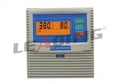
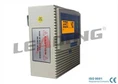
A Dual Pump Control Panel is a popular choice for pool circulation systems. It provides a centralized control point for two pumps, allowing for easy monitoring and adjustment of the system parameters. This type of controller often comes with features such as automatic pump alternation, overload protection, and manual override options.
2. Three Phase Duplex Pump Controller for Drainage Pump
For larger commercial pools, a Three Phase Duplex Pump Controller for Drainage Pump may be more appropriate. These controllers are designed to handle higher power requirements and can provide a more stable and reliable operation. They are also suitable for pools with complex circulation systems that require precise control of the pump speed and flow rate.
3. Duplex Single Phase Pump Control with Panel DOL Start
For smaller residential pools, a Duplex Single Phase Pump Control with Panel DOL Start can be a cost - effective solution. This type of controller is easy to install and operate, and it can still provide the benefits of duplex pump operation, such as redundancy and energy efficiency.
Considerations when Using a Duplex Pump Controller in a Pool Circulation System
1. Compatibility
It's important to ensure that the duplex pump controller is compatible with the pumps and other components in the pool circulation system. This includes checking the voltage, current, and power ratings of the pumps, as well as the communication protocols used by the controller and the sensors.
2. Installation and Maintenance
Proper installation and regular maintenance are crucial for the optimal performance of a duplex pump controller. The controller should be installed in a dry, well - ventilated area, away from direct sunlight and water. Regular inspections should be carried out to check for any signs of wear or damage, and the sensors and controls should be calibrated periodically to ensure accurate operation.
3. Cost
While a duplex pump controller can provide many benefits, it also adds to the initial cost of the pool circulation system. However, it's important to consider the long - term savings in energy costs and maintenance expenses. In many cases, the investment in a duplex pump controller can pay for itself over time.
Conclusion
In conclusion, a duplex pump controller can be a valuable addition to a pool circulation system. It offers numerous advantages, including energy efficiency, extended pump lifespan, and improved water quality. With the right type of controller and proper installation and maintenance, it can provide reliable and cost - effective operation for both residential and commercial pools.
If you're interested in learning more about our duplex pump controllers and how they can be integrated into your pool circulation system, or if you have any questions regarding product selection, installation, or maintenance, please don't hesitate to reach out. We're here to help you make the best decision for your pool.
References
- ASPE (American Society of Plumbing Engineers). "Pool and Spa Hydraulic Design Standards."
- Hayward Industries. "Guide to Pool Circulation Systems."
- Pentair Aquatic Systems. "Technical Manual for Pool Pumps and Controllers."