




Can an Intelligent Pump Controller be used in a sewage pumping system?
In the realm of sewage pumping systems, the efficiency, reliability, and safety of operations are of utmost importance. With the advancement of technology, intelligent pump controllers have emerged as a promising solution. As a supplier of intelligent pump controllers, I am often asked whether these devices can be effectively used in sewage pumping systems. In this blog, I will explore this question in detail and shed light on the benefits and considerations of using intelligent pump controllers in sewage applications.
Understanding Sewage Pumping Systems
Sewage pumping systems are designed to transport wastewater from lower to higher elevations or to treatment facilities. These systems typically consist of pumps, pipes, valves, and control equipment. The pumps are responsible for lifting the sewage, while the control equipment ensures that the pumps operate at the right time and under the appropriate conditions.
Sewage pumping systems face several challenges, including the presence of solids, corrosive substances, and variable flow rates. These factors can cause wear and tear on the pumps and other components, leading to reduced efficiency and increased maintenance costs. Additionally, improper operation of the pumps can result in overflows, backups, and environmental hazards.
What is an Intelligent Pump Controller?
An intelligent pump controller is a device that uses advanced algorithms and sensors to monitor and control the operation of pumps. These controllers can adjust the pump speed, start and stop the pumps based on various parameters such as液位 (liquid level), pressure, and flow rate, and provide real-time feedback on the pump's performance.


Intelligent pump controllers offer several advantages over traditional pump control methods. They can optimize the pump's operation, reduce energy consumption, and extend the pump's lifespan. They can also provide early warning of potential problems, allowing for timely maintenance and repairs.
Benefits of Using an Intelligent Pump Controller in a Sewage Pumping System
- Energy Efficiency: One of the primary benefits of using an intelligent pump controller in a sewage pumping system is energy efficiency. These controllers can adjust the pump speed based on the actual demand, reducing energy consumption and lowering operating costs. For example, during periods of low flow, the controller can slow down the pump, saving energy without compromising the system's performance.
- Improved Pump Lifespan: Intelligent pump controllers can also help extend the lifespan of the pumps. By monitoring the pump's performance and adjusting the operation parameters, these controllers can prevent overloading and reduce wear and tear on the pumps. This can result in fewer breakdowns and lower maintenance costs over the long term.
- Enhanced System Reliability: Sewage pumping systems require high levels of reliability to prevent overflows and backups. Intelligent pump controllers can provide real-time monitoring and control, ensuring that the pumps operate within the specified parameters. They can also detect and respond to potential problems, such as blockages or pump failures, before they cause significant damage.
- Remote Monitoring and Control: Many intelligent pump controllers offer remote monitoring and control capabilities, allowing operators to monitor the system's performance and make adjustments from a central location. This can improve operational efficiency and reduce the need for on-site visits. For example, if a problem is detected, the operator can remotely adjust the pump settings or initiate maintenance procedures.
- Compliance with Regulations: Sewage pumping systems are subject to various regulations and standards. Intelligent pump controllers can help ensure compliance by providing accurate data on the pump's operation and performance. This can be useful for reporting purposes and for demonstrating compliance with environmental and safety regulations.
Considerations When Using an Intelligent Pump Controller in a Sewage Pumping System
- Compatibility: When selecting an intelligent pump controller for a sewage pumping system, it is important to ensure that the controller is compatible with the pumps and other components of the system. The controller should be able to communicate with the pumps and sensors and provide accurate control signals.
- Environmental Conditions: Sewage pumping systems are often exposed to harsh environmental conditions, including high humidity, corrosive substances, and extreme temperatures. The intelligent pump controller should be designed to withstand these conditions and provide reliable operation.
- Maintenance and Support: Like any other equipment, intelligent pump controllers require regular maintenance and support. It is important to choose a controller that is easy to maintain and comes with reliable technical support. The supplier should also provide training and documentation to ensure that the operators can use the controller effectively.
- Cost: While intelligent pump controllers offer many benefits, they can also be more expensive than traditional pump control methods. It is important to consider the cost-benefit ratio when making a decision. In many cases, the long-term savings in energy consumption and maintenance costs can offset the initial investment.
Types of Intelligent Pump Controllers for Sewage Pumping Systems
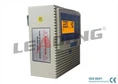
- Submersible Water Pump Control Box: This type of controller is specifically designed for submersible pumps used in sewage pumping systems. It can provide reliable control and protection for the pumps, ensuring safe and efficient operation.
- Direct Online Start Type Intelligent Pump Controller: This controller is suitable for pumps that require direct online starting. It can monitor the pump's performance and adjust the operation parameters to optimize energy consumption and prevent overloading.
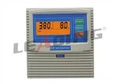
- Pump Controller with Wide LCD Display Running Information: This controller features a wide LCD display that provides real-time information on the pump's operation, such as speed, pressure, and flow rate. It can also store historical data for analysis and reporting.
Conclusion
In conclusion, an intelligent pump controller can be a valuable addition to a sewage pumping system. It can offer significant benefits in terms of energy efficiency, pump lifespan, system reliability, and compliance with regulations. However, it is important to consider the compatibility, environmental conditions, maintenance, and cost when selecting an intelligent pump controller.
As a supplier of intelligent pump controllers, we are committed to providing high-quality products and excellent customer service. If you are interested in learning more about our intelligent pump controllers or have any questions about using them in your sewage pumping system, please feel free to contact us. We would be happy to discuss your specific needs and provide you with a customized solution.
References
- "Sewage Pumping Systems: Design, Operation, and Maintenance" by John Smith
- "Intelligent Pump Control Technology: Principles and Applications" by Jane Doe
- Industry reports and whitepapers on sewage pumping systems and intelligent pump controllers