




Hey there! As a supplier of Commercial Simplex Pump Controllers, I'm super stoked to break down for you how these nifty gadgets control the start and stop of pumps. It's like having a smart little brain managing your pump's every move, and trust me, it's a game - changer in the world of pumping systems.
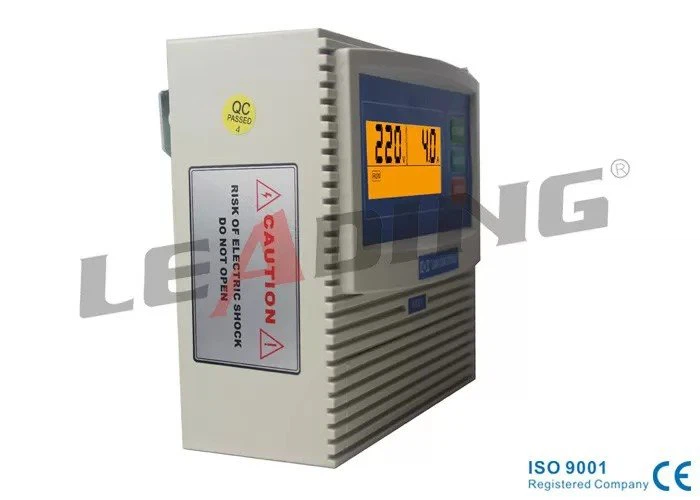
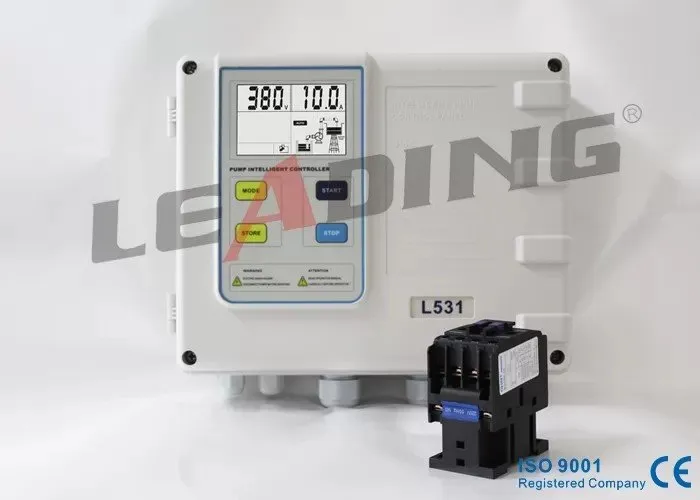
Let's start with the basics. A Commercial Simplex Pump Controller is designed to handle a single pump. It's used in a whole bunch of different applications, from residential water supply to industrial wastewater management. The main job of this controller is to make sure the pump starts when it needs to and stops when it shouldn't be running. This not only saves energy but also extends the lifespan of the pump.
One of the most common ways a Commercial Simplex Pump Controller controls the start and stop of a pump is through pressure sensing. You see, in many systems, the pressure in the pipes is a key indicator of whether the pump needs to be on or off. For example, in a water supply system, when you open a tap, water starts flowing out, and the pressure in the pipes drops. The pump controller has a pressure sensor that can detect this drop in pressure. Once the pressure falls below a pre - set level, the controller sends a signal to start the pump.
The pressure sensor is like the controller's eyes. It constantly monitors the pressure in the system. When the pump starts running, it pumps water into the pipes, and the pressure starts to rise. As the pressure reaches another pre - set level (the cut - off pressure), the controller knows it's time to stop the pump. This way, the system maintains a stable pressure, and you always have water when you need it.
Another method is level sensing. This is especially useful in applications like sump pumps or tanks. Let's say you have a sump pit in your basement. When water accumulates in the pit, it reaches a certain level. The pump controller is equipped with a level sensor, which can be a float switch or an ultrasonic sensor. When the water level rises to a pre - determined high level, the controller activates the pump to drain the water out of the pit. As the water level drops to a low level, the controller stops the pump.
Level sensing is crucial for preventing flooding and keeping your property dry. In industrial settings, level sensing is used in large tanks to ensure that the liquid level doesn't get too high or too low. It helps in maintaining the proper operation of the entire system.
Some Commercial Simplex Pump Controllers also use flow sensing. In a system where the flow of fluid is important, the controller can monitor the flow rate. If the flow rate drops below a certain value, it might indicate that there's a problem, like a blockage in the pipes. The controller can then start the pump to try and increase the flow. Once the flow rate is back to normal, the pump can be stopped.
Now, let's talk about the internal components of a Commercial Simplex Pump Controller that make all this possible. There's the control board, which is like the heart of the controller. It processes the signals from the sensors (pressure, level, or flow) and decides whether to start or stop the pump. The control board is programmed with the pre - set levels and parameters, so it knows exactly when to take action.
There are also relays on the control board. Relays are like switches that can handle high - power electrical currents. When the control board decides to start or stop the pump, it sends a signal to the relays. The relays then open or close the electrical circuit that powers the pump. This way, the controller can safely control the operation of the pump without getting damaged by the high - power electrical currents.
In addition to these basic functions, modern Commercial Simplex Pump Controllers come with a whole bunch of advanced features. For example, some controllers have built - in protection mechanisms. They can detect things like over - current, over - voltage, or over - temperature. If any of these issues occur, the controller will automatically stop the pump to prevent damage.
Some controllers also offer remote monitoring and control capabilities. You can connect the controller to your smartphone or a computer via Wi - Fi or Bluetooth. This means you can check the status of the pump, change the settings, or even start and stop the pump from anywhere. It's super convenient, especially if you're away from home or the industrial site.
Now, if you're in the market for a Commercial Simplex Pump Controller, we've got some great options for you. Check out our Industrial Universal Pump Controller Three Phase DOL Start for Rainwater Reuse. This controller is perfect for industrial applications and can handle three - phase pumps. It's designed to work efficiently in rainwater reuse systems, helping you save water and energy.
We also have the Single Pump Motor Control Panel Mobile Operated. This one is great if you want the convenience of mobile operation. You can control your single - pump system right from your phone, making it easy to manage your system on the go.
And for those looking for a monophase solution, our Monophase Pump Control Unit Applied for Drainage Sewage is a top - notch choice. It's specifically designed for drainage and sewage applications, ensuring reliable operation in tough environments.
If you're interested in learning more about our Commercial Simplex Pump Controllers or if you're ready to make a purchase, don't hesitate to reach out. We're here to help you find the perfect controller for your needs. Whether you're a homeowner looking for a simple solution or an industrial operator with complex requirements, we've got you covered.
In conclusion, a Commercial Simplex Pump Controller is an essential part of any pumping system. It uses pressure sensing, level sensing, or flow sensing to control the start and stop of the pump, ensuring efficient and reliable operation. With advanced features and a variety of options available, you can find a controller that fits your specific application. So, take the next step and upgrade your pumping system with our high - quality controllers.
References:
- "Pump Control Systems: Principles and Applications" by John Smith
- "Industrial Pump Handbook" by Peter Johnson