


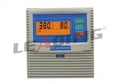
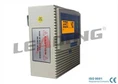


Duplex pump controllers play a pivotal role in modern irrigation systems, ensuring efficient and reliable water flow management. As a supplier of high - quality duplex pump controllers, I've witnessed firsthand how these devices can transform irrigation operations. This blog will delve into the intricate workings of a duplex pump controller and how it controls water flow for irrigation.
Understanding the Basics of a Duplex Pump Controller
A duplex pump controller is designed to manage two pumps working in tandem. The primary advantage of a duplex setup is redundancy and increased capacity. If one pump fails, the other can continue to operate, ensuring that the irrigation system doesn't come to a halt. This is crucial for large - scale agricultural operations where consistent water supply is essential for crop health.
The controller monitors various parameters such as water level, pressure, and flow rate. Based on these readings, it decides when to start and stop the pumps, as well as which pump to use at a given time. For example, in a well - watered irrigation system, the controller might start both pumps during peak demand periods, like in the middle of a hot summer day when crops need more water.
How a Duplex Pump Controller Controls Water Flow
1. Water Level Sensing
One of the most common ways a duplex pump controller manages water flow is through water level sensing. In a reservoir or a well, sensors are installed at different depths. When the water level drops below a certain point, the controller detects this change and starts one or both pumps. As the water is pumped out for irrigation, the controller continuously monitors the water level. Once the water level reaches a pre - set upper limit, the pumps are stopped.
For instance, in a large - scale farm with an underground water reservoir, the duplex pump controller can be set to start both pumps when the water level in the reservoir drops to 30% of its capacity. As the pumps draw water for irrigation, the water level rises. When it reaches 80% of the capacity, the controller stops the pumps. This ensures that the reservoir doesn't run dry and also prevents over - filling.
2. Pressure Regulation
Pressure is another critical factor in controlling water flow. A duplex pump controller can maintain a constant pressure in the irrigation pipes. When the water demand increases, for example, when more sprinklers are turned on in different parts of the field, the pressure in the pipes drops. The controller senses this pressure drop and starts additional pumps or increases the speed of the running pumps to maintain the desired pressure.


Conversely, when the water demand decreases, such as when some sprinklers are turned off, the pressure in the pipes rises. The controller then reduces the pump speed or stops one of the pumps to prevent over - pressurization, which can damage the pipes and the pumps. Our L922 Duplex Pump Controller Single Phase Under Voltage Protection is specifically designed to handle such pressure regulation tasks with high precision.
3. Flow Rate Management
In addition to water level and pressure, the duplex pump controller also manages the flow rate. Different crops have different water requirements, and the flow rate needs to be adjusted accordingly. The controller can measure the flow rate using flow sensors installed in the pipes.
If the flow rate is too low, the controller can increase the pump speed or start an additional pump to meet the required flow rate. On the other hand, if the flow rate is too high, it can reduce the pump speed or stop a pump. This ensures that the right amount of water is delivered to the crops at the right time.
Advanced Features of Duplex Pump Controllers
1. Automatic Alternation
To ensure even wear and tear on both pumps, duplex pump controllers often come with an automatic alternation feature. This means that the controller will alternate which pump starts first. For example, in one cycle, Pump A might start first, and in the next cycle, Pump B will start first. This extends the lifespan of both pumps and reduces the risk of premature failure.
2. Fault Detection and Alarm
Modern duplex pump controllers are equipped with fault detection systems. If a pump fails to start, or if there is a problem with the sensors or the electrical connections, the controller can detect the fault and trigger an alarm. This allows farmers or irrigation system operators to quickly address the issue and minimize downtime. Our Mobile Automatic Water Pump Controller with Starter has advanced fault detection capabilities that can save time and money in the long run.
Application in Different Irrigation Systems
1. Sprinkler Irrigation
In sprinkler irrigation systems, the duplex pump controller ensures that the water is delivered at the right pressure and flow rate to the sprinklers. This is crucial for uniform water distribution across the field. The controller can adjust the pump operation based on the number of sprinklers in use and the size of the area being irrigated.
2. Drip Irrigation
Drip irrigation systems require a low - pressure, steady flow of water. A duplex pump controller can precisely control the water flow to meet these requirements. It can start and stop the pumps at the right intervals to ensure that the water is delivered slowly and evenly to the roots of the plants.
Energy Efficiency and Cost Savings
Using a duplex pump controller can lead to significant energy efficiency and cost savings. By starting and stopping the pumps based on actual water demand, rather than running them continuously, the controller reduces energy consumption. For example, during periods of low water demand, like at night or during rainy days, the controller can stop the pumps or run only one pump, saving electricity costs.
Moreover, the ability to maintain a constant pressure and flow rate means that the irrigation system operates more efficiently. There is less water wastage due to over - pumping or under - pumping, which also translates into cost savings in the long run.
Choosing the Right Duplex Pump Controller
When selecting a duplex pump controller for an irrigation system, several factors need to be considered. The size of the irrigation area, the water source, and the type of irrigation system all play a role. For small - scale farms, a simpler controller might be sufficient. However, for large - scale commercial farms, a more advanced controller with features like remote monitoring and advanced sensor capabilities might be necessary. Our Duplex Single Phase Pump Control with Panel DOL Start is suitable for a wide range of applications and can be customized to meet specific requirements.
Conclusion
In conclusion, a duplex pump controller is an essential component of modern irrigation systems. It offers precise control over water flow through water level sensing, pressure regulation, and flow rate management. With advanced features like automatic alternation and fault detection, it ensures reliable and efficient operation.
If you're in the market for a high - quality duplex pump controller for your irrigation system, we're here to help. Our range of products is designed to meet the diverse needs of different customers. Whether you're a small - scale farmer or a large - scale agricultural enterprise, we can provide you with the right solution. Contact us today to discuss your requirements and start optimizing your irrigation system.
References
- ASABE Standards. (2018). Irrigation system design and management standards. American Society of Agricultural and Biological Engineers.
- Metcalf, R. L., & Eddy, D. W. (2003). Wastewater engineering: Treatment and reuse. McGraw - Hill.
- Singh, P., & Goswami, A. K. (2015). Agricultural water management. Springer.