


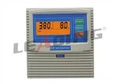
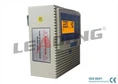


Hey there! As a supplier of Precise Single Phase Pump Control Panel Units, I'm super excited to share with you how these nifty devices control the pump speed. It's not as complicated as it might seem at first glance, and once you get the hang of it, you'll see why these control panels are a game - changer in the world of pumps.
Let's start with the basics. A Precise Single Phase Pump Control Panel Unit is like the brain of a single - phase pump. It's responsible for making sure the pump runs smoothly, efficiently, and at the right speed for the job at hand. Whether you're using the pump for water supply, irrigation, or any other application, having the right speed control is crucial.
One of the key ways these control panels regulate pump speed is through voltage control. You see, the speed of a single - phase pump is directly related to the voltage it receives. By adjusting the voltage supplied to the pump, the control panel can increase or decrease the pump's speed. For example, if you need the pump to work faster to move more water in a shorter time, the control panel can boost the voltage. On the other hand, if you want to slow it down to conserve energy or prevent over - pumping, it can reduce the voltage.
Our M521 Single Phase Water Pump Control Panel is a great example of a control panel that uses voltage control effectively. It has built - in sensors and algorithms that constantly monitor the pump's performance and adjust the voltage accordingly. This not only ensures optimal speed control but also helps in extending the lifespan of the pump by preventing it from running at excessive speeds.
Another important method of speed control is frequency control. In a single - phase electrical system, the frequency of the power supply can also affect the pump speed. Some of our advanced control panels, like the Single Phase Control Panel Intelligent Control and Protect Universal Pump, are capable of adjusting the frequency of the power sent to the pump. By changing the frequency, the control panel can fine - tune the pump's speed to match the specific requirements of the application.
Let's say you're using the pump for a small - scale irrigation system. You might not need the pump to run at full speed all the time. With frequency control, the control panel can reduce the frequency during periods of low water demand, which in turn slows down the pump and saves energy. When the demand increases, it can ramp up the frequency to increase the pump speed.


In addition to voltage and frequency control, many Precise Single Phase Pump Control Panel Units also use pressure sensors to regulate pump speed. Pressure sensors are like the eyes and ears of the control panel. They constantly measure the pressure in the system and send this information back to the control panel. Based on the pressure readings, the control panel can decide whether to increase or decrease the pump speed.
For instance, if the pressure in the water supply system drops below a certain level, it could mean that more water is needed. The control panel will then increase the pump speed to boost the pressure. Conversely, if the pressure is too high, the control panel will slow down the pump to prevent damage to the pipes and other components in the system. Our Single Phase Pump Control Panel Contorl and Protect Universal Pump with IP54 is equipped with high - quality pressure sensors that provide accurate and reliable pressure readings, allowing for precise speed control.
Now, you might be wondering about the benefits of having such precise speed control. Well, there are plenty! First of all, it improves energy efficiency. By running the pump at the exact speed needed for the job, you can avoid wasting energy. This not only saves you money on your electricity bills but also makes your operation more environmentally friendly.
Secondly, precise speed control enhances the performance and reliability of the pump. When the pump runs at the right speed, it experiences less wear and tear, which means fewer breakdowns and longer maintenance intervals. This can save you a lot of time and money in the long run.
Lastly, it gives you more flexibility in your applications. You can easily adjust the pump speed to meet the changing demands of your system, whether it's a sudden increase in water demand or a need to operate the pump at a lower capacity for a specific task.
If you're in the market for a Precise Single Phase Pump Control Panel Unit, we've got you covered. Our control panels are designed with the latest technology and high - quality components to ensure reliable and precise speed control. Whether you need a simple control panel for a small - scale application or a more advanced one for a large - scale project, we have the right product for you.
We understand that every customer has unique requirements, and we're committed to providing you with the best solutions. So, if you're interested in learning more about our products or have any questions about how our control panels can work for your specific needs, don't hesitate to reach out. We'd love to have a chat with you and discuss your options.
In conclusion, a Precise Single Phase Pump Control Panel Unit is an essential component for any single - phase pump system. It offers multiple ways to control the pump speed, including voltage control, frequency control, and pressure - based control. These methods not only improve energy efficiency and pump performance but also give you more flexibility in your applications. So, if you're looking to upgrade your pump system or start a new project, consider investing in one of our high - quality control panels.
References
- Electrical Engineering textbooks on single - phase motor control
- Manufacturer's documentation for single - phase pump control panels