




How does a remote pump control system operate?
As a supplier specializing in pump control solutions, I've witnessed firsthand the transformative power of remote pump control systems in various industries. These systems offer unparalleled convenience, efficiency, and reliability, allowing users to monitor and manage pumps from anywhere in the world. In this blog post, I'll delve into the inner workings of remote pump control systems, exploring how they operate and the benefits they bring.
Understanding the Basics of Remote Pump Control
At its core, a remote pump control system consists of three main components: the pump, the control unit, and the communication network. The pump is the heart of the system, responsible for moving fluids from one place to another. The control unit, also known as the controller, is the brain of the system, regulating the pump's operation based on pre-set parameters. The communication network serves as the bridge between the control unit and the user, enabling remote monitoring and control.
How the Control Unit Works
The control unit is a sophisticated device that uses sensors and algorithms to monitor the pump's performance and make real-time adjustments. It continuously measures variables such as pressure, flow rate, temperature, and power consumption, comparing them to the desired setpoints. If any of these variables deviate from the setpoints, the control unit takes corrective action, such as adjusting the pump's speed or shutting it down to prevent damage.
One of the key features of modern control units is their ability to communicate with other devices and systems. They can be integrated with SCADA (Supervisory Control and Data Acquisition) systems, PLCs (Programmable Logic Controllers), and other industrial automation equipment, allowing for centralized monitoring and control of multiple pumps. This integration also enables the control unit to receive commands from remote locations, giving users the flexibility to manage pumps from anywhere with an internet connection.
The Role of the Communication Network
The communication network is what makes remote pump control possible. It allows the control unit to send and receive data to and from the user, enabling real-time monitoring and control. There are several types of communication networks that can be used in remote pump control systems, including cellular networks, Wi-Fi, Ethernet, and satellite communication.
Cellular networks are a popular choice for remote pump control systems, especially in areas where wired connections are not available. They offer wide coverage and reliable connectivity, allowing users to monitor and control pumps from anywhere with a cellular signal. Wi-Fi is another option, which is ideal for applications where the pump is located within a building or a small area. Ethernet is commonly used in industrial settings, providing high-speed and secure communication between the control unit and other devices. Satellite communication is typically used in remote or offshore locations, where other communication options are limited.


Benefits of Remote Pump Control Systems
Remote pump control systems offer a wide range of benefits for users in various industries. Here are some of the key advantages:
- Increased Efficiency: By allowing users to monitor and control pumps remotely, these systems can help optimize pump performance and reduce energy consumption. Users can adjust pump speed, flow rate, and other parameters in real-time, ensuring that the pump is operating at its most efficient level.
- Improved Reliability: Remote pump control systems provide continuous monitoring of pump performance, allowing users to detect and address issues before they become major problems. This can help prevent costly downtime and repairs, ensuring that the pump operates reliably and consistently.
- Enhanced Safety: These systems can help improve safety by allowing users to monitor pumps from a safe distance. They can detect potential hazards, such as leaks or overheating, and take corrective action before they pose a risk to personnel or the environment.
- Cost Savings: By reducing energy consumption, preventing downtime, and extending the lifespan of pumps, remote pump control systems can help users save money in the long run. They also eliminate the need for on-site personnel to monitor and control pumps, reducing labor costs.
Applications of Remote Pump Control Systems
Remote pump control systems are used in a wide range of applications, including:
- Water and Wastewater Treatment: These systems are used to monitor and control pumps in water treatment plants, wastewater treatment facilities, and distribution networks. They help ensure the efficient and reliable operation of pumps, maintaining water quality and preventing contamination.
- Oil and Gas: Remote pump control systems are used in oil and gas production, transportation, and refining. They help optimize pump performance, reduce energy consumption, and prevent equipment damage in harsh and remote environments.
- Agriculture: These systems are used to control irrigation pumps in agricultural fields. They allow farmers to monitor and adjust water flow, ensuring that crops receive the right amount of water at the right time.
- Industrial Manufacturing: Remote pump control systems are used in various industrial manufacturing processes, such as chemical processing, food and beverage production, and pharmaceutical manufacturing. They help ensure the efficient and reliable operation of pumps, maintaining product quality and consistency.
Our Pump Control Solutions
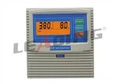
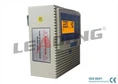
As a leading supplier of pump control solutions, we offer a wide range of products and services to meet the needs of our customers. Our 3 Phase Well Pump Control Box is a reliable and cost-effective solution for controlling 3-phase well pumps. It features advanced control algorithms, built-in protection functions, and easy-to-use interfaces, making it ideal for both residential and commercial applications.
Our 3 Phase Submersible Pump Control Panel Automatic Water Pump Motor Controller is another popular product. It is designed to control 3-phase submersible pumps, providing automatic operation, overload protection, and fault diagnosis. It is suitable for use in water supply systems, irrigation systems, and other applications where reliable pump control is required.
In addition to our products, we also offer customized solutions to meet the specific needs of our customers. Our team of experienced engineers can work with you to design and develop a remote pump control system that is tailored to your requirements. We also provide installation, commissioning, and maintenance services to ensure that your system operates smoothly and efficiently.
Contact Us for Purchasing and Consultation
If you're interested in learning more about our pump control solutions or have any questions about remote pump control systems, please don't hesitate to contact us. Our sales team is ready to assist you with purchasing inquiries and provide you with detailed product information. We look forward to working with you to find the best pump control solution for your needs.
References
- "Pump Handbook" by Igor J. Karassik et al.
- "Industrial Automation and Control Systems" by Thomas H. Lee.
- "Remote Monitoring and Control of Industrial Processes" by John R. Smith.