


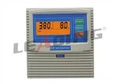
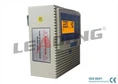


As a reputable supplier of White Three Phase Pump Control Panels, I've witnessed firsthand the critical role these panels play in various industrial and commercial applications. One of the most important features of these control panels is the overload protection mechanism, which safeguards the pump and the entire system from potential damage caused by excessive current. In this blog post, I'll delve into the inner workings of overload protection in a white three - phase pump control panel, explaining how it operates and why it's essential for the longevity and efficiency of your pumping system.
Understanding Overload in a Three - Phase Pump System
Before we discuss how overload protection works, it's crucial to understand what overload means in the context of a three - phase pump system. In a three - phase electrical system, each phase carries a specific amount of current. When the current flowing through one or more phases exceeds the rated capacity of the pump or the control panel components, an overload condition occurs. This can be caused by several factors, such as a blocked pump impeller, a mechanical failure in the pump, or an electrical short - circuit.
Overload situations can lead to overheating of the motor windings, insulation damage, and ultimately, motor failure. Additionally, excessive current can cause damage to other components in the control panel, such as contactors, relays, and fuses. Therefore, having an effective overload protection system is vital to prevent these costly and potentially dangerous problems.
Components of Overload Protection in a White Three - Phase Pump Control Panel
The overload protection in a white three - phase pump control panel typically consists of several key components:
Overload Relays
Overload relays are the heart of the overload protection system. These devices are designed to sense the current flowing through the pump motor and trip the circuit when the current exceeds a pre - set threshold. There are two main types of overload relays: thermal and electronic.
Thermal overload relays work based on the principle of thermal expansion. They contain a bimetallic strip that bends when heated by the current flowing through it. When the current exceeds the rated value, the bimetallic strip bends enough to open a set of contacts, which in turn disconnects the power supply to the pump motor.
Electronic overload relays, on the other hand, use electronic sensors to measure the current. They offer more precise and adjustable protection compared to thermal overload relays. Electronic overload relays can be programmed to trip at different current levels and time delays, allowing for more customized protection based on the specific requirements of the pump system.
Circuit Breakers
Circuit breakers are another important component of the overload protection system. They act as a backup protection device in case the overload relay fails to trip. Circuit breakers are designed to automatically interrupt the circuit when the current exceeds a certain level. Unlike fuses, which need to be replaced after they blow, circuit breakers can be reset after they trip, making them more convenient and cost - effective in the long run.
Fuses
Fuses are also used in some pump control panels for additional protection. A fuse is a simple device that contains a thin wire that melts when the current exceeds a certain value. When the wire melts, it breaks the circuit, preventing further current flow. Fuses are often used in combination with overload relays and circuit breakers to provide multiple levels of protection.
How Overload Protection Works in Practice
Let's walk through the process of how overload protection works in a white three - phase pump control panel:
Normal Operation
During normal operation, the current flowing through the pump motor is within the rated capacity of the motor and the control panel components. The overload relays monitor the current continuously, but since the current is within the acceptable range, they do not trip. The circuit breakers remain closed, allowing the power to flow to the pump motor, and the fuses remain intact.
Overload Detection
When an overload condition occurs, the current flowing through the motor increases. The overload relays sense this increase in current and start to react. If the overload is mild and temporary, the thermal overload relay may not trip immediately. Instead, the bimetallic strip will start to heat up and bend slowly. Electronic overload relays, on the other hand, will detect the increase in current more quickly and precisely.
Tripping the Circuit
Once the current exceeds the pre - set threshold for a certain period of time, the overload relay will trip. When the overload relay trips, it opens a set of contacts that are connected to the control circuit of the contactor. The contactor, which is responsible for switching the power to the pump motor, then opens its main contacts, disconnecting the power supply to the motor.
If the overload relay fails to trip for some reason, the circuit breaker will act as a backup. When the current exceeds the rated capacity of the circuit breaker, it will automatically trip, interrupting the circuit and protecting the pump motor and the control panel components.
Resetting the System
After the overload condition has been resolved, the system needs to be reset. For thermal overload relays, the bimetallic strip needs to cool down before it can be reset. This may take a few minutes to an hour, depending on the severity of the overload. Electronic overload relays can usually be reset more quickly, either manually or automatically, depending on their settings.
Once the overload relay and the circuit breaker have been reset, the system can be restarted, and the pump can resume normal operation.
Importance of Overload Protection
Overload protection is not just a safety feature; it's also essential for the efficient and reliable operation of your pumping system. Here are some of the key benefits of having effective overload protection in a white three - phase pump control panel:
Equipment Protection
The primary function of overload protection is to protect the pump motor and other components in the control panel from damage caused by excessive current. By preventing overheating and insulation damage, overload protection can extend the lifespan of your equipment and reduce the need for costly repairs and replacements.
Safety
Overload situations can pose a significant safety risk, such as electrical fires and shocks. By quickly disconnecting the power supply in case of an overload, overload protection helps to prevent these dangerous situations and ensures the safety of your personnel and property.
Energy Efficiency
Overloaded motors consume more energy than properly loaded motors. By preventing overload conditions, overload protection can help to improve the energy efficiency of your pumping system, reducing your energy costs and environmental impact.
Our White Three - Phase Pump Control Panels
At our company, we offer a wide range of white three - phase pump control panels with advanced overload protection features. Our control panels are designed to meet the highest standards of quality and reliability, and they are suitable for various applications, including industrial pumping, irrigation, and water treatment.
If you're looking for a reliable and efficient pump control panel, we recommend checking out our Dual Pump Pressure Booster Irrigation Pump Controller Panel for Farms. This panel is specifically designed for agricultural applications and offers dual - pump control with pressure boosting capabilities.
For those who need a more versatile control panel, our Auto Manual Three Phase Pump Control Panel Simplex Pump Controller is a great choice. It allows for both automatic and manual operation, giving you more flexibility in controlling your pump system.
We also have a Black Three Phase Pump Control Panel RS485 Port, which is equipped with an RS485 port for remote monitoring and control. This panel is ideal for applications where remote access and control are required.
Contact Us for Procurement
If you're interested in our white three - phase pump control panels or have any questions about overload protection or other features, we encourage you to contact us for procurement discussions. Our team of experts is ready to assist you in selecting the right control panel for your specific needs and providing you with all the information you need to make an informed decision.

References
- Electrical Engineering Handbook, Third Edition, edited by Richard C. Dorf
- Pump Handbook, Fourth Edition, edited by Igor J. Karassik et al.
- National Electrical Code (NEC)