


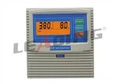
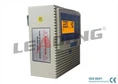


Hey there! As a supplier of Precise Single Phase Pump Control Panel Units, I often get asked about how to calibrate these nifty devices. So, I thought I'd put together this blog post to walk you through the process step by step.
First off, let's talk about why calibration is so important. A well - calibrated control panel unit ensures that your single - phase pump runs efficiently, extends its lifespan, and prevents costly breakdowns. It's like tuning up your car; it just runs better when everything is in sync.
Tools You'll Need
Before we start the calibration process, you'll need a few tools. You'll need a multimeter to measure electrical values like voltage and current. A screwdriver set is also essential for making any adjustments to the panel. And don't forget a notebook and pen to jot down your readings and settings.
Safety First
Safety should always be your top priority when working with electrical equipment. Make sure to turn off the power supply to the pump control panel unit before you start any calibration. Use insulated tools to avoid the risk of electric shock. And if you're not comfortable doing it yourself, it's always a good idea to call in a professional.
Step 1: Initial Inspection
The first thing you want to do is give the control panel unit a good look - over. Check for any visible signs of damage, like loose wires, burnt components, or cracked casings. If you notice anything suspicious, it's best to replace the damaged parts before proceeding with the calibration.
Step 2: Set the Voltage
Using your multimeter, measure the voltage at the input of the control panel. The voltage should match the specifications of your single - phase pump. If it doesn't, you'll need to adjust the voltage settings on the control panel. Most control panels have a voltage adjustment knob or switch. Turn it slowly until the multimeter reads the correct voltage.
Step 3: Current Calibration
Next, we'll move on to current calibration. The current rating of your pump is crucial for its proper operation. Use the multimeter to measure the current flowing through the pump. Compare this reading with the pump's rated current. If the measured current is too high or too low, you'll need to adjust the current settings on the control panel. Some control panels have a current adjustment potentiometer. Turn it carefully to achieve the correct current reading.
Step 4: Pressure Switch Calibration
Many single - phase pump control panels are equipped with a pressure switch. This switch is responsible for turning the pump on and off based on the pressure in the system. To calibrate the pressure switch, you'll need to connect a pressure gauge to the system. Start the pump and let it build up pressure. Note the pressure at which the pump turns off. Then, let the pressure drop and note the pressure at which the pump turns on again. Adjust the pressure switch settings until these on and off pressures match the requirements of your system.


Step 5: Overload Protection Calibration
Overload protection is a vital feature of a single - phase pump control panel unit. It prevents the pump from overheating and getting damaged. Most control panels have an overload protection relay. To calibrate it, you'll need to set the trip current. This is the current at which the relay will trip and cut off the power to the pump. Refer to the pump's specifications to determine the appropriate trip current. Then, adjust the overload protection relay accordingly.
Step 6: Testing
Once you've completed all the calibration steps, it's time to test the control panel unit. Turn on the power supply and start the pump. Monitor the pump's operation closely. Check the voltage, current, and pressure readings to make sure they're within the acceptable range. Listen for any unusual noises or vibrations. If everything seems to be working fine, you've successfully calibrated your Precise Single Phase Pump Control Panel Unit.
Our Product Range
As a supplier, we offer a wide range of single - phase pump control panel units. For example, we have the Over Load Protection Single Phase Pump Control Panel for Irrigations of Greenhouses. This panel is specifically designed for greenhouse irrigation systems and provides reliable overload protection.
We also have the Pump Factory Single Phase Pump Control Panel with Pump Stalled Protection. This panel is ideal for pump factories and features advanced pump stalled protection technology.
And if you're looking for a control panel with a modern display, check out our Single Phase Pump Control Panel LCD Display Running Status. It allows you to easily monitor the running status of your pump.
Contact Us for Purchase
If you're interested in purchasing our Precise Single Phase Pump Control Panel Units or need further assistance with calibration, don't hesitate to get in touch. We're here to help you find the right solution for your pumping needs. Whether you're a small - scale farmer or a large - scale industrial user, we've got the products and expertise to support you.
References
- Electrical Installation Handbook, Schneider Electric
- Pump Handbook, Karassik et al.