


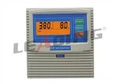
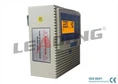


Hey there! As a supplier of single sewage pump controllers, I often get asked about how to check the performance of these nifty devices. Well, you're in luck because I'm gonna break it down for you in this blog post.
First things first, let's talk about why it's so important to check the performance of a single sewage pump controller. These controllers are the brains behind the operation of sewage pumps. They ensure that the pump starts and stops at the right times, protects the pump from overloading, and can even provide valuable feedback on the pump's status. If the controller isn't working properly, it can lead to all sorts of problems, from pump failures to costly repairs.
Visual Inspection
The first step in checking the performance of a single sewage pump controller is a good old - fashioned visual inspection. Start by looking at the controller's housing. Make sure there are no signs of physical damage, like cracks or dents. Water damage can be a big issue, especially in sewage applications, so check for any signs of moisture inside the housing. If you see any water, it could mean there's a leak somewhere, and you'll need to address that right away.
Next, take a look at the wiring. The wires should be securely connected, and there shouldn't be any frayed or exposed wires. Loose or damaged wiring can cause electrical problems, which can lead to the controller malfunctioning. If you notice any issues with the wiring, you might need to replace the wires or have them repaired by a professional.


Power Supply Check
Once you've done the visual inspection, it's time to check the power supply. A single sewage pump controller needs a stable power source to function correctly. Use a multimeter to check the voltage at the controller's power input. The voltage should be within the range specified in the controller's manual. If the voltage is too high or too low, it can cause the controller to operate erratically or even damage it.
Also, check for any signs of power interruptions. A sudden loss of power can reset the controller and cause it to lose its settings. If you suspect there are power issues in your area, you might want to consider installing a surge protector or an uninterruptible power supply (UPS) to protect the controller.
Control Logic Testing
The control logic is what makes the single sewage pump controller work. It determines when the pump starts and stops based on certain conditions, like the water level in the sewage tank. To test the control logic, you'll need to simulate different conditions.
For example, if the controller is set to start the pump when the water level reaches a certain height, you can use a water level simulator or manually adjust the water level in a test tank. Observe the controller's response. The pump should start when the water level reaches the set point and stop when the water level drops below the set point.
If the pump doesn't start or stop as expected, there could be a problem with the control logic. You might need to check the controller's settings or have it calibrated by a technician. You can also refer to the controller's manual for troubleshooting steps.
Sensor Functionality
Most single sewage pump controllers rely on sensors to monitor the water level, temperature, or other parameters. These sensors are crucial for the controller to operate correctly. To check the sensor functionality, you can use a sensor tester or compare the sensor readings with a known reference.
For water level sensors, you can measure the actual water level in the tank and compare it with the reading on the controller. If there's a significant difference, the sensor might be faulty. You may need to clean the sensor or replace it if it's damaged.
Temperature sensors are also important, especially if the pump is at risk of overheating. Check the temperature readings and make sure they are within the normal range. If the temperature readings seem abnormal, it could indicate a problem with the pump or the sensor itself.
Alarm and Monitoring Systems
Many single sewage pump controllers come with alarm and monitoring systems. These systems can alert you when there's a problem with the pump or the controller. To test the alarm system, you can simulate a fault condition, like a high - temperature alarm or a low - water - level alarm.
The alarm should sound, and the controller should display an error message on its screen. If the alarm doesn't work, check the alarm settings and the wiring connected to the alarm device. You might also need to replace the alarm device if it's faulty.
The monitoring system can provide valuable information about the pump's performance, like the number of starts and stops, the running time, and the power consumption. Check the monitoring data regularly to detect any trends or anomalies. If you notice anything unusual, it could be a sign of a potential problem.
Compatibility with Other Components
A single sewage pump controller doesn't work in isolation. It needs to be compatible with other components in the sewage system, like the pump, the sensors, and the electrical panel. Make sure the controller is designed to work with the specific pump you're using. Check the pump's power requirements, motor type, and other specifications to ensure compatibility.
Also, ensure that the sensors are compatible with the controller. Different sensors may have different output signals, and the controller needs to be able to interpret these signals correctly. If there are compatibility issues, it can lead to incorrect readings and improper operation of the pump.
Real - World Testing
After you've done all the individual tests, it's time for some real - world testing. Install the single sewage pump controller in the actual sewage system and let it run for a while. Observe the pump's operation and the controller's performance under normal conditions.
Pay attention to how the pump responds to changes in the water level, how the controller handles different loads, and whether there are any abnormal noises or vibrations. If you notice any issues during the real - world testing, go back and re - check the previous steps to identify and fix the problem.
Related Products
If you're looking for more advanced pump control solutions, we also offer some great products. For example, the Multifunction Three Phase Pump Control Panel Overload Protection for Waste Water Systems provides comprehensive protection and control for three - phase pumps in waste water systems. It has features like overload protection, phase loss protection, and remote monitoring.
Another option is the 6 PCS Duplex GSM Based Pump Controller. This controller allows you to control and monitor your pumps remotely using a GSM network. You can receive alerts on your phone and even control the pumps from anywhere.
And if you need a reliable control box for your three - phase submersible pump, check out the Three Phase Submersible Pump Control Box. It's designed to protect the pump and ensure its efficient operation.
Conclusion
Checking the performance of a single sewage pump controller is a crucial task to ensure the proper operation of your sewage system. By following these steps, you can identify and address any issues before they turn into major problems. If you have any questions or need further assistance, don't hesitate to reach out. We're here to help you keep your sewage system running smoothly. Whether you're in the process of upgrading your existing controller or looking for a new one, we can offer you high - quality products and expert advice. So, feel free to contact us for more information and let's start a great business partnership!
References
- Manufacturer's manuals for single sewage pump controllers
- Electrical and control system textbooks
- Industry standards for sewage pump control systems