


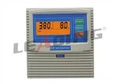
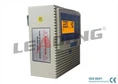


Hey there! As a supplier in the pump control industry, I've seen firsthand how crucial a well - designed pump control panel is. Whether you're dealing with a simple water supply system or a complex industrial setup, the control panel is the brain of the operation. So, let's dive into how you can design an effective pump control panel.
Understanding the Basics
First things first, you need to have a clear understanding of what the pump control panel is supposed to do. A pump control panel is used to manage and protect your pumps. It can turn the pumps on and off, monitor their performance, and alert you when something goes wrong.
The type of pump you're using is a major factor. There are different types of pumps like centrifugal pumps, positive displacement pumps, and submersible pumps, each with its own operating requirements. For example, submersible pumps are often used in water wells and need a control panel that can handle the harsh underwater environment. If you're in the market for a reliable 3 - phase submersible pump control panel, you might want to check out 3 Phase Submersible Pump Control Panel Automatic Water Pump Motor Controller.
Defining Your Requirements
Before you start designing, sit down and figure out your specific requirements. Consider the number of pumps you're going to control. If it's just one pump, a simplex pump controller might be sufficient. Our Simplex Pump Controller Wall Mounting with Auto Manual Control is a great option for single - pump setups. It offers both automatic and manual control, giving you flexibility in operation.
Think about the operating conditions. What's the flow rate and pressure you need to achieve? Are there any specific environmental factors like temperature, humidity, or dust to take into account? For instance, if you're in an area with high humidity, you'll need to make sure the control panel has proper ventilation and moisture - resistant components.
Selecting the Right Components
The components of a pump control panel are like the building blocks. The most basic ones include a power supply, control switches, relays, fuses, and a circuit breaker. The power supply provides the electrical energy for the panel and the pumps. You need to choose a power supply that can handle the load of your pumps.
Control switches are used to start and stop the pumps manually. Relays are important because they allow the control panel to control high - power circuits with low - power signals. Fuses and circuit breakers are safety devices that protect the panel and the pumps from electrical overloads.
If you want more advanced features, you might consider adding a programmable logic controller (PLC). A PLC can automate complex pump control sequences. You can program it to turn the pumps on and off based on time, flow rate, or pressure. And for those who want even more convenience, our Multifunction Wireless Water Pump Controller offers wireless connectivity, allowing you to control the pumps from a distance.


Designing the Layout
Once you've selected the components, it's time to design the layout of the control panel. The layout should be organized in a way that's easy to understand and maintain. Group related components together. For example, put all the control switches in one area and the power - related components in another.
Make sure there's enough space between the components for ventilation and easy access. You don't want the components to overheat or be difficult to reach when you need to perform maintenance. Label all the components clearly so that anyone who needs to operate or repair the panel can easily identify them.
Wiring the Control Panel
Wiring is a critical part of the design process. You need to follow the electrical codes and standards to ensure the safety of the panel. Use high - quality wires that are rated for the voltage and current of your system.
Plan the wiring route carefully. Avoid crossing wires unnecessarily, as this can lead to interference and make troubleshooting more difficult. Color - code the wires to make it easier to identify them. For instance, use black for the main power supply, red for the control signals, and green for the ground.
Testing and Validation
After you've designed and built the control panel, it's time to test it. Connect the control panel to the pumps and power supply and run some basic tests. Check if the pumps start and stop correctly, and if the control panel can monitor the pump performance.
Look for any signs of overheating, short circuits, or other issues. If you find any problems, go back and make the necessary adjustments. Once you're satisfied with the test results, you can install the control panel in its final location.
Maintenance Considerations
A well - designed pump control panel also takes maintenance into account. Make sure the panel has easy - to - remove covers and access points for inspecting and replacing components. Provide a maintenance schedule and instructions for the users.
Regularly check the electrical connections, tighten any loose screws, and clean the components to prevent dust and debris buildup. This will help extend the lifespan of the control panel and ensure reliable operation of the pumps.
Cost - Effectiveness
When designing the pump control panel, you also need to consider the cost. While you want to use high - quality components, you don't want to overspend. Look for components that offer a good balance between performance and cost.
You can also save costs by using standard components whenever possible. Custom - made components can be expensive and may take longer to manufacture. By planning carefully and choosing the right components, you can design a cost - effective pump control panel that meets your needs.
If you're interested in any of our pump control products or need help with designing your own pump control panel, don't hesitate to reach out. We're here to assist you in finding the best solutions for your pump control needs. Whether it's a small - scale domestic application or a large - scale industrial project, we've got you covered. Let's have a chat and see how we can work together to make your pump systems more efficient and reliable.
References
- Electrical Installation Guidebooks
- Pump Manufacturer's Technical Documents
- Industry Standards for Pump Control Systems