




Developing a pump control algorithm is a multifaceted process that requires a deep understanding of pump systems, control theory, and the specific requirements of your application. As a Pump Control supplier, we have extensive experience in this field and are here to guide you through the key steps involved in creating an effective pump control algorithm.
Understanding the Basics of Pump Systems
Before diving into algorithm development, it's essential to have a solid grasp of how pump systems work. Pumps are used to move fluids from one place to another, and their performance is typically characterized by parameters such as flow rate, head (pressure), and power consumption. Different types of pumps, such as centrifugal pumps and positive displacement pumps, have distinct operating characteristics that influence the control strategy.
Centrifugal pumps, for example, are widely used in water supply, HVAC, and industrial applications. Their flow rate is proportional to the rotational speed of the impeller, and the head is related to the square of the speed. Positive displacement pumps, on the other hand, deliver a fixed volume of fluid per revolution, making them suitable for applications that require precise metering or high pressures.
Defining the Control Objectives
The first step in developing a pump control algorithm is to clearly define the control objectives. These objectives will depend on the specific application and the requirements of the end - user. Common control objectives for pump systems include:
- Flow Rate Regulation: Maintaining a constant or desired flow rate of the fluid through the system. This is crucial in applications such as water distribution networks, where a consistent supply of water is required.
- Pressure Control: Keeping the pressure within a specified range. In a building's plumbing system, for instance, maintaining proper water pressure ensures reliable operation of faucets and appliances.
- Energy Efficiency: Minimizing the power consumption of the pump while still meeting the system's requirements. This can be achieved by optimizing the pump's operating point and reducing unnecessary cycling.
- Level Control: Controlling the liquid level in a tank or reservoir. This is important in applications like wastewater treatment plants, where the level of the influent or effluent must be maintained within certain limits.
Selecting the Control Variables
Once the control objectives are defined, the next step is to select the appropriate control variables. These are the parameters that will be measured and used to adjust the pump's operation. Common control variables for pump systems include:
- Flow Rate: Measured using flow meters such as electromagnetic, ultrasonic, or turbine flow meters.
- Pressure: Monitored with pressure sensors, which can be mechanical, electronic, or digital.
- Liquid Level: Detected by level sensors, such as float switches, ultrasonic level sensors, or pressure - based level transmitters.
Choosing the Control Strategy
Based on the control objectives and the selected control variables, you need to choose an appropriate control strategy. There are several types of control strategies commonly used in pump systems:
On - Off Control
The simplest control strategy is on - off control, where the pump is either fully on or fully off. This strategy is often used for small pump systems or applications where a constant flow or pressure is not critical. For example, in a domestic water supply system with a small storage tank, the pump can be turned on when the water level in the tank drops below a certain level and turned off when it reaches a high level.
Proportional - Integral - Derivative (PID) Control
PID control is a more sophisticated control strategy that is widely used in industrial and commercial pump systems. It continuously adjusts the pump's speed or output based on the error between the desired setpoint and the actual value of the control variable. The proportional term provides an immediate response to the error, the integral term eliminates the steady - state error over time, and the derivative term anticipates future changes in the error and helps to dampen oscillations.
Sequential Control
In systems with multiple pumps, sequential control can be used to operate the pumps in a specific order. This strategy is useful for load sharing, redundancy, and energy management. For example, in a duplex pump system, one pump can be used as the primary pump, and the other as a backup or supplementary pump. The pumps can be started and stopped based on the demand for flow or pressure.
Implementing the Algorithm
After choosing the control strategy, you need to implement the algorithm in a control system. This can be done using a Programmable Logic Controller (PLC), a microcontroller, or a dedicated pump controller.
PLCs are widely used in industrial applications due to their reliability, flexibility, and ease of programming. They can be programmed using ladder logic, function block diagrams, or structured text. Microcontrollers are more suitable for small - scale or embedded applications, as they are cost - effective and can be customized to meet specific requirements.


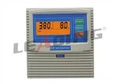
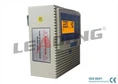
As a Pump Control supplier, we offer a range of products that can be used to implement pump control algorithms. For example, our Duplex Single Phase Pump Control with Panel DOL Start is designed for duplex pump systems and provides reliable on - off or sequential control. Our M531 Submersible Pump Controller IP22 Enclosure Protection Grade For Single Pump Control is suitable for single pump applications and offers features such as over - current protection and dry - running protection. And our Intelligent Duplex Pump Programmable Logic Controller Kit provides a high - performance solution for complex pump control applications with advanced programming capabilities.
Testing and Tuning the Algorithm
Once the algorithm is implemented, it is crucial to test and tune it to ensure optimal performance. During the testing phase, you should simulate different operating conditions and monitor the pump's response. This will help you identify any issues or areas for improvement.
Tuning the algorithm involves adjusting the control parameters, such as the PID gains in a PID control system, to achieve the desired performance. This can be done manually by trial and error or using automated tuning methods.
Maintenance and Monitoring
After the pump control algorithm is up and running, it is important to establish a maintenance and monitoring program. Regular maintenance of the pump and the control system can prevent breakdowns and ensure reliable operation. Monitoring the performance of the pump system using sensors and data loggers can help you detect any anomalies or changes in the system's behavior, allowing you to take proactive measures to avoid problems.
Conclusion
Developing a pump control algorithm is a complex but rewarding process. By understanding the basics of pump systems, defining clear control objectives, selecting appropriate control variables and strategies, and implementing and testing the algorithm carefully, you can create a highly efficient and reliable pump control system.
As a Pump Control supplier, we are committed to providing high - quality products and technical support to help you with your pump control needs. Whether you are looking for a simple on - off controller or a sophisticated programmable logic controller for a complex pump system, we have the solutions you need. If you are interested in our products or need further assistance with developing a pump control algorithm, please contact us for a detailed discussion and a customized solution.
References
- Pump Handbook, 4th Edition, Igor J. Karassik et al.
- Control Systems Engineering, Norman S. Nise
- Industrial Instrumentation and Control, B. C. Nakra and K. K. Chaudhry