


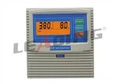
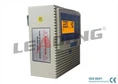


Ensuring the proper alignment of a three - phase pump control panel during installation is crucial for the efficient and safe operation of the pump system. As a supplier of Three Phase Pump Control Panels, I have witnessed firsthand the impact that misalignment can have on performance and longevity. In this blog, I will share some key steps and considerations to ensure the proper alignment of a three - phase pump control panel during installation.
Pre - installation Preparation
Before starting the installation process, it is vital to conduct a thorough site assessment. This includes checking the physical space where the control panel will be installed. The area should be clean, dry, and free from any potential sources of damage or interference. Measure the available space carefully to ensure that the control panel will fit properly. Additionally, identify the location of the power source and the pump itself. The distance between the control panel, the power source, and the pump can affect the alignment and the length of the wiring required.
Another important pre - installation step is to review the installation manual provided with the control panel. The manual contains detailed instructions and specifications that are specific to the model of the control panel. It will provide information on the recommended mounting height, orientation, and any special requirements for alignment. Familiarize yourself with these details to ensure a smooth installation process.
Mounting the Control Panel
The first step in mounting the control panel is to select the appropriate mounting surface. The surface should be sturdy and capable of supporting the weight of the control panel. Common mounting surfaces include walls or dedicated racks. If mounting on a wall, use a level to ensure that the surface is perfectly horizontal and vertical. This will help in achieving proper alignment of the control panel.
Once the mounting surface is prepared, mark the locations for the mounting holes on the surface according to the template provided in the installation manual. Drill the holes carefully, ensuring that they are the correct size and depth. Insert the appropriate fasteners, such as bolts or screws, into the holes.
When lifting the control panel into position, it is advisable to have at least two people to ensure safety and proper alignment. Align the holes in the control panel with the fasteners on the mounting surface. Slowly lower the control panel onto the fasteners and tighten them securely. Use a torque wrench to ensure that the fasteners are tightened to the recommended torque specifications. This will prevent over - tightening or under - tightening, which can lead to misalignment.
Electrical Wiring Alignment
Proper electrical wiring alignment is essential for the correct functioning of the three - phase pump control panel. Start by identifying the different electrical connections on the control panel, including the power input, pump output, and any control signals. Refer to the wiring diagram provided in the installation manual to ensure that the connections are made correctly.
When running the electrical wires, keep them organized and separated to avoid interference. Use cable ties or wire management systems to secure the wires and prevent them from becoming tangled. Ensure that the wires are of the appropriate gauge for the electrical load. Incorrect wire gauge can lead to overheating and potential safety hazards.


Connect the power input wires to the appropriate terminals on the control panel. Make sure that the phase sequence is correct. Incorrect phase sequence can cause the pump to run in the wrong direction or damage the motor. Use a phase sequence tester to verify the phase sequence before making the connections.
Next, connect the pump output wires to the corresponding terminals. Ensure that the connections are tight and secure. Loose connections can cause voltage drops and overheating. Finally, connect any control signals, such as sensors or switches, to the appropriate terminals on the control panel.
Testing and Calibration
After the control panel is mounted and wired, it is time to conduct a series of tests to ensure proper alignment and functionality. Start by performing a visual inspection of the installation. Check for any loose wires, misaligned components, or signs of damage. Make any necessary adjustments before proceeding with the electrical tests.
Turn on the power supply to the control panel and check for any error messages or abnormal behavior. Use a multimeter to measure the voltage and current at different points in the circuit. Compare the measured values with the specifications provided in the installation manual. If the values are outside the acceptable range, check the wiring connections and the components for any faults.
Perform a functional test of the pump by starting and stopping it using the control panel. Observe the pump's operation and listen for any unusual noises or vibrations. If the pump does not operate correctly, check the alignment of the control panel and the wiring connections.
Calibration is also an important step in ensuring proper alignment. Some control panels may require calibration of sensors or control settings. Follow the calibration procedures provided in the installation manual to adjust the settings to the correct values.
Importance of Proper Alignment
Proper alignment of the three - phase pump control panel offers several benefits. Firstly, it ensures the efficient operation of the pump. When the control panel is correctly aligned, it can accurately monitor and control the pump's performance, resulting in optimal energy consumption and reduced operating costs.
Secondly, proper alignment enhances the safety of the pump system. Misaligned control panels can lead to electrical faults, overheating, and even fires. By ensuring proper alignment, the risk of these safety hazards is significantly reduced.
Finally, proper alignment extends the lifespan of the control panel and the pump. When the components are correctly aligned, there is less stress on the electrical connections and the mechanical parts. This reduces wear and tear, leading to a longer service life for the equipment.
Related Products
If you are interested in our Three Phase Pump Control Panels, we offer a variety of products to meet your specific needs. Check out our Single Pump Controller Three Phase Pump Control Panel, which is designed for single - pump applications. For sewage pump control, our Single Sewage Pump Controller provides reliable performance. And if you need an auto - manual control option, our Auto Manual Three Phase Pump Control Panel Simplex Pump Controller is a great choice.
Conclusion
Ensuring the proper alignment of a three - phase pump control panel during installation is a multi - step process that requires careful planning, attention to detail, and thorough testing. By following the steps outlined in this blog, you can ensure that your control panel is installed correctly, leading to efficient, safe, and reliable pump operation. If you have any questions or need further assistance with the installation of our Three Phase Pump Control Panels, please do not hesitate to contact us for a procurement discussion.
References
- Manufacturer's Installation Manual for Three Phase Pump Control Panels
- Electrical Installation Standards and Guidelines