


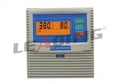
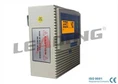


Hey there! I'm a supplier of Three Phase Pump Control For Universal Pump, and today I'm gonna walk you through how to install a backup system for three-phase pump control for universal pumps. It's a crucial process that can save you a whole lot of hassle in the long run, so let's get started!
Why You Need a Backup System
First off, you might be wondering why you even need a backup system for your three-phase pump control. Well, there are a bunch of reasons. Power outages can happen anytime, and if your pump goes down during one, it can disrupt your operations big time. Maybe you're using the pump for water supply in a building, or for industrial processes. A sudden stop can lead to all sorts of problems, like water shortages or damage to equipment.
Also, electrical faults can occur in the pump control system itself. A short circuit, a blown fuse, or a malfunctioning component can make the pump stop working. Having a backup system ensures that you can quickly switch over and keep things running smoothly.
Types of Backup Systems
There are a few different types of backup systems you can consider. One option is a standby generator. This is a great choice if you're dealing with power outages. You can connect the generator to the pump control system, and when the main power fails, the generator kicks in and provides the necessary electricity to keep the pump running.
Another option is a redundant control system. This means having a second set of control components, like controllers, relays, and sensors, that can take over if the primary system fails. It's a bit more complex to set up, but it provides a high level of reliability.
Choosing the Right Backup System
When it comes to choosing the right backup system for your three-phase pump control, there are a few factors you need to consider.
Power Requirements
You need to know how much power your pump requires. This will help you determine the size of the standby generator or the capacity of the redundant control system. Look at the pump's specifications to find out its power rating, usually measured in kilowatts (kW).
Compatibility
The backup system needs to be compatible with your existing pump control system. Make sure the voltage, frequency, and control signals match. Otherwise, you might run into problems when trying to connect the backup system.
Cost
Of course, cost is always a factor. Standby generators can be quite expensive, especially if you need a large one. Redundant control systems also require an investment in additional components. Consider your budget and find a solution that offers the best balance between cost and reliability.
Installing a Standby Generator as a Backup System
Let's take a closer look at how to install a standby generator as a backup system for your three-phase pump control.
Step 1: Select the Generator
As I mentioned earlier, choose a generator with the right power capacity for your pump. You can consult with a generator supplier or an electrician to help you make the right choice.
Step 2: Location
Find a suitable location for the generator. It should be well-ventilated to prevent the buildup of exhaust fumes. Make sure it's also protected from the elements, like rain and snow. A concrete pad is a good surface to place the generator on.
Step 3: Connect the Generator to the Pump Control System
You'll need to hire a qualified electrician to make the electrical connections. The electrician will connect the generator to the pump control panel using appropriate wiring and connectors. They'll also install a transfer switch, which automatically switches the power supply from the main grid to the generator when there's a power outage.
Step 4: Test the System
Once the installation is complete, it's important to test the system. Turn off the main power and see if the generator kicks in and the pump starts running. Make sure everything is working properly before relying on the backup system.
Installing a Redundant Control System
Now, let's talk about installing a redundant control system.
Step 1: Gather the Components
You'll need to purchase a second set of control components, such as DOL Start Type Intelligent Pump Controller with Stalled Protection, Intelligent Pump Controller Wiht 3 Phase Submersible Control Panel, and Intelligent Pump Controller Single Phase Dry Run Protection with Sensor Free. Make sure they're the same or compatible with the components in your primary system.
Step 2: Install the Components
Install the new components in a separate enclosure or cabinet. Connect them to the pump and the electrical supply using the appropriate wiring. You'll also need to configure the control settings to match the primary system.


Step 3: Set Up the Switchover Mechanism
You need to have a way to switch from the primary control system to the redundant system when there's a failure. This can be done using a manual switch or an automatic switch that detects faults in the primary system.
Step 4: Test the Redundant System
Just like with the standby generator, test the redundant control system to make sure it works. Simulate a failure in the primary system and see if the redundant system takes over and the pump continues to operate.
Maintenance and Monitoring
Once you've installed the backup system, it's important to maintain and monitor it regularly.
Maintenance
For standby generators, follow the manufacturer's maintenance schedule. This usually includes tasks like changing the oil, replacing the air filter, and checking the battery. For redundant control systems, inspect the components periodically for signs of wear and tear, and replace any faulty parts.
Monitoring
Use monitoring tools to keep an eye on the backup system's performance. You can install sensors to detect things like temperature, voltage, and current. This will help you identify any potential problems before they cause a failure.
Conclusion
Installing a backup system for three-phase pump control for universal pumps is an important step to ensure the reliability and continuity of your operations. Whether you choose a standby generator or a redundant control system, make sure you choose the right one for your needs, install it correctly, and maintain it regularly.
If you're interested in purchasing a backup system or have any questions about three-phase pump control, feel free to reach out. We're here to help you find the best solution for your specific requirements.
References
- Electrical Installation Guidelines for Three-Phase Pumps
- Generator Installation and Maintenance Manuals
- Pump Control System Technical Documentation