


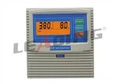
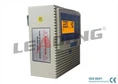


Installing a cooling fan for a Universal Three Phase Pump Control Panel is a crucial step to ensure its optimal performance and longevity. As a supplier of Universal Three Phase Pump Control Panels, I understand the importance of proper cooling in maintaining the efficiency of these panels. In this blog, I will guide you through the process of installing a cooling fan for your control panel, providing you with valuable insights and practical tips.
Why is Cooling Important for a Three Phase Pump Control Panel?
Three phase pump control panels are responsible for regulating the operation of pumps, which often generate a significant amount of heat during their normal functioning. Excessive heat can lead to various problems, such as component failure, reduced efficiency, and even system shutdown. A cooling fan helps to dissipate this heat, keeping the internal temperature of the control panel within a safe operating range. This not only extends the lifespan of the components but also ensures the reliable and continuous operation of the pump system.
Tools and Materials Needed
Before you begin the installation process, it is essential to gather all the necessary tools and materials. Here is a list of items you will need:
- Cooling fan: Make sure to choose a fan that is suitable for the size and requirements of your control panel. Consider factors such as airflow rate, noise level, and power consumption.
- Screwdriver: You will need a screwdriver to remove and install the screws on the control panel.
- Drill: If the control panel does not have pre - drilled holes for the fan, you will need a drill to create them.
- Mounting brackets: These are used to secure the fan to the control panel.
- Electrical wires: You will need wires to connect the fan to the power supply within the control panel.
- Wire connectors: These are used to make secure electrical connections.
- Sealant: To prevent dust and moisture from entering the control panel through the fan mounting holes.
Step - by - Step Installation Process
Step 1: Prepare the Control Panel
First, turn off the power supply to the control panel to avoid any electrical hazards. Remove the cover of the control panel using a screwdriver. This will give you access to the internal components and allow you to determine the best location for the cooling fan.
Step 2: Choose the Mounting Location
Select a suitable location on the control panel for the cooling fan. The ideal location is usually on the side or back of the panel, where it can draw in fresh air and expel hot air effectively. Make sure there is enough space around the fan for proper airflow and that it does not interfere with other components inside the panel.
Step 3: Drill Holes (if necessary)
If the control panel does not have pre - drilled holes for the fan, use a drill to create them. Refer to the fan's mounting instructions for the correct hole size and spacing. Be careful not to damage any internal components while drilling.
Step 4: Install the Mounting Brackets
Attach the mounting brackets to the control panel using the screws provided. Make sure the brackets are securely fastened and level.
Step 5: Mount the Cooling Fan
Place the cooling fan on the mounting brackets and align the holes in the fan with the holes in the brackets. Insert the screws through the holes and tighten them to secure the fan in place.
Step 6: Connect the Electrical Wires
Connect the electrical wires from the fan to the power supply within the control panel. Use wire connectors to make secure connections. Follow the wiring diagram provided with the fan to ensure correct polarity. If you are unsure about the wiring, it is recommended to consult an electrician.
Step 7: Seal the Mounting Holes
Apply a sealant around the edges of the fan mounting holes to prevent dust and moisture from entering the control panel. This will help to protect the internal components and ensure the long - term reliability of the system.


Step 8: Test the Fan
Once the installation is complete, replace the cover of the control panel and turn on the power supply. Check if the fan is working properly by observing its rotation and listening for any unusual noises. If the fan does not work, double - check the electrical connections and make sure the power supply is functioning correctly.
Additional Tips
- Regular Maintenance: To ensure the continued effectiveness of the cooling fan, it is important to perform regular maintenance. This includes cleaning the fan blades to remove dust and debris, checking the electrical connections for looseness, and lubricating the fan bearings if necessary.
- Airflow Management: Consider the overall airflow within the control panel. You may need to install additional ventilation holes or ducting to optimize the airflow and improve the cooling efficiency.
- Temperature Monitoring: Install a temperature sensor within the control panel to monitor the internal temperature. This will allow you to detect any overheating issues early and take appropriate action.
Our Product Recommendations
As a supplier of Universal Three Phase Pump Control Panels, we offer a range of high - quality products that are designed to meet the diverse needs of our customers. Here are some of our recommended products:
- L532 Farms Three Phase Duplex Pump Control Panel 6PCS: This control panel is specifically designed for farm applications and provides reliable and efficient operation of duplex pump systems.
- Multifunction Three Phase Pump Control Panel Overload Protection for Waste Water Systems: Ideal for waste water systems, this control panel offers multiple functions and overload protection to ensure the safe and stable operation of the pumps.
- Integrated Design Submersible Water Pump Control Panel Transient Surge Protection: With its integrated design and transient surge protection, this control panel is perfect for submersible water pump applications.
Contact Us for Purchase and Consultation
If you are interested in purchasing a Universal Three Phase Pump Control Panel or have any questions about the installation of a cooling fan, please feel free to contact us. Our team of experts is always ready to provide you with professional advice and support. We can help you choose the right product for your specific needs and ensure a smooth installation process.
References
- Electrical Installation Handbook, Schneider Electric
- Pump Systems Matter, Hydraulic Institute