


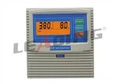
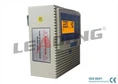


Hey there! As a supplier of Submersible Water Pump Control Boxes, I'm stoked to share with you a step - by - step guide on how to install one. These control boxes are super important as they help manage your submersible water pump, making it work more efficiently and safely.


Why You Need a Submersible Water Pump Control Box
Before we jump into the installation process, let's quickly chat about why you need a Submersible Water Pump Control Box. This nifty device protects your pump from issues like over - current, over - voltage, and under - voltage. It can also control when the pump starts and stops, which is great for conserving energy and preventing water wastage.
Tools You'll Need
First off, gather the necessary tools. You'll need a screwdriver (both flat - head and Phillips - head), wire strippers, a voltage tester, and a drill (if you need to mount the control box). Having all these tools ready will make the installation process go much smoother.
Step 1: Choose the Right Location
The location of the control box is crucial. It should be installed in a dry, well - ventilated area. Avoid places that are prone to water splash or flooding. Keep it away from direct sunlight and extreme heat sources too. You'll want to mount it close to the pump, but make sure there's enough space around it for easy access. Usually, a wall near the pump or in a utility room works great.
Step 2: Safety First
Before you do anything, turn off the power supply to the area where you'll be working. This is non - negotiable. Even if you're a seasoned DIYer, electricity is dangerous. Use a voltage tester to double - check that there's no power in the wires you're about to work on.
Step 3: Mount the Control Box
If your control box comes with a mounting bracket, use your drill to attach it to the chosen wall. Make sure it's level and secure. If you're not using a bracket, you can use screws to directly mount the box to the wall. Just follow the instructions that came with your Submersible Water Pump Control Box.
Step 4: Connect the Wires
Now, it's time to connect the wires. This part can be a bit tricky, so pay close attention. First, identify the different wires. You'll have power wires (usually coming from the main electrical supply), pump wires (connected to the submersible pump), and sometimes control wires (if you're using a water - level control feature).
Use your wire strippers to remove about ¾ inch of insulation from the ends of the wires. Then, connect the power wires to the appropriate terminals on the control box. Usually, there are markings indicating which wire goes where. Make sure the connections are tight and secure. You can use a screwdriver to tighten the terminal screws.
Next, connect the pump wires to the designated terminals. Again, refer to the wiring diagram that came with your control box. If your control box has built - in water - level control, now is the time to connect the control wires.
Step 5: Check the Connections
Once you've connected all the wires, take a step back and double - check everything. Make sure there are no loose wires or terminals. Give each wire a gentle tug to confirm that it's firmly connected. Incorrect wiring can lead to malfunctions or even damage to your pump, so it's worth the extra time to double - check.
Step 6: Test the Control Box
Now that everything is connected, it's time to turn the power back on. But before you do, keep an eye on the control box and the pump for any signs of trouble. Once you turn on the power, check if the control box is functioning properly. It should show the correct voltage and have no error lights. If you have a water - level control feature, check if it can accurately start and stop the pump based on the water level.
Step 7: Final Checks and Maintenance
After the initial test, run the pump for a short period to make sure everything is working as expected. Listen for any strange noises or vibrations from the pump. If you notice anything unusual, turn off the power immediately and check your connections again.
Regular maintenance is also important. Keep the control box clean and free of dust. Check the connections periodically to make sure they're still tight. If you live in an area with extreme weather conditions, you may need to take extra precautions to protect the control box.
Different Types of Control Boxes
There are different types of control boxes available, and the installation process may vary slightly depending on the type. For example, the Direct Online Start Type Intelligent Pump Controller is designed for direct starting of the pump. Its wiring may be a bit different from a standard control box, but the basic principles of installation remain the same.
Another popular type is the Auto Single Phase Water Pump Controller with Built - In Water Level Control. This controller can automatically start and stop the pump based on the water level, which is really convenient. When installing this type, make sure to pay special attention to the water - level control sensors and their connections.
Troubleshooting Tips
If you run into any problems during the installation or operation of the control box, here are some common issues and solutions:
- No power to the control box: Check the circuit breaker or fuse. Make sure the power switch is turned on. Also, double - check the power connections to the control box.
- Pump not starting: This could be due to incorrect wiring, a faulty control box, or a problem with the pump itself. Check the wiring first, and if that's okay, test the control box using a multimeter. If the control box is working fine, it may be an issue with the pump.
- Control box overheating: This may be caused by a high ambient temperature, over - current, or a ventilation problem. Make sure the control box is installed in a well - ventilated area and check for any over - current issues.
Conclusion
Installing a submersible water pump control box may seem daunting at first, but if you follow these steps and take your time, it can be a manageable DIY project. Remember, safety is always the top priority. If you're not comfortable doing the installation yourself, it's best to hire a professional electrician.
As a supplier of Submersible Water Pump Control Boxes, we're here to help. Whether you have questions about installation, need advice on the right control box for your pump, or are interested in purchasing, don't hesitate to reach out and start a procurement discussion. We're happy to offer you the best solutions and support for your pumping needs.
References
- General electrical safety guidelines from industry standards
- Manufacturer's installation manual for submersible water pump control boxes