




As a supplier of Simplex Pump Controllers, I understand the common concern of customers regarding the noise generated by these devices. Excessive noise not only causes discomfort but can also be an indicator of potential problems with the pump controller. In this blog post, I will share some effective strategies on how to reduce the noise of a Simplex Pump Controller.
Understanding the Sources of Noise in Simplex Pump Controllers
Before we delve into the solutions, it's crucial to understand where the noise in Simplex Pump Controllers comes from. There are several potential sources:
- Mechanical Vibrations: The moving parts within the pump controller, such as motors and relays, can generate vibrations that result in noise. These vibrations can be transmitted through the housing and other components of the controller.
- Electrical Interference: Electrical components like transformers and capacitors can produce audible noise due to electromagnetic interference. This is often characterized by a high - pitched buzzing sound.
- Fluid Flow Turbulence: If the pump is handling fluids, the flow of the fluid can create turbulence, which in turn generates noise. This is especially true when the fluid flow rate is high or the piping system has irregularities.
Strategies to Reduce Noise
1. Isolation and Mounting
One of the most effective ways to reduce noise from mechanical vibrations is through proper isolation and mounting.
- Use Anti - Vibration Mounts: Install anti - vibration mounts between the pump controller and its mounting surface. These mounts are designed to absorb and dampen the vibrations, preventing them from being transmitted to the surrounding environment. For example, rubber or neoprene mounts can be used. They are relatively inexpensive and easy to install.
- Proper Alignment: Ensure that the pump and all its components are properly aligned. Misaligned components can cause uneven stress and increased vibrations. Regularly check the alignment of the motor, pump shaft, and other moving parts to maintain smooth operation.
2. Electrical Noise Reduction
To minimize electrical interference and the associated noise:
- Shielding: Use shielded cables for electrical connections. Shielding helps to block electromagnetic interference and reduce the noise generated by electrical components. Make sure that the shields are properly grounded to ensure their effectiveness.
- Filtering: Install electrical filters in the power supply circuit. These filters can remove high - frequency noise and harmonics from the electrical supply, reducing the buzzing sound produced by transformers and other electrical components.
3. Fluid Flow Optimization
When dealing with fluid - handling pumps, optimizing the fluid flow can significantly reduce noise:
- Smooth Piping: Use smooth - walled pipes with minimal bends and elbows. Turbulence is more likely to occur in pipes with rough surfaces or sharp turns. By using straight and smooth pipes, the fluid can flow more evenly, reducing noise.
- Flow Control: Adjust the flow rate of the fluid to an optimal level. High flow rates can cause excessive turbulence and noise. Use flow control valves to regulate the flow and ensure that it remains within the recommended range for the pump and the piping system.
4. Enclosure and Soundproofing
- Enclosures: Install a soundproof enclosure around the pump controller. The enclosure can be made of materials with good sound - absorbing properties, such as acoustic foam or fiberglass. The enclosure helps to contain the noise within a limited space and reduces its spread to the surrounding area.
- Sealing: Ensure that the enclosure is properly sealed to prevent noise leakage. Check for any gaps or openings in the enclosure and seal them with appropriate gaskets or sealants.
Product - Specific Considerations
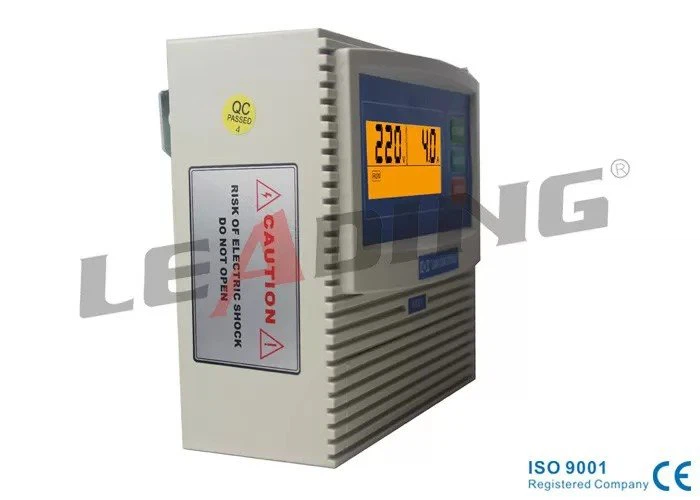
As a supplier, we offer a range of Simplex Pump Controllers, each with its own characteristics. For example, our Small Size Simplex Pump Controller Plastic Panel Material is designed for applications where space is limited. When using this product, pay attention to the mounting location as it should be stable and vibration - free to reduce noise.
Our IP54 Protection Grade Simplex Pump Controller is suitable for outdoor or harsh environments. While it has a high - level of protection, it's still important to follow the noise - reduction strategies mentioned above. The enclosure of this controller can be further enhanced with additional soundproofing materials if necessary.
The Monophase Pump Control Unit Applied for Drainage Sewage is specifically designed for drainage and sewage applications. Since it deals with fluid flow, optimizing the fluid flow as described earlier is crucial for noise reduction.

Regular Maintenance and Inspection
Regular maintenance is essential to keep the pump controller running smoothly and quietly.
- Lubrication: Ensure that all moving parts are properly lubricated. Lack of lubrication can cause increased friction and noise. Follow the manufacturer's recommendations for lubrication intervals and use the appropriate lubricants.
- Component Inspection: Regularly inspect the pump controller for any signs of wear or damage. Worn - out bearings, belts, or seals can cause increased noise and may lead to more serious problems if not addressed promptly. Replace any damaged components as soon as possible.
Conclusion
Reducing the noise of a Simplex Pump Controller is a multi - faceted process that involves understanding the sources of noise and implementing appropriate strategies. By following the methods outlined in this blog post, you can significantly reduce the noise generated by your pump controller, improving the comfort of your working environment and potentially extending the lifespan of the equipment.
If you are interested in our Simplex Pump Controllers or have any questions about noise reduction, please feel free to contact us for further discussion and procurement. We are committed to providing high - quality products and solutions to meet your needs.
References
- "Pump Handbook" by Igor J. Karassik, Joseph P. Messina, Paul Cooper, and Charles C. Heald.
- "Noise Control Handbook" by Cyril M. Harris.