


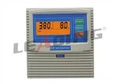
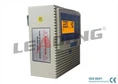


Storing a single phase pump control panel properly when it's not in use is crucial to maintain its performance and longevity. As a supplier of single phase pump control panels, I've witnessed firsthand the importance of correct storage methods. In this blog, I'll share some professional insights on how to store these control panels effectively.
Understanding the Single Phase Pump Control Panel
Before delving into storage methods, it's essential to understand the single phase pump control panel. These panels are designed to regulate and control single phase pumps, ensuring efficient and safe operation. They come in various types and configurations, each tailored to specific applications. For instance, the Intelligent Single Phase Water Pump Control Panel CE Cerfectation offers intelligent features for water pump control, while the Single Phase Pump Control Panel Can Meet Different Application is versatile enough to fit diverse needs. The One Button Calibration Single Phase Pump Control Panel for Single Phase with CE Certificate simplifies the calibration process with its one - button operation.
Pre - storage Preparation
Cleaning
The first step in preparing a single phase pump control panel for storage is cleaning. Dust, dirt, and debris can accumulate on the panel over time, which may cause short - circuits or other malfunctions. Use a soft, dry cloth to wipe the exterior of the panel gently. For stubborn dirt, you can slightly dampen the cloth with a mild cleaning solution, but make sure to wring it out thoroughly to avoid any liquid getting into the panel.
Inspection
Conduct a thorough inspection of the control panel before storage. Check for any visible signs of damage, such as cracked casings, loose wires, or corroded components. If you notice any issues, it's advisable to repair them before storing the panel. This not only ensures that the panel is in good condition when you need to use it again but also prevents further damage during storage.
Disconnection
Disconnect the control panel from all power sources, including electrical outlets and any connected pumps. This eliminates the risk of electrical hazards during storage and also prevents any potential power surges from damaging the panel. Additionally, label all the connections clearly so that you can easily reconnect them when you take the panel out of storage.
Choosing the Right Storage Environment
Temperature
The storage temperature plays a significant role in the lifespan of a single phase pump control panel. Extreme temperatures can cause the components inside the panel to expand or contract, leading to mechanical stress and potential damage. Ideally, the storage temperature should be between 10°C and 30°C (50°F and 86°F). Avoid storing the panel in areas that are subject to direct sunlight, such as attics or near windows, as this can cause the temperature inside the storage area to rise significantly.
Humidity
High humidity can lead to corrosion of the electrical components in the control panel. Aim for a relative humidity level of between 30% and 60% in the storage area. If the storage environment is prone to high humidity, consider using a dehumidifier to keep the humidity in check. You can also place moisture - absorbing packets, such as silica gel, inside the storage container with the control panel to absorb any excess moisture.
Ventilation
Proper ventilation is essential to prevent the buildup of heat and moisture in the storage area. Ensure that the storage space has adequate air circulation. Avoid storing the panel in a sealed container without any ventilation, as this can trap heat and moisture, leading to damage. If possible, choose a well - ventilated room or storage cabinet for the panel.
Storage Containers
Original Packaging
If available, use the original packaging of the single phase pump control panel for storage. The original packaging is designed to provide the best protection for the panel during transportation and storage. It usually has built - in padding and shock - absorbing materials that can safeguard the panel from physical damage.
Custom - made Containers
If the original packaging is not available, you can use a custom - made storage container. Choose a container that is made of a durable material, such as plastic or metal. Make sure the container is large enough to accommodate the panel without squeezing it, as this can cause damage to the components. Line the container with a soft, protective material, such as foam or felt, to cushion the panel.
Additional Protection
Anti - static Bags
Single phase pump control panels contain sensitive electronic components that can be damaged by static electricity. To protect the panel from static discharge, place it in an anti - static bag before storing it. Anti - static bags are designed to dissipate static charges and prevent them from reaching the panel.
Dust Covers
Even if the panel is stored in a container, it's a good idea to use a dust cover to provide an extra layer of protection. A dust cover can prevent dust and dirt from entering the container and settling on the panel. You can use a simple cloth dust cover or a custom - made cover that fits the shape of the container.
Regular Checks During Storage
It's important to conduct regular checks on the stored single phase pump control panel. Check the storage environment for any changes in temperature or humidity. Also, inspect the panel itself for any signs of damage or deterioration. If you notice any issues, take appropriate action immediately, such as adjusting the storage conditions or repairing the panel.
Conclusion
Proper storage of a single phase pump control panel is essential for maintaining its performance and extending its lifespan. By following the steps outlined in this blog, you can ensure that your control panel remains in good condition during periods of non - use. If you have any questions about storing single phase pump control panels or are interested in purchasing high - quality control panels, please feel free to contact us for further discussions and procurement negotiations.


References
- Electrical Equipment Storage Guidelines, Industry Standards Publication
- Manufacturer's Manuals for Single Phase Pump Control Panels