


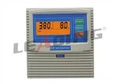
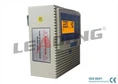


Hey there! As a supplier of Duplex Alternating Three Phase Pump Controllers, I've seen my fair share of issues when these controllers malfunction. It can be a real headache, but don't worry – I'm here to walk you through some troubleshooting steps to get your pump controller back up and running smoothly.
Understanding the Basics
First off, let's quickly go over what a Duplex Alternating Three Phase Pump Controller does. It's designed to control two pumps in an alternating pattern, which helps to evenly distribute the workload and extend the lifespan of the pumps. The three - phase power supply provides a more stable and efficient operation compared to single - phase.
When your controller malfunctions, it could be due to a variety of reasons, ranging from simple electrical issues to more complex internal component failures.
Initial Checks
The first thing you should do when you notice a problem is to perform some basic checks. These are quick and easy steps that can often identify the root cause of the issue.


Power Supply
Check if the power supply to the controller is working properly. Make sure the circuit breaker hasn't tripped. Sometimes, a power surge or an overloaded circuit can cause the breaker to trip. If the breaker has tripped, reset it and see if the controller starts working. If it trips again immediately, there might be a short circuit in the system.
Also, check the voltage of the power supply. Use a multimeter to measure the voltage at the input terminals of the controller. The voltage should be within the specified range for your controller. If the voltage is too low or too high, it can cause the controller to malfunction.
Wiring Connections
Inspect all the wiring connections. Loose, damaged, or corroded wires can disrupt the flow of electricity and cause problems. Make sure all the wires are securely connected to the appropriate terminals. Look for any signs of fraying, burning, or corrosion. If you find any damaged wires, replace them with new ones.
Pump Status
Check the pumps themselves. Make sure they are not clogged or jammed. A clogged pump can put extra strain on the controller and cause it to malfunction. Try manually turning the pump shaft to see if it rotates freely. If it doesn't, you may need to disassemble the pump and clean it or replace any damaged parts.
Advanced Troubleshooting
If the initial checks don't solve the problem, it's time to move on to more advanced troubleshooting steps.
Controller Display and Indicators
Most modern Duplex Alternating Three Phase Pump Controllers come with a display and indicators. Check the display for any error messages. These messages can provide valuable clues about what's going wrong. Refer to the controller's manual to interpret the error messages.
Some controllers also have LED indicators that show the status of different functions. For example, there might be an indicator for power, pump operation, and fault conditions. Pay attention to these indicators and see if they are showing any abnormal behavior.
Sensor Checks
Many pump controllers rely on sensors to monitor various parameters such as water level, pressure, and temperature. Check the sensors to make sure they are working correctly. You can use a sensor tester or a multimeter to check the output of the sensors. If a sensor is not working properly, it can cause the controller to make incorrect decisions and malfunction.
For example, if the water level sensor is not accurately detecting the water level, the controller may not start or stop the pumps at the right time. Replace any faulty sensors with new ones.
Internal Components
If all the external checks and sensor checks don't reveal the problem, the issue may lie within the internal components of the controller. This is where things get a bit more technical, and you may need some electrical knowledge or the help of a professional.
Check the printed circuit board (PCB) for any signs of damage, such as burnt components or loose solder joints. You can use a magnifying glass to get a closer look. If you find any damaged components, you may need to replace them. However, be careful when working with the PCB, as static electricity can damage the sensitive electronic components.
Common Malfunctions and Solutions
Let's take a look at some common malfunctions and their possible solutions.
Pumps Not Starting
- Power Issue: As mentioned earlier, check the power supply and circuit breaker. Also, make sure the controller is set to the correct operating mode.
- Sensor Problem: A faulty water level sensor or pressure sensor may prevent the pumps from starting. Check and replace the sensors if necessary.
- Internal Component Failure: A damaged relay or a blown fuse inside the controller can also cause the pumps not to start. Inspect the internal components and replace any faulty parts.
Pumps Not Stopping
- Sensor Malfunction: If the water level sensor or pressure sensor is not accurately detecting the water level or pressure, the pumps may not stop. Check and calibrate or replace the sensors.
- Controller Programming: The controller may be programmed incorrectly. Refer to the manual and make sure the start and stop settings are correct.
Erratic Pump Operation
- Electrical Interference: Electrical interference from other equipment in the vicinity can cause the controller to operate erratically. Try moving the controller away from any sources of interference or use shielded cables.
- Loose Connections: Loose wiring connections can cause intermittent problems. Check all the connections and tighten them if necessary.
Additional Resources
If you're still having trouble troubleshooting your Duplex Alternating Three Phase Pump Controller, we have some other products that might be of interest. You can check out our Duplex Single Phase Pump Control with Panel DOL Start, Intelligent Digital Duplex Sewage Pump Control, and Mobile Automatic Water Pump Controller with Starter. These products offer different features and may be a better fit for your specific needs.
Conclusion
Troubleshooting a Duplex Alternating Three Phase Pump Controller when it malfunctions can be a challenging task, but by following these steps, you can often identify and solve the problem. Remember to always prioritize safety when working with electrical equipment. If you're not comfortable performing the troubleshooting yourself, don't hesitate to seek the help of a professional.
If you're in the market for a new pump controller or need replacement parts, feel free to reach out to us. We're here to assist you with all your pump control needs and can help you find the best solution for your application.
References
- Pump Controller Manufacturer's Manuals
- Electrical Engineering Textbooks on Pump Control Systems