


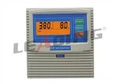
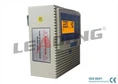


Hey there! As a supplier of Precise Single Phase Pump Control Panel Units, I've seen my fair share of issues that customers run into. In this blog, I'm gonna walk you through how to troubleshoot these units. By the end, you'll have a better idea of what to do when things go wrong.
1. Initial Checks
Before you start diving deep into the control panel unit, there are some basic checks you should do. First off, make sure the power supply is okay. A lot of times, the problem might just be a tripped circuit breaker or a blown fuse. Check your electrical panel and see if any breakers have been tripped. If so, reset them and see if the pump control panel powers up.
Also, take a look at the power cord. Is it damaged? Sometimes, the cord can get frayed or cut, which can disrupt the power flow. If you notice any damage, it's best to replace the cord right away.
Another thing to check is the connection between the pump and the control panel. Loose connections can cause all sorts of problems. Make sure all the wires are securely plugged in and there's no corrosion on the terminals. If you see any corrosion, you can clean it off with a wire brush.
2. Error Codes and Indicators
Most Precise Single Phase Pump Control Panel Units come with error codes and indicators. These are super helpful in figuring out what's wrong. Check the user manual that came with your unit. It'll have a list of error codes and what they mean.
For example, if you see a red light flashing and it corresponds to an over - load error code in the manual, it means the pump might be drawing too much current. This could be due to a blocked impeller or a problem with the motor. You'll need to further inspect the pump to find out the root cause.
If you're having trouble understanding the error codes, don't worry. You can always give us a shout, and we'll help you interpret them.
3. Pump Not Starting
One of the most common issues is the pump not starting. After you've done the initial power and connection checks, there are a few other things to look into.
First, check the pressure switch. The pressure switch is responsible for turning the pump on and off based on the water pressure. If it's malfunctioning, the pump won't start. You can test the pressure switch with a multimeter. Set the multimeter to the resistance setting and check if the switch is making a proper connection when the pressure changes.
Another possible cause could be a problem with the capacitor. The capacitor helps the motor start up. If it's bad, the motor won't have enough power to start. You can use a capacitor tester to check if the capacitor is working properly. If it's not, you'll need to replace it.
4. Pump Running Continuously
On the flip side, if the pump is running continuously, it's also a problem. This could be due to a faulty pressure switch as well. If the pressure switch isn't turning off the pump when the desired pressure is reached, the pump will keep running.


The float switch (if your unit has one) could also be the culprit. The float switch is used to control the water level. If it's stuck in the "on" position, the pump will keep running. Check the float switch to make sure it's moving freely and not obstructed.
5. Overheating
Overheating is a serious issue that can damage the pump and the control panel. If you notice that the control panel or the pump is getting too hot, stop the unit immediately.
The most common cause of overheating is over - loading. As mentioned earlier, a blocked impeller or a problem with the motor can cause the pump to draw too much current, which leads to overheating. Check the impeller for any debris or blockages and make sure the motor is running smoothly.
Another cause could be poor ventilation. Make sure the control panel has enough space around it for air to circulate. If it's installed in a confined space, consider moving it to a more open area.
6. Using Our Products to Solve Issues
We offer a range of high - quality Precise Single Phase Pump Control Panel Units that are designed to be reliable and easy to troubleshoot. For example, our One Button Calibration Single Phase Pump Control Panel for Single Phase with CE Certificate is super user - friendly. It has a simple one - button calibration feature that makes it easy to set up and adjust.
Our Wall Mounted Single Phase Pump Controller with Double Liquid Level Control is great for applications where you need to control the water level precisely. It has a double liquid level control system that ensures accurate operation.
And if you're looking for a control panel with overload protection, our Intelligent Single Phase Pump Control Panel Over Load Protection is the way to go. It can detect over - load situations and automatically shut down the pump to prevent damage.
7. When to Seek Professional Help
Sometimes, the problem might be too complex for you to solve on your own. If you've tried all the troubleshooting steps and you still can't figure out what's wrong, it's time to call in the pros.
We have a team of experienced technicians who can help you diagnose and fix the problem. Whether it's a major repair or just a simple adjustment, we've got you covered.
Conclusion
Troubleshooting a Precise Single Phase Pump Control Panel Unit might seem daunting at first, but with a little knowledge and some basic tools, you can handle a lot of common issues. Remember to do the initial checks, pay attention to error codes, and inspect the key components like the pressure switch, capacitor, and float switch.
If you're in the market for a new pump control panel unit or need help with an existing one, don't hesitate to reach out. We're here to assist you with all your pump control panel needs. Whether you're a homeowner, a contractor, or a business owner, we have the products and expertise to meet your requirements. Contact us today to start a discussion about your specific needs and let's find the perfect solution together.
References
- Manufacturer's User Manuals for Precise Single Phase Pump Control Panel Units
- Electrical Troubleshooting Guides for Pump Systems