




Hey there! As a supplier of Intelligent Pump Controllers, I've seen firsthand the amazing benefits these nifty devices bring to the table. In this blog, I'm gonna break down all the reasons why you should consider using an Intelligent Pump Controller for your pumping needs.
1. Energy Efficiency
One of the biggest perks of using an Intelligent Pump Controller is the significant energy savings it offers. Traditional pumps often run at a constant speed, regardless of the actual demand for water. This means they're using more energy than necessary, which can really add up over time.
An Intelligent Pump Controller, on the other hand, adjusts the pump's speed based on the real-time demand. For example, if you only need a small amount of water, the controller will slow down the pump, reducing energy consumption. According to some studies, using an intelligent controller can cut energy usage by up to 50%. That's a huge saving on your electricity bill!
Let's say you have a water supply system for a large building. With a regular pump, it would keep running at full speed all day, even during off-peak hours when water usage is low. But with an Intelligent Pump Controller, it can sense the reduced demand and adjust the pump's speed accordingly. This not only saves energy but also extends the lifespan of the pump by reducing wear and tear.
2. Precise Control
Another great advantage is the precise control that an Intelligent Pump Controller provides. You can set specific parameters for the pump, such as the desired pressure, flow rate, or water level. The controller will then monitor these variables and make sure the pump operates within the set limits.
For instance, if you're using a pump to fill an overhead tank, you can set the controller to turn off the pump when the tank is full. This prevents overfilling and potential water damage. You can also set it to turn the pump on when the water level drops below a certain point, ensuring a continuous supply of water.
The Automatic Submersible Water Pump Controller for Overhead Tank is a perfect example of a product that offers this kind of precise control. It's designed to automatically control the operation of submersible pumps based on the water level in the tank, making it a hassle-free solution for maintaining a stable water supply.

3. Protection for the Pump
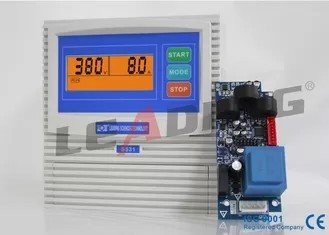
Intelligent Pump Controllers come with built-in protection features that help safeguard the pump from damage. They can detect issues such as overcurrent, overvoltage, and dry running. If any of these problems occur, the controller will automatically shut down the pump to prevent further damage.
Dry running, for example, can be a major problem for pumps. When there's no water in the system, the pump can overheat and burn out. An Intelligent Pump Controller can sense the lack of water and stop the pump before it's too late. This not only saves you the cost of replacing a damaged pump but also reduces downtime and keeps your system running smoothly.
The Three Phase Pump Control for Universal Pump is equipped with advanced protection mechanisms. It can monitor the electrical parameters of the pump and take appropriate action if any abnormal conditions are detected.
4. Remote Monitoring and Control
In today's digital age, remote monitoring and control are becoming increasingly important. Many Intelligent Pump Controllers offer this feature, allowing you to monitor and control the pump from anywhere using a smartphone, tablet, or computer.
This is especially useful for large-scale pumping systems or those located in remote areas. You can check the pump's status, adjust the settings, and receive alerts if there are any issues, all without having to be physically present at the pump site.
Imagine you have a pumping station in a rural area. With a remote-controlled Intelligent Pump Controller, you can keep an eye on it even when you're miles away. If there's a problem, you can quickly take action to fix it, minimizing the impact on your operations.
5. Easy Installation and Configuration
Installing and configuring an Intelligent Pump Controller is usually a straightforward process. Most controllers come with clear instructions and user-friendly interfaces, making it easy for even non-technical users to set them up.
The Digital Water Simplex Pump Controller Simple Debug is a great example of a controller that's easy to install and configure. It has a simple digital display and intuitive controls, allowing you to quickly set the parameters and get the pump up and running.
6. Improved System Performance
By using an Intelligent Pump Controller, you can improve the overall performance of your pumping system. The precise control and energy efficiency result in a more stable and reliable water supply. This is crucial for applications such as industrial processes, irrigation systems, and building water supply.
In an industrial setting, a stable water supply is essential for maintaining production levels. Any interruption in the water supply can lead to costly downtime. An Intelligent Pump Controller ensures that the pump operates at the optimal level, providing a consistent flow of water and minimizing the risk of disruptions.
7. Cost Savings in the Long Run
While the initial cost of an Intelligent Pump Controller may be higher than that of a traditional pump control system, the long-term cost savings are significant. The energy savings, reduced maintenance costs, and extended pump lifespan all contribute to a lower total cost of ownership.
Over time, the money you save on electricity bills and pump repairs will more than offset the initial investment. Plus, the improved system performance can lead to increased productivity and reduced losses, further enhancing the financial benefits.
Contact Us for More Information
If you're interested in learning more about Intelligent Pump Controllers or are looking to purchase one for your pumping system, don't hesitate to get in touch. We're here to answer any questions you may have and help you find the right solution for your needs. Whether you're a small business owner, a large industrial operator, or a homeowner, we have the expertise and products to meet your requirements.
References
- Energy Efficiency Standards for Pumps, International Energy Agency.
- Pump Control Systems: A Guide to Selection and Application, Hydraulic Institute.