




As a dedicated supplier of Three Phase Pump Control for Universal Pump, I've witnessed firsthand the transformative impact these control systems have on pump operations. These systems are not just components; they are the brains behind efficient, reliable, and safe pump performance. In this blog, I'll delve into the diagnostic functions of three - phase pump control for universal pumps, highlighting their importance and how they benefit various applications.
Over - current and Over - load Diagnosis
One of the primary diagnostic functions of three - phase pump control is over - current and over - load detection. In a three - phase pump system, an over - current situation can occur due to various reasons, such as a blocked impeller, a mechanical failure in the pump, or a short - circuit in the electrical system. The control system continuously monitors the current flowing through each phase of the pump motor. If the current exceeds a pre - set threshold, the control system will detect it as an over - current condition.
Over - load, on the other hand, is related to the power consumption of the pump. When the pump has to work harder than normal, for example, when pumping against a high head or with a high viscosity fluid, the power consumption increases. The three - phase pump control system can measure the power drawn by the pump and compare it with the rated power. If the power consumption is consistently above the rated value, it indicates an over - load situation.

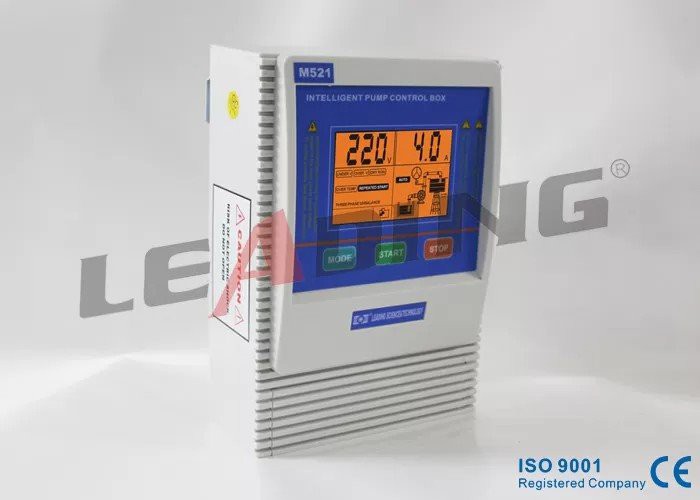
Once an over - current or over - load condition is detected, the control system can take appropriate actions. It may issue an alarm to alert the operator, or in more severe cases, it can automatically shut down the pump to prevent damage to the motor. This diagnostic function helps to extend the lifespan of the pump and reduces the risk of costly repairs. For more information on related pump control products, you can visit Auto Manual Single Phase Submersible Pump Control.
Phase Imbalance Diagnosis
In a three - phase electrical system, the three phases should ideally have equal voltage and current. However, in real - world applications, phase imbalances can occur due to uneven loading, faulty wiring, or problems with the power supply. Phase imbalance can cause several issues for the pump motor, such as increased heating, reduced efficiency, and premature failure.
The three - phase pump control system can monitor the voltage and current of each phase. By comparing the values of the three phases, it can detect any significant imbalances. If the difference in voltage or current between phases exceeds a certain limit, the control system will diagnose it as a phase imbalance.
When a phase imbalance is detected, the control system can again issue an alarm and may also shut down the pump to avoid long - term damage. Regular monitoring of phase imbalance helps to ensure the stable operation of the pump and maintains the efficiency of the entire system. If you are interested in submersible pump control solutions, Submersible Water Pump Control Box might be a good option for you.
Temperature Diagnosis
The temperature of the pump motor is a crucial parameter that reflects its operating condition. High temperatures can be caused by over - loading, poor ventilation, or electrical problems. Excessive heat can damage the insulation of the motor windings, leading to short - circuits and motor failure.
The three - phase pump control system can be equipped with temperature sensors to monitor the temperature of the motor. These sensors can be placed at critical points, such as the stator windings or the bearing housing. The control system continuously measures the temperature and compares it with the maximum allowable temperature for the motor.
If the temperature exceeds the safe limit, the control system will diagnose it as an over - temperature condition. It can then take actions such as reducing the pump speed or shutting down the pump to prevent further temperature increase. Temperature monitoring is an essential diagnostic function that helps to protect the pump motor from thermal damage. For advanced pump control with temperature monitoring capabilities, check out Intelligent Digital Pump Controller with 3 Phase Pump Control Panel.
Leakage Current Diagnosis
Leakage current is another important aspect to consider in pump operation. Leakage current can occur when there is a breakdown in the insulation of the motor or the electrical wiring. It not only poses a safety hazard to the operators but can also lead to electrical malfunctions in the pump system.
The three - phase pump control system can measure the leakage current. By comparing the measured value with the normal leakage current level, it can detect any abnormal increases. If the leakage current exceeds a pre - determined threshold, the control system will diagnose it as a leakage current problem.
Upon detecting a leakage current issue, the control system can immediately shut down the pump and issue an alarm. This helps to prevent electrical shocks and protects the pump and the surrounding equipment from damage.
Cavitation Diagnosis
Cavitation is a phenomenon that occurs when the pressure in the pump drops below the vapor pressure of the fluid, causing the formation of vapor bubbles. These bubbles then collapse when they move to a higher - pressure region, generating shock waves that can damage the pump impeller and other components.
The three - phase pump control system can diagnose cavitation by monitoring the vibration and noise levels of the pump. Cavitation typically causes an increase in vibration and a distinct noise pattern. The control system can analyze the vibration and noise signals using advanced signal processing techniques.
If the vibration and noise levels exceed the normal range, it indicates a possible cavitation problem. The control system can then adjust the pump operating parameters, such as the speed or the flow rate, to eliminate or reduce cavitation. This diagnostic function helps to maintain the performance and reliability of the pump.
Diagnostic Benefits in Different Applications
The diagnostic functions of three - phase pump control are beneficial in a wide range of applications. In industrial settings, such as chemical plants and oil refineries, pumps are used to transfer various fluids. The diagnostic functions help to ensure the continuous operation of the pumps, preventing costly production downtime. In water treatment plants, pumps are responsible for moving large volumes of water. By detecting and preventing pump failures, the control system helps to maintain the water supply and treatment processes.
In building services, pumps are used for heating, ventilation, and air - conditioning (HVAC) systems. The diagnostic functions of the three - phase pump control system can optimize the pump operation, reducing energy consumption and improving the comfort of the building occupants.
Conclusion
The diagnostic functions of three - phase pump control for universal pumps are essential for ensuring the efficient, reliable, and safe operation of pumps. From over - current and over - load detection to cavitation diagnosis, these functions help to protect the pump from various problems and extend its lifespan.
As a supplier of Three Phase Pump Control for Universal Pump, I understand the importance of these diagnostic functions. Our products are designed to provide accurate and reliable diagnostics, helping our customers to achieve better pump performance and reduce operating costs.
If you are interested in learning more about our three - phase pump control products or have any questions about pump control in general, please feel free to contact us for a detailed discussion and potential procurement opportunities. We look forward to working with you to find the best pump control solutions for your specific needs.
References
- Pump Handbook, Karassik, I. J., Messina, J. P., Cooper, P., & Heald, C. C. (2008).
- Electrical Engineering Handbook, Dorf, R. C. (2004).
- Industrial Pump Systems: Operation, Application, and Maintenance, Bloch, H. P., & Hoefner, F. K. (2012).