


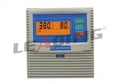
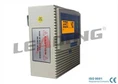


In the realm of water management systems, water pump controllers play a pivotal role in ensuring efficient and reliable operation of water pumps. These devices are designed to regulate the functioning of pumps based on various parameters, such as water level, pressure, and flow rate. Over the years, the technology has evolved significantly, leading to the development of multifunction wireless water pump controllers. As a supplier of multifunction wireless water pump controllers, I am excited to delve into the differences between a regular water pump controller and a multifunction wireless water pump controller.


1. Basic Functionality
A regular water pump controller typically offers fundamental functions that are essential for the operation of a water pump. It is primarily designed to start and stop the pump based on a pre - set water level or pressure. For example, in a domestic water supply system, a regular controller can be set to turn on the pump when the water level in a storage tank drops below a certain point and turn it off when the tank is full. This basic on - off control mechanism is simple and effective for many standard applications.
On the other hand, a multifunction wireless water pump controller takes functionality to a whole new level. In addition to the basic on - off control, it can perform a wide range of additional functions. It can monitor multiple parameters simultaneously, such as water level, pressure, temperature, and flow rate. For instance, in an agricultural irrigation system, it can adjust the pump operation based on the soil moisture level, ensuring that the crops receive the right amount of water at the right time. Moreover, it can provide real - time data logging, which is useful for analyzing the pump's performance over time and for preventive maintenance.
2. Control and Monitoring
Regular water pump controllers usually offer limited control options. They are often hard - wired to the pump and a control panel, which means that the user has to be physically present at the control panel to make any adjustments. For example, if the user wants to change the set point of the water level for pump activation, they need to access the control panel and manually adjust the settings. This lack of flexibility can be a significant drawback, especially in large - scale applications where the pump is located in a remote area.
In contrast, a multifunction wireless water pump controller provides remote control and monitoring capabilities. Through a wireless connection, such as Wi - Fi or Bluetooth, users can access the controller from anywhere using a smartphone, tablet, or computer. This allows for easy adjustment of settings, real - time monitoring of pump status, and immediate response to any issues. For example, a farmer can monitor and control the irrigation pump from the comfort of their office or even while on the go. This remote access not only enhances convenience but also improves the overall efficiency of the water management system.
3. Installation and Setup
Installing a regular water pump controller can be a complex and time - consuming process. It involves running wires from the pump to the control panel, which may require digging trenches or drilling holes in walls. This not only adds to the installation cost but also makes it difficult to modify or expand the system in the future. Additionally, the wiring can be susceptible to damage from environmental factors, such as moisture, rodents, or physical impact.
A multifunction wireless water pump controller, on the other hand, simplifies the installation process. Since it uses wireless technology, there is no need for extensive wiring. The controller can be easily mounted near the pump, and the wireless connection can be established within minutes. This reduces the installation time and cost significantly. Moreover, it makes the system more flexible and easier to relocate or expand if needed. For example, if a business decides to move its water pump to a different location, a wireless controller can be quickly reinstalled without the hassle of rewiring.
4. Compatibility and Integration
Regular water pump controllers are often designed to work with specific types of pumps and systems. They may have limited compatibility with other devices or components, which can restrict the overall functionality of the water management system. For example, they may not be able to communicate with other sensors or monitoring devices, making it difficult to create a comprehensive and integrated system.
Multifunction wireless water pump controllers are designed with compatibility and integration in mind. They can easily interface with a variety of sensors, such as water level sensors, pressure sensors, and flow meters. They can also be integrated with other smart home or industrial automation systems. For example, it can be connected to a home automation system, allowing the user to control the water pump along with other household appliances. This integration capability enables the creation of a more intelligent and efficient water management system.
5. Cost Considerations
When it comes to cost, regular water pump controllers are generally more affordable upfront. They have a simpler design and use less advanced technology, which makes them less expensive to manufacture. However, when considering the long - term cost, a multifunction wireless water pump controller may prove to be more cost - effective.
The remote monitoring and control capabilities of a wireless controller can help reduce energy consumption by optimizing the pump operation. For example, it can adjust the pump speed based on the actual water demand, preventing over - pumping and saving electricity. Additionally, the real - time data logging and analysis can help detect potential issues early, reducing the need for costly repairs and downtime. Moreover, the ease of installation and flexibility of a wireless controller can save on installation and maintenance costs in the long run.
Product Examples
If you are interested in exploring some of the advanced water pump control solutions, we offer several products that showcase the capabilities of multifunction controllers. Check out our Simplex Pump Controller Wall Mounting with Auto Manual Control, which provides a combination of easy installation and advanced control features. Another great option is our Single Pump Motor Control Panel Mobile Operated, allowing you to operate the pump from your mobile device. And for those looking for an intelligent system, our Simplex Pump Controller Intelligent Water Pump Control System offers comprehensive monitoring and control functions.
Conclusion
In conclusion, while regular water pump controllers have their place in simple and cost - sensitive applications, multifunction wireless water pump controllers offer a wide range of advantages in terms of functionality, control, installation, compatibility, and long - term cost. As a supplier of multifunction wireless water pump controllers, we are committed to providing high - quality products that can meet the diverse needs of our customers. Whether you are a homeowner, a farmer, or an industrial user, our controllers can help you optimize your water management system and improve its efficiency.
If you are interested in learning more about our multifunction wireless water pump controllers or would like to discuss your specific requirements, we encourage you to contact us for a detailed discussion. Our team of experts is ready to assist you in finding the best solution for your water pumping needs.
References
- "Water Pump Control Systems: A Comprehensive Guide" by Pump Technology Institute
- "Wireless Sensor Networks for Water Management" by Journal of Water Resources Management
- "Advancements in Water Pump Controller Technology" by International Journal of Hydraulic Engineering