


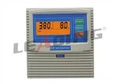
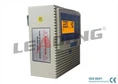


As a supplier of three - phase submersible pump control boxes, I've witnessed firsthand the diverse needs of customers and the wide range of control box models available in the market. Each model comes with its own set of features, advantages, and applications. In this blog, I'll delve into the differences between different models of three - phase submersible pump control boxes, helping you make an informed decision when it comes to purchasing the right one for your specific requirements.
Basic Functionality and Design
At the most fundamental level, all three - phase submersible pump control boxes are designed to control the operation of three - phase submersible pumps. They provide protection for the pump motor, manage the start - stop process, and ensure efficient and safe operation. However, different models may have varying levels of sophistication in terms of their basic functionality.
Some of the more basic models are primarily focused on simple on - off control. These control boxes are often used in applications where the pump needs to be manually started and stopped, such as in small - scale irrigation systems or basic water supply setups. They typically have a straightforward design with a few essential components like contactors, overload relays, and switches. For example, the Auto Manual 3 Phase Pump Control Panel offers a combination of manual and automatic control options, which is suitable for users who may need to intervene in the pump operation from time to time.
On the other hand, more advanced models come with additional features for automatic operation. These can include functions like level sensing, which allows the pump to start and stop based on the water level in a tank or well. This is particularly useful in applications where maintaining a specific water level is crucial, such as in water storage tanks for domestic or industrial use.
Protection Features
One of the most important aspects of a three - phase submersible pump control box is its ability to protect the pump motor from damage. Different models offer different levels of protection.
Overload protection is a standard feature in most control boxes. It prevents the pump motor from overheating by automatically shutting off the power when the current drawn by the motor exceeds a certain limit. This is essential because prolonged overloading can cause serious damage to the motor windings and reduce the lifespan of the pump.
Some high - end models also provide protection against phase loss, phase imbalance, and under - voltage or over - voltage conditions. Phase loss occurs when one of the three phases in the electrical supply is interrupted, which can lead to uneven loading on the motor and cause it to overheat. Phase imbalance refers to a situation where the voltages or currents in the three phases are not equal. Under - voltage or over - voltage conditions can also have a negative impact on the pump motor's performance and reliability. The 6 PCS Duplex GSM Based Pump Controller is an example of a model that offers comprehensive protection features, ensuring the safe and stable operation of the pump under various electrical conditions.
Control Modes
The control mode of a three - phase submersible pump control box determines how the pump is operated. There are several common control modes, each with its own advantages and applications.
Manual control mode is the simplest form of operation. In this mode, the user manually starts and stops the pump using a switch on the control box. This is suitable for applications where the pump needs to be operated intermittently or where the water demand is relatively stable and predictable.
Automatic control mode, on the other hand, allows the pump to operate without constant manual intervention. As mentioned earlier, this can be based on water level sensing, pressure sensing, or other parameters. For example, in a well - water system, the pump can be set to start when the water level in the well drops below a certain level and stop when the level rises back to a pre - determined point.

Some control boxes also offer remote control functionality. With the advancement of technology, it is now possible to control the pump from a distance using a cell phone or other remote devices. The Digital Water Pump Control Box Cell Phone Based Remote Controller enables users to monitor and control the pump operation from anywhere, providing greater convenience and flexibility.
Communication and Monitoring Capabilities
In modern three - phase submersible pump control boxes, communication and monitoring capabilities have become increasingly important. These features allow users to keep track of the pump's operation status, receive alerts in case of any problems, and even adjust the settings remotely.
Some control boxes are equipped with GSM (Global System for Mobile Communications) technology, which enables them to send and receive text messages. This means that users can receive real - time notifications about the pump's status, such as when it starts, stops, or if there is a fault. They can also send commands to the control box via text messages to adjust the settings or override the automatic operation.
In addition to GSM, some models support other communication protocols, such as Modbus or Ethernet. These protocols allow the control box to be integrated into a larger control system, enabling centralized monitoring and control of multiple pumps. This is particularly useful in industrial or commercial applications where there are multiple pumps operating in different locations.
Application - Specific Considerations
The choice of a three - phase submersible pump control box also depends on the specific application. Different applications have different requirements in terms of pump capacity, water flow rate, and operating conditions.
For domestic water supply systems, a control box with basic functionality and reliable protection features is usually sufficient. It should be easy to install and operate, and it should be able to handle the water demand of a typical household.

In agricultural irrigation systems, the control box needs to be able to handle larger pumps and higher water flow rates. It may also need to be compatible with different types of irrigation equipment, such as sprinklers or drip irrigation systems. Additionally, since irrigation systems are often located outdoors, the control box should be weather - resistant and able to withstand harsh environmental conditions.
Industrial applications, on the other hand, may require more advanced control boxes with sophisticated features. These can include high - precision control, remote monitoring, and integration with other industrial control systems. Industrial pumps often operate under more demanding conditions, so the control box needs to provide comprehensive protection and reliable performance.
Conclusion
In conclusion, there are significant differences between different models of three - phase submersible pump control boxes. When choosing a control box, it is important to consider factors such as basic functionality, protection features, control modes, communication and monitoring capabilities, and application - specific requirements.
As a supplier, we offer a wide range of three - phase submersible pump control boxes to meet the diverse needs of our customers. Whether you need a simple manual control box for a small - scale application or a high - end, feature - rich control box for an industrial project, we have the right solution for you.
If you are interested in learning more about our three - phase submersible pump control boxes or would like to discuss your specific requirements, please feel free to contact us. We are committed to providing you with the best products and services to ensure the efficient and reliable operation of your pump system.
References
- Pump Control Handbook, Various Industry Publications
- Electrical Engineering Principles for Pump Systems, Academic Journals
- Manufacturer's Manuals for Three - Phase Submersible Pump Control Boxes