


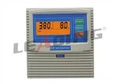
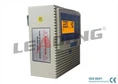


Hey there! I'm a supplier of monophase pump control devices specifically for the Egypt market. In this blog, I'll walk you through the grounding requirements for these devices in Egypt, sharing some insights based on my experience in the industry.
Why Grounding is Crucial for Monophase Pump Control Devices
First off, let's talk about why grounding is so important. Grounding serves as a safety measure that protects both the equipment and the people using it. When a fault occurs in the electrical system of a monophase pump control device, such as a short - circuit, proper grounding provides a path for the electrical current to flow safely into the ground. This helps prevent electrical shocks to operators and reduces the risk of damage to the pump and the control device itself.
In Egypt, like in many countries, electrical safety regulations are in place to ensure that all electrical installations, including monophase pump control devices, are properly grounded. These regulations are designed to minimize the potential for electrical fires, equipment failures, and personal injuries.
Egypt's Electrical Safety Standards for Grounding
Egypt follows a set of electrical safety standards that are in line with international best practices. The Egyptian Organization for Standardization and Quality Control (EOS) has established guidelines for grounding electrical equipment. For monophase pump control devices, these standards specify the requirements for grounding conductors, grounding electrodes, and the overall grounding system.
Grounding Conductors
The grounding conductor is the wire that connects the electrical equipment to the grounding electrode. In Egypt, the size of the grounding conductor for a monophase pump control device depends on the rated current of the device. Generally, a larger rated current requires a thicker grounding conductor. For example, for a small - scale monophase pump control device with a low rated current, a 6 - AWG (American Wire Gauge) grounding conductor might be sufficient. However, for larger devices with higher rated currents, a 4 - AWG or even larger conductor may be required.
It's important to use high - quality grounding conductors that are made of copper or other suitable conductive materials. Copper is preferred because of its excellent electrical conductivity and corrosion resistance. The grounding conductor should be installed in a way that minimizes the risk of damage, such as being protected from physical impact and chemical exposure.
Grounding Electrodes
The grounding electrode is the part of the grounding system that is in direct contact with the earth. In Egypt, common types of grounding electrodes used for monophase pump control devices include ground rods, ground plates, and concrete - encased electrodes.
Ground rods are typically made of copper - clad steel or solid copper. They are driven into the ground to a certain depth, usually at least 2.5 meters. The number of ground rods required depends on the soil resistivity. In areas with high soil resistivity, multiple ground rods may need to be installed and connected together to achieve a low - resistance grounding system.
Ground plates are another option. They are usually made of copper or galvanized steel and are buried horizontally in the ground. Concrete - encased electrodes are also used, especially in areas where the soil conditions are not ideal for other types of electrodes. These electrodes are embedded in concrete, which helps to improve the electrical contact with the earth.
Overall Grounding System
The overall grounding system for a monophase pump control device in Egypt should be designed to provide a low - resistance path to the earth. This means that all the components of the grounding system, including the grounding conductors and electrodes, should be properly connected and installed.
The grounding system should be tested regularly to ensure that it meets the required resistance values. In Egypt, the maximum allowable grounding resistance for electrical equipment is typically specified in the electrical safety standards. If the grounding resistance is too high, it may indicate a problem with the grounding system, such as a loose connection or a damaged electrode.
Our Monophase Pump Control Devices and Grounding
As a supplier of monophase pump control devices for the Egypt market, we understand the importance of meeting the grounding requirements. Our products, such as the Precise Single Phase Pump Control Panel Unit, Single Phase Pump Control Panel Box 0.37 - 2.2KW S521 for Africa Market, and Durable AC220V Single Phase Pump Control Panel, are designed with grounding in mind.
We ensure that our control devices have proper grounding terminals and that the internal wiring is arranged in a way that facilitates easy and safe grounding. We also provide detailed installation instructions that include information on grounding requirements. Our technical support team is available to assist customers in understanding and implementing the grounding requirements for our products.
Meeting the Grounding Requirements in Practice
When installing a monophase pump control device in Egypt, it's essential to follow the grounding requirements step - by - step. Here's a general guide on how to do it:


Step 1: Plan the Grounding System
Before installing the pump control device, assess the site and plan the grounding system. Determine the type and number of grounding electrodes needed based on the soil conditions and the rated current of the device. Make sure to leave enough space for the installation of the grounding electrodes.
Step 2: Install the Grounding Electrodes
Install the grounding electrodes according to the manufacturer's instructions. If using ground rods, drive them into the ground to the required depth. If using ground plates or concrete - encased electrodes, bury them at the appropriate location and depth.
Step 3: Connect the Grounding Conductor
Connect the grounding conductor from the grounding terminal of the pump control device to the grounding electrode. Use proper connectors and ensure that the connection is tight and secure.
Step 4: Test the Grounding System
After the installation is complete, test the grounding system to measure the grounding resistance. Use a grounding resistance tester to perform the test. If the resistance value is within the acceptable range specified by the Egyptian electrical safety standards, the grounding system is considered to be properly installed.
Conclusion
In conclusion, proper grounding is a critical aspect of installing and operating monophase pump control devices in the Egypt market. By following the grounding requirements set by the Egyptian electrical safety standards, we can ensure the safety and reliability of these devices.
As a supplier, we are committed to providing high - quality monophase pump control devices that meet all the necessary grounding requirements. If you're interested in purchasing our products or have any questions about grounding or our monophase pump control devices, feel free to reach out to us. We're here to help you make the right choice for your pumping needs in Egypt.
References
- Egyptian Organization for Standardization and Quality Control (EOS) Electrical Safety Standards
- International Electrotechnical Commission (IEC) Standards related to grounding of electrical equipment