


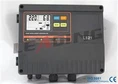
Hey there! As a supplier of submersible water pump control boxes, I've got a good deal of hands - on experience with these nifty devices. So, I thought I'd share with you what the main components of a submersible water pump control box are.
First off, let's talk about the circuit breaker. It's like the bodyguard of the control box. The circuit breaker is there to protect the whole system from overloads and short - circuits. If there's too much current flowing through the system, the circuit breaker will trip, cutting off the power. This prevents any damage to the pump and other components in the control box. Without a proper circuit breaker, you could end up with a fried pump or even start a fire. It's a crucial safety feature that you don't want to skimp on.
Next up is the contactor. The contactor is responsible for turning the pump on and off. It acts like a switch, but a really heavy - duty one. When you send a signal to start the pump, the contactor closes the circuit, allowing electricity to flow to the pump motor. And when it's time to stop the pump, the contactor opens the circuit. It can handle a lot of current, which is necessary because submersible pumps often require a significant amount of power to operate.
Now, the thermal overload relay is another important part. This component monitors the temperature of the pump motor. If the motor gets too hot, which could happen due to an overload or a mechanical problem, the thermal overload relay will disconnect the power. It's like a safety valve for the motor. Overheating can cause serious damage to the motor windings, so the thermal overload relay helps to prevent that.
The control transformer is also key. It takes the high - voltage power from the main electrical supply and steps it down to a lower, safer voltage for the control circuits in the box. This is important because the control circuits are made up of sensitive components that can't handle high voltages. The control transformer ensures that these components receive the right amount of power to function properly.
Then we have the pressure switch. This is especially important in systems where the pump is used to maintain a certain water pressure. The pressure switch senses the water pressure in the system. When the pressure drops below a set point, it sends a signal to the contactor to start the pump. And when the pressure reaches the upper set point, it signals the contactor to stop the pump. It helps to keep the water pressure stable and ensures that the pump doesn't run continuously when it's not needed.
In addition to these basic components, many modern submersible water pump control boxes also come with intelligent features. For example, there are Three Phase Intelligent Pump Controller Wall Mounting and Intelligent Pump Controller Wiht 3 Phase Submersible Control Panel. These intelligent controllers can offer functions like remote monitoring, automatic fault diagnosis, and energy - saving modes. They use advanced sensors and microprocessors to optimize the operation of the pump.
There's also the Auto Manual Single Phase Submersible Pump Control. This type of control box gives you the option to operate the pump either automatically or manually. In automatic mode, it follows the pre - set rules based on pressure or other parameters. In manual mode, you can turn the pump on or off whenever you want.


Another component that might be present in some control boxes is the capacitor. Capacitors are used to improve the power factor of the pump motor. A better power factor means that the motor uses electricity more efficiently, which can save you money on your energy bills in the long run.
Now, let's talk about the enclosure. The enclosure is the outer casing of the control box. It protects all the internal components from dust, moisture, and physical damage. It needs to be made of a durable material, like stainless steel or heavy - duty plastic. A good enclosure also has proper ventilation to prevent the components from overheating.
Wiring is also an often - overlooked but essential part. The wiring connects all the components together. It needs to be of high - quality to ensure a reliable electrical connection. Poor wiring can lead to voltage drops, short - circuits, and other electrical problems. So, when it comes to wiring, it's important to use the right gauge and type of wire.
The control panel is where you can see all the status indicators and make adjustments. It usually has lights to show whether the pump is running, if there's a fault, or if the power is on. Some control panels also have buttons or dials that allow you to set the pressure levels, adjust the timing, or change other operating parameters.
If you're in the market for a submersible water pump control box, you want to make sure all these components are of high quality. A well - made control box can make your pump system more reliable, efficient, and safe. Whether you're using the pump for a small residential water supply or a large industrial application, having a good control box is crucial.
If you're interested in learning more about our submersible water pump control boxes or if you want to discuss a potential purchase, don't hesitate to reach out. We're here to help you find the right solution for your needs.
References:
- Electrical Engineering Handbook: Covers basic electrical components and their functions in pump control systems.
- Pump Manufacturer's Manuals: Provide specific information about pump operation and the requirements for control boxes.