


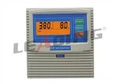


As a supplier of Three Phase Submersible Pump Control Boxes, I've encountered numerous inquiries from customers regarding the tripping issues of these control boxes. This blog aims to delve into the various reasons behind such occurrences, offering valuable insights for users and potential buyers.
Electrical Overload
One of the most common reasons for the tripping of a three - phase submersible pump control box is electrical overload. When the pump draws more current than the control box is rated to handle, the overload protection mechanism is triggered, leading to a trip. This can happen due to several factors.
Firstly, a blocked or clogged pump impeller can cause the motor to work harder, resulting in increased current consumption. For example, if debris such as sand, leaves, or small rocks enters the pump, it can get stuck in the impeller, restricting its movement. As the motor tries to overcome this resistance, the current draw rises significantly.
Secondly, incorrect pump sizing can also lead to overload. If a pump with a higher power requirement is installed in a system where the control box is not properly rated, it will draw excessive current. For instance, a large - capacity pump used in a small - scale water supply system may demand more power than the control box can supply safely.
Phase Imbalance
Phase imbalance is another critical factor that can cause the control box to trip. In a three - phase electrical system, the three phases should have equal voltage and current levels. However, various issues can disrupt this balance.
Faulty wiring is a common cause of phase imbalance. Loose connections, damaged cables, or incorrect wiring configurations can lead to unequal distribution of current among the phases. For example, if one of the phase wires has a poor connection, it will have higher resistance, causing a decrease in voltage and an increase in current in that phase.
Power supply problems can also contribute to phase imbalance. Issues with the utility grid, such as voltage fluctuations or problems with the transformer, can result in uneven voltage across the three phases. When the phase imbalance exceeds a certain threshold, the control box's protective relays will trip to prevent damage to the pump motor.
Overheating
Overheating is a significant concern that can lead to the tripping of the control box. The control box contains various electrical components, such as contactors, relays, and circuit breakers, which generate heat during operation. If this heat is not dissipated effectively, it can cause the components to malfunction and trigger the trip mechanism.
Poor ventilation is a primary cause of overheating. If the control box is installed in an enclosed space without proper ventilation, the heat generated by the components will accumulate inside the box. For example, if the control box is placed in a small cabinet with no air vents, the temperature inside can rise rapidly.
Excessive ambient temperature can also exacerbate the overheating problem. In hot climates or industrial environments with high - temperature conditions, the control box may struggle to maintain a safe operating temperature. The increased ambient temperature reduces the efficiency of the heat - dissipation mechanisms, leading to overheating and eventual tripping.
Ground Faults
Ground faults occur when an electrical current flows through an unintended path to the ground. This can be extremely dangerous and can cause the control box to trip.
Insulation breakdown is a common cause of ground faults. Over time, the insulation on the electrical wires and components inside the control box can deteriorate due to factors such as moisture, heat, or mechanical stress. When the insulation breaks down, the current can leak to the ground, triggering the ground - fault protection device in the control box.
External factors such as water ingress can also lead to ground faults. If the control box is not properly sealed and water enters the box, it can create a conductive path to the ground. For example, in outdoor installations, heavy rain or flooding can cause water to seep into the control box, resulting in a ground fault.
Malfunctioning Components
The control box consists of several components, and a malfunction in any of these can cause it to trip.
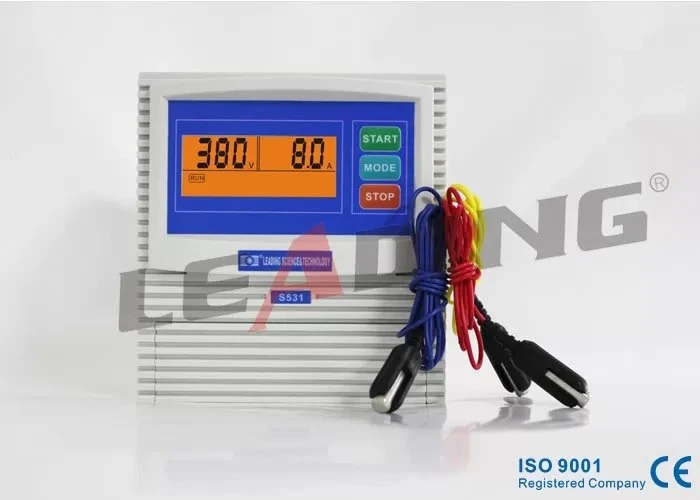

Contactors are responsible for controlling the flow of electrical current to the pump motor. If a contactor fails to close or open properly, it can cause abnormal current flow and trigger the trip. For example, if the contacts of a contactor become worn or damaged, they may not make a good connection, leading to arcing and increased resistance.
Relays are used for various functions such as overload protection, phase monitoring, and control. A faulty relay can send incorrect signals to the control box, causing it to trip unnecessarily. For instance, if a relay's coil is damaged, it may not operate as intended, leading to false tripping.
Voltage Fluctuations
Voltage fluctuations in the power supply can have a significant impact on the operation of the three - phase submersible pump control box.
Low voltage can cause the pump motor to draw more current to maintain its output power. This increased current can overload the control box and trigger the trip mechanism. For example, during peak demand periods, the voltage in the power grid may drop, causing the pump motor to work harder.
High voltage, on the other hand, can damage the electrical components in the control box. Excessive voltage can cause insulation breakdown, overheating, and premature failure of components such as capacitors and resistors. When the components are damaged, the control box may trip to protect itself.
Solutions and Recommendations
To prevent the tripping of the three - phase submersible pump control box, several measures can be taken.
Regular maintenance is crucial. This includes checking the pump impeller for blockages, inspecting the wiring for loose connections or damage, and cleaning the control box to ensure proper ventilation.
Proper sizing of the pump and control box is essential. Ensure that the control box is rated to handle the power requirements of the pump.
Investing in high - quality components can also reduce the risk of tripping. Our company offers a range of reliable products, such as the 6 PCS Duplex GSM Based Pump Controller, the Intelligent Three Phase Pump Control Panel Easy Maintansess, and the Single Sewage Pump Controller. These products are designed with advanced protection features to minimize the risk of tripping.
If you are experiencing tripping issues with your three - phase submersible pump control box or are looking to purchase a new one, we invite you to contact us for a detailed discussion. Our team of experts can provide you with customized solutions based on your specific requirements.
References
- Electrical Installation Handbook, Schneider Electric
- Pump Handbook, Karassik et al.
- Electrical Engineering for Non - Electrical Engineers, Dennis M. Grob