


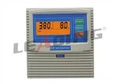
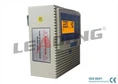


Hey there! As a supplier of Single Sewage Pump Controllers, I often get asked about the typical start and stop levels for these nifty devices. So, I thought I'd sit down and write this blog to share some insights on this topic.
First off, let's understand what a single sewage pump controller does. It's a crucial component in a sewage pumping system. Its main job is to control when the sewage pump starts and stops, ensuring that the sewage is pumped out efficiently and the system doesn't get overloaded.
Factors Affecting Start and Stop Levels
There are several factors that influence the typical start and stop levels of a single sewage pump controller. One of the most important ones is the size of the sewage pit or tank. A larger tank can hold more sewage, so the pump might not need to start as frequently. On the other hand, a smaller tank will fill up faster, requiring the pump to start more often.
The flow rate of the incoming sewage also plays a big role. If the sewage is flowing into the tank at a high rate, the pump needs to start earlier to keep up with the inflow. Conversely, if the flow rate is low, the pump can wait until the sewage level in the tank reaches a higher point before starting.


Another factor is the capacity of the pump itself. A more powerful pump can handle a larger volume of sewage in a shorter time. So, it might be set to start at a lower level and stop at a higher level compared to a less powerful pump.
Typical Start Levels
In general, the start level for a single sewage pump controller is usually set based on the minimum operating requirements of the pump. Most pumps need a certain amount of sewage in the tank to operate effectively and avoid damage. This is often referred to as the "priming" level.
For residential sewage systems, the start level is typically set around 8 to 12 inches above the bottom of the sewage pit. This gives the pump enough sewage to work with and helps prevent it from running dry, which can cause overheating and damage to the pump motor.
In commercial or industrial settings, where the volume of sewage is much larger, the start level might be set higher, around 12 to 18 inches above the bottom of the tank. This allows for a larger buffer of sewage to accumulate before the pump starts, reducing the frequency of pump starts and stops.
Typical Stop Levels
The stop level is determined by the maximum capacity of the sewage tank and the ability of the pump to empty it. Once the pump has removed enough sewage from the tank, it needs to stop to prevent over - pumping and potential damage to the pump or the system.
For residential systems, the stop level is usually set around 2 to 4 inches above the bottom of the pit. This leaves a small amount of sewage in the tank to keep the pump primed for the next cycle.
In commercial and industrial applications, the stop level can be set higher, around 4 to 6 inches above the bottom of the tank. This is because these systems often have larger tanks and more powerful pumps, and leaving a bit more sewage in the tank helps ensure smooth operation.
Importance of Proper Setting
Setting the start and stop levels correctly is crucial for the efficient and reliable operation of the sewage pumping system. If the start level is set too high, the pump might not start in time, leading to sewage overflow. On the other hand, if the start level is set too low, the pump might run dry and get damaged.
Similarly, if the stop level is set too high, the tank won't be emptied properly, which can lead to blockages and other problems. If the stop level is set too low, the pump might over - pump and cause unnecessary wear and tear.
Our Single Sewage Pump Controller
At our company, we offer a high - quality Single Sewage Pump Controller. It's designed with advanced technology to accurately control the start and stop levels of the sewage pump. Our controller is easy to install and adjust, allowing you to customize the start and stop levels according to your specific needs.
We also have other great products like the Integrated Design Submersible Water Pump Control Panel Transient Surge Protection and the Industrial Three Phase Pump Control Panel with Pressure Switch Pressure Tank Control. These products are built to last and provide reliable performance in various sewage pumping applications.
Contact Us for Purchase
If you're in the market for a single sewage pump controller or any of our other pump control products, we'd love to hear from you. Whether you're a homeowner looking to upgrade your residential sewage system or a business owner in need of a commercial - grade solution, we have the right product for you. Contact us today to discuss your requirements and get a quote. We're here to help you find the best pump control solution for your needs.
References
- "Sewage Pumping Systems: Design and Operation" - A comprehensive guide on sewage pumping systems and their components.
- "Pump Handbook" - A well - known reference book that covers various aspects of pump operation and control.