




Hey there! As a supplier of three - phase pump control panels, I've been getting a lot of questions about ventilation requirements. So, I thought I'd sit down and write this blog to share some insights on this crucial topic.


Let's start by understanding why ventilation is so important for a three - phase pump control panel. You see, these control panels house electrical components that generate heat during operation. If this heat isn't properly managed, it can lead to a whole host of problems. High temperatures can cause the components to degrade faster, reducing their lifespan. It can also lead to malfunctions, which can disrupt the operation of the pump and even cause safety hazards.
Now, let's talk about the specific ventilation requirements. The first thing to consider is the size of the control panel. A larger panel is likely to have more components and, therefore, generate more heat. As a general rule, the bigger the panel, the more ventilation it needs. You can calculate the required ventilation rate based on the heat dissipation of the components inside the panel.
The type of components in the panel also matters. Some components, like transformers and power resistors, generate more heat than others. If your panel has a lot of these high - heat - generating components, you'll need to up the ventilation game.
Another factor is the environment in which the control panel is installed. If it's in a hot and humid area, the ventilation requirements will be higher. The same goes for areas with poor air circulation. For example, if the panel is placed in a cramped corner of a room with no windows or fans, it'll need extra ventilation to keep cool.
There are two main types of ventilation systems for three - phase pump control panels: natural ventilation and forced ventilation.
Natural ventilation relies on the natural movement of air. It works by creating openings in the control panel, like vents or louvers. Hot air rises and escapes through the upper vents, while cooler air is drawn in through the lower vents. This creates a natural airflow that helps to dissipate heat. The advantage of natural ventilation is that it's simple and doesn't require any additional power. However, it may not be sufficient for panels that generate a large amount of heat or are installed in less - than - ideal environments.
Forced ventilation, on the other hand, uses fans to move air through the panel. There are two types of fans commonly used: exhaust fans and intake fans. Exhaust fans pull hot air out of the panel, while intake fans push cool air in. You can use a combination of both for better results. Forced ventilation is more effective at removing heat, especially in high - heat situations. But it does require power and regular maintenance to keep the fans in good working condition.
When designing the ventilation system for your three - phase pump control panel, you also need to consider the placement of the vents and fans. The vents should be strategically placed to ensure proper airflow. For example, the intake vents should be located at the bottom of the panel to draw in cool air, and the exhaust vents should be at the top to let out hot air.
If you're using fans, make sure they're placed in a way that they can move air across all the components in the panel. You don't want any dead spots where heat can build up.
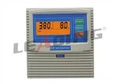
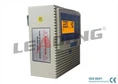
Now, let me tell you about some of the products we offer as a three - phase pump control panel supplier. We have a Sewage Water Pump Controller Inside Built Level Transmitter. This product is designed for sewage applications and has been engineered with proper ventilation in mind. The ventilation system ensures that the components stay cool, even in the harsh conditions of sewage treatment.
Another great product is our Digital Water Pump Control Box Cell Phone Based Remote Controller. This control box not only allows you to control your pump remotely via your cell phone but also has an efficient ventilation system. The fans are carefully selected to provide the right amount of airflow to keep the electronics inside in top - notch condition.
We also have an Automatic Pump Controller Three Phase Pump Control Panel Specialized in Sewage Lifting. This panel is specifically designed for sewage lifting applications. The ventilation design takes into account the high - heat generation that can occur during the operation of the pump in these scenarios.
When it comes to ventilation, it's not just about installing a fan or making some vents. You also need to maintain the ventilation system. Regularly check the vents for blockages. Dust, dirt, and debris can accumulate over time and reduce the airflow. Clean the fans periodically to ensure they're spinning freely. If you notice any unusual noises or reduced airflow, it could be a sign that there's a problem with the ventilation system.
In conclusion, proper ventilation is essential for the optimal performance and longevity of a three - phase pump control panel. Whether you choose natural or forced ventilation, make sure it's designed to meet the specific needs of your panel. And if you're in the market for a high - quality three - phase pump control panel with excellent ventilation, we're here to help.
If you're interested in our products or have any questions about ventilation requirements for your specific application, feel free to reach out. We're always happy to have a chat and discuss how we can meet your needs. Let's work together to ensure your pump control panel operates smoothly and efficiently.
References
- Electrical Equipment Ventilation Guidelines, National Electrical Manufacturers Association
- Handbook of Industrial Ventilation, American Conference of Governmental Industrial Hygienists