


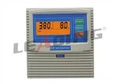
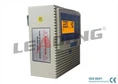


As a provider of White Three Phase Pump Control Panels, I understand the significance of the diagnostic functions these panels offer. The diagnostic capabilities of a white three - phase pump control panel are crucial for ensuring the efficient and reliable operation of pumps. In this blog, I will delve into the various types of information that these diagnostic functions can provide.
1. Voltage and Current Information
One of the fundamental pieces of information that the diagnostic function can offer is related to voltage and current. Monitoring the voltage across the three - phase system is essential because an imbalance in voltage can lead to uneven loading on the pump motor. This can cause overheating, reduced efficiency, and ultimately, premature failure of the motor.
The control panel can continuously measure the voltage of each phase and provide real - time data on whether the voltage is within the acceptable range. For example, in a standard three - phase system, the voltage should be relatively balanced. If there is a significant deviation, say more than 5% difference between phases, the diagnostic function can alert the operator. This early warning allows for timely intervention, such as checking for loose connections, damaged cables, or problems with the power supply.
Similarly, current monitoring is vital. The current flowing through the pump motor is directly related to the load it is carrying. An abnormal increase in current can indicate a problem such as a blocked impeller, worn bearings, or a short - circuit in the motor windings. By continuously monitoring the current in each phase, the control panel can detect such issues and provide an alarm. This helps in preventing major breakdowns and reducing maintenance costs. For more advanced control panels like the Universal Three Phase Pump Control Panel, the diagnostic function can provide detailed historical data on voltage and current, allowing for in - depth analysis of the pump's performance over time.


2. Temperature Information
Temperature is another critical parameter that the diagnostic function of the control panel can monitor. The pump motor generates heat during operation, and excessive heat can damage the insulation of the motor windings, leading to short - circuits and motor failure. The control panel can be equipped with temperature sensors to measure the temperature of the motor windings and the surrounding environment.
If the temperature exceeds a pre - set threshold, the diagnostic function will trigger an alarm. This could be due to factors such as high ambient temperature, overloading of the motor, or poor ventilation. By detecting high temperatures early, the operator can take steps to cool down the motor, reduce the load, or improve ventilation. Some control panels, like the High Performance Dual Pump Controller Panel, can also provide trend analysis of temperature data. This helps in predicting potential problems and scheduling preventive maintenance.
3. Pump Speed and Performance Information
The diagnostic function can also provide information about the pump's speed and performance. The speed of the pump is directly related to its flow rate and head. By monitoring the pump speed, the control panel can determine if the pump is operating at the designed speed. A deviation from the normal speed can indicate problems such as a worn drive belt, a malfunctioning motor controller, or a change in the system resistance.
In addition to speed, the control panel can estimate the pump's performance parameters such as flow rate and head. This is done by using sensors and algorithms that take into account factors like the pump's characteristics, the pressure in the system, and the power consumption. If the actual performance deviates from the expected performance, it could be a sign of a problem in the pump or the piping system. For example, a lower - than - expected flow rate could be due to a clogged filter or a leak in the pipeline. The Three Phase Submersible Pump Control Box is designed to provide accurate performance information, enabling operators to optimize the pump's operation.
4. Fault and Alarm Information
The diagnostic function of the control panel is equipped with a fault - detection system that can identify various types of faults. These faults can range from minor issues like a loose connection to major problems like a motor burnout. When a fault is detected, the control panel will display an error code on its interface. This error code provides specific information about the nature of the fault, allowing the operator to quickly diagnose and fix the problem.
In addition to displaying error codes, the control panel can also generate alarms. These alarms can be visual, such as a flashing light on the panel, or audible, such as a buzzer. The alarms can be configured to notify the operator immediately or to send a notification to a remote monitoring system. This ensures that any issues are addressed promptly, minimizing downtime and reducing the risk of further damage.
5. System Status and Operational History
The diagnostic function can provide information about the overall system status. This includes whether the pump is running, stopped, or in an alarm state. It can also show the status of various components such as relays, contactors, and sensors. By having a clear picture of the system status, the operator can quickly identify any abnormal conditions and take appropriate action.
Moreover, the control panel can store an operational history. This history includes data such as the start and stop times of the pump, the duration of operation, and the occurrence of faults. This information is valuable for maintenance planning, performance evaluation, and troubleshooting. For example, if a pump fails repeatedly at a certain time of the day, the operational history can help in identifying if there is a pattern related to the system load or the power supply.
Conclusion
In conclusion, the diagnostic function of a white three - phase pump control panel provides a wealth of information that is essential for the efficient and reliable operation of pumps. From voltage and current monitoring to temperature, speed, and performance analysis, these diagnostic capabilities help in detecting problems early, preventing major breakdowns, and reducing maintenance costs.
If you are in the market for a high - quality three - phase pump control panel with advanced diagnostic functions, we are here to assist you. Our products are designed to meet the highest standards of performance and reliability. Whether you need a Universal Three Phase Pump Control Panel, a High Performance Dual Pump Controller Panel, or a Three Phase Submersible Pump Control Box, we have the right solution for you. Contact us to start a procurement discussion and find the best control panel for your needs.
References
- Electrical Installation Handbook, Schneider Electric
- Pump Handbook, Karassik et al.