




Hey there! As a pump control supplier, I've been getting a lot of questions lately about pump control sensors. So, I thought I'd take a few minutes to break down what they are, how they work, and why they're so important in the world of pump control.
What Exactly is a Pump Control Sensor?
A pump control sensor is a device that's designed to monitor various parameters related to a pump's operation. These parameters can include things like pressure, flow rate, temperature, and level. By keeping an eye on these factors, the sensor can help ensure that the pump is working efficiently, safely, and as intended.
Think of it like the brain of your pump system. It's constantly gathering data and sending signals to the pump control system, which then makes decisions about when to turn the pump on or off, how fast it should run, and so on. Without a reliable sensor, your pump could be running too hard, too long, or not at all, which can lead to all sorts of problems, from decreased efficiency to costly repairs.
How Do Pump Control Sensors Work?
There are several different types of pump control sensors, each designed to measure a specific parameter. Let's take a closer look at some of the most common ones:
Pressure Sensors
Pressure sensors are probably the most widely used type of pump control sensor. They work by measuring the pressure of the fluid being pumped. When the pressure reaches a certain set point, the sensor sends a signal to the pump control system, which can then take action, such as turning the pump on or off.
For example, in a water supply system, a pressure sensor might be set to turn the pump on when the pressure drops below a certain level and turn it off when the pressure reaches a maximum limit. This helps maintain a consistent water pressure throughout the system.
Flow Sensors
Flow sensors, as the name suggests, measure the flow rate of the fluid passing through the pump. They can be used to ensure that the pump is delivering the right amount of fluid at the right time.
There are different types of flow sensors, including mechanical, electromagnetic, and ultrasonic sensors. Each type has its own advantages and disadvantages, but they all work by detecting the movement of the fluid and converting it into an electrical signal that can be read by the pump control system.
Temperature Sensors
Temperature sensors are used to monitor the temperature of the pump and the fluid being pumped. High temperatures can indicate a problem with the pump, such as overloading or a lack of lubrication. By monitoring the temperature, the sensor can alert the pump control system if the temperature exceeds a safe limit, allowing for timely maintenance or shutdown to prevent damage.
Level Sensors
Level sensors are commonly used in applications where it's important to maintain a certain level of fluid in a tank or reservoir. They can be used to turn the pump on when the fluid level drops below a certain point and turn it off when the level reaches a maximum limit.
There are several types of level sensors, including float switches, ultrasonic sensors, and capacitance sensors. Each type has its own unique way of detecting the fluid level and sending a signal to the pump control system.
Why Are Pump Control Sensors So Important?
Now that we know what pump control sensors are and how they work, let's talk about why they're so important in the world of pump control.
Efficiency
One of the biggest benefits of using pump control sensors is increased efficiency. By monitoring the various parameters of the pump's operation, the sensor can help ensure that the pump is running at its optimal speed and capacity. This means that the pump uses less energy, which can result in significant cost savings over time.
Safety
Pump control sensors also play a crucial role in ensuring the safety of the pump and the people using it. By monitoring factors such as pressure, temperature, and flow rate, the sensor can detect potential problems before they become serious. For example, if the pressure in a pump system gets too high, it could cause a pipe to burst or damage the pump itself. A pressure sensor can detect this and send a signal to the pump control system to shut down the pump before any damage occurs.
Reliability
In addition to efficiency and safety, pump control sensors can also improve the reliability of the pump system. By constantly monitoring the pump's operation, the sensor can detect any changes or abnormalities and alert the pump control system. This allows for timely maintenance and repairs, which can help prevent breakdowns and extend the lifespan of the pump.
Our Pump Control Solutions
As a pump control supplier, we offer a wide range of pump control sensors and systems to meet the needs of our customers. Whether you're looking for a simple pressure sensor for a small water supply system or a more complex flow sensor for an industrial application, we've got you covered.
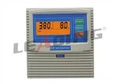
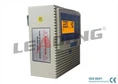
One of our popular products is the 3 Phase Well Pump Control Box. This control box is designed to provide reliable and efficient control of 3-phase well pumps. It features advanced sensors and controls that can monitor the pump's operation and adjust its performance as needed.
Another great product is our 3 Phase Submersible Pump Control Panel Automatic Water Pump Motor Controller. This control panel is specifically designed for submersible pumps and offers a high level of protection and control. It includes features such as overload protection, dry run protection, and automatic restart, ensuring the safe and reliable operation of the pump.


Conclusion
In conclusion, pump control sensors are an essential part of any pump system. They play a crucial role in ensuring the efficiency, safety, and reliability of the pump. By monitoring various parameters such as pressure, flow rate, temperature, and level, these sensors can help prevent problems and extend the lifespan of the pump.
If you're in the market for pump control sensors or systems, I encourage you to get in touch with us. We have a team of experts who can help you choose the right products for your specific needs and provide you with the support and service you deserve. Whether you're a small business owner or a large industrial facility, we're here to help you keep your pumps running smoothly.
References
- "Pump Handbook" by Igor Karassik
- "Industrial Automation: A Practical Guide" by David A. Bell