


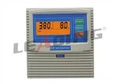
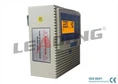


As a trusted supplier of IP54 Protection Grade Simplex Pump Controllers, I've witnessed firsthand the critical role these devices play in various applications. One aspect that often comes under scrutiny is the effect of vibration on an IP54 simplex pump controller. In this blog, we'll explore this topic in depth, discussing the potential impacts of vibration, the challenges it presents, and how our controllers are designed to mitigate these issues.
Understanding the Basics of IP54 Simplex Pump Controllers
IP54-rated simplex pump controllers are robust devices designed to meet the needs of diverse water pumping systems. The IP54 rating indicates that the controller is protected against dust ingress to a degree that will not interfere with its normal operation and is protected against water splashing from any direction. Simplex controllers are typically used to control a single pump, ensuring efficient and reliable water supply transfer.
Our product range includes several types of simplex pump controllers, such as the Monophase Simplex Pump Controller for Water Supply Transfer, designed for residential and small commercial applications, and the Commercial Simplex Pump Controller, which is built to handle the demands of larger commercial water systems. We also offer the Smart Simplex Pump Controller Special Design for Installing Two Capacitor, a technologically advanced option for specific installation requirements.
The Effects of Vibration on IP54 Simplex Pump Controllers
Vibration is an inevitable part of many pump systems, originating from various sources such as the pump motor itself, water flow through the pipes, or external factors like nearby machinery. While some level of vibration is normal and can be tolerated, excessive or prolonged vibration can have a detrimental impact on the performance and lifespan of an IP54 simplex pump controller.
Mechanical Damage
One of the most obvious effects of vibration is mechanical damage to the controller components. The constant shaking can cause loose connections, leading to intermittent electrical failures or even complete circuit breakage. Components such as relays, switches, and printed circuit boards (PCBs) are particularly vulnerable to vibration-induced damage. Over time, the solder joints on PCBs can crack, causing components to detach and disrupt the normal operation of the controller.


Electrical Interference
Vibration can also generate electrical interference within the controller. The movement of components can cause electrostatic discharges (ESDs), which can interfere with the sensitive electronics of the controller. This interference can lead to false readings, incorrect control signals, or even system malfunctions. In addition, the vibration-induced movement of wires can cause short circuits, posing a significant safety hazard.
Reduced Accuracy and Performance
Excessive vibration can affect the accuracy of the controller's sensors and switches. For example, pressure sensors may give inaccurate readings due to the vibration, leading to improper pump control. This can result in issues such as over-pumping or under-pumping, which not only reduces the efficiency of the water supply system but also increases energy consumption and wear on the pump.
Accelerated Wear and Tear
Vibration-induced stress on the controller's components can accelerate their wear and tear. Moving parts such as relays and switches may experience increased friction and wear, reducing their lifespan. This can lead to more frequent maintenance requirements and higher costs in the long run.
How Our IP54 Simplex Pump Controllers Are Designed to Resist Vibration
At our company, we understand the challenges posed by vibration and have taken several measures to ensure that our IP54 simplex pump controllers can withstand these forces.
Robust Construction
Our controllers are built with high-quality materials and a sturdy construction that can resist the effects of vibration. The enclosures are made of durable plastic or metal, providing a protective barrier against external vibrations. Inside the controller, the components are carefully mounted and secured to minimize movement and vibration transfer.
Vibration Damping
We incorporate vibration damping techniques into the design of our controllers. This includes using shock-absorbing materials and mounting brackets to reduce the impact of vibrations on the internal components. By isolating the sensitive electronics from the source of vibration, we can prevent mechanical damage and electrical interference.
Quality Control and Testing
Before our controllers are released to the market, they undergo rigorous quality control and testing procedures. This includes vibration testing to ensure that they can withstand the specified levels of vibration without any performance degradation. We also monitor the performance of our controllers in the field to identify and address any potential issues related to vibration.
Conclusion
In conclusion, vibration can have a significant impact on the performance and lifespan of an IP54 simplex pump controller. However, by understanding the potential effects of vibration and taking appropriate measures to mitigate them, we can ensure that our controllers provide reliable and efficient operation in even the most challenging environments.
If you're in the market for a high-quality IP54 simplex pump controller, we invite you to explore our product range, including the Monophase Simplex Pump Controller for Water Supply Transfer, Commercial Simplex Pump Controller, and Smart Simplex Pump Controller Special Design for Installing Two Capacitor. Our team of experts is ready to assist you in selecting the right controller for your specific needs and to provide support throughout the procurement process. Contact us to discuss your requirements and start a partnership that will ensure the long-term success of your water pumping system.
References
- Manufacturer's documentation for IP54 simplex pump controllers.
- Industry standards and guidelines related to pump control and vibration resistance.
- Research papers on the effects of vibration on electrical and mechanical components.