





Electromagnetic compatibility (EMC) is a critical aspect in the design and operation of electrical and electronic systems, including three-phase pump controls for universal pumps. As a supplier of Three Phase Pump Control For Universal Pump, understanding and ensuring the EMC of our products is of utmost importance. In this blog, we will delve into what electromagnetic compatibility means for three-phase pump control in universal pumps, its significance, and how we address EMC challenges in our products.
What is Electromagnetic Compatibility?
Electromagnetic compatibility refers to the ability of an electrical or electronic device to function properly in its electromagnetic environment without causing unacceptable electromagnetic interference (EMI) to other devices in the same environment. In simpler terms, it's about making sure that a device can operate smoothly without disrupting the operation of other nearby devices and, at the same time, is not affected by the electromagnetic emissions from other sources.
In the context of three-phase pump control for universal pumps, EMC is crucial because these pumps are often installed in industrial or commercial settings where there are numerous other electrical and electronic devices operating simultaneously. For example, in a water treatment plant, a three-phase pump may be working alongside motors, sensors, and control systems. If the pump control system does not have good EMC, it could generate electromagnetic noise that interferes with the operation of these other devices, leading to malfunctions, inaccurate readings, or even system failures.
Sources of Electromagnetic Interference in Three-Phase Pump Control
There are several sources of electromagnetic interference in three-phase pump control systems. One of the primary sources is the switching action of the power electronics components used in the pump control. When the pump is turned on or off, or when the speed or direction of the pump is changed, the power transistors or thyristors in the control system switch rapidly, generating high-frequency electromagnetic signals. These signals can radiate into the surrounding environment or couple onto power lines and communication cables, causing interference to other devices.
Another source of EMI is the motor itself. Three-phase motors can produce electromagnetic fields due to the flow of current through the windings. These fields can vary depending on the load, speed, and operating conditions of the motor. In addition, the motor may also generate electrical noise due to mechanical vibrations or brush arcing in the case of brushed motors.
Harmonics are also a significant source of electromagnetic interference. Three-phase pump control systems often use variable frequency drives (VFDs) to control the speed of the pump. VFDs can introduce harmonics into the power system, which are multiples of the fundamental frequency of the power supply. These harmonics can cause problems such as overheating of transformers and motors, voltage distortion, and interference with other electrical equipment connected to the same power grid.
Importance of EMC in Three-Phase Pump Control
Ensuring good EMC in three-phase pump control systems offers several benefits. Firstly, it improves the reliability and stability of the pump operation. By reducing electromagnetic interference, the pump control system is less likely to experience malfunctions or false triggering, resulting in more consistent and efficient pump performance.
Secondly, good EMC helps to comply with regulatory requirements. In many countries, there are strict regulations regarding electromagnetic emissions from electrical and electronic equipment. For example, in the European Union, products must comply with the EMC Directive (2014/30/EU) to be sold on the market. By ensuring that our three-phase pump control systems meet these standards, we can provide our customers with products that are legally compliant and can be safely installed in their facilities.
Thirdly, EMC is essential for the safety of personnel and equipment. Electromagnetic interference can pose a risk to the operation of safety-critical systems, such as emergency stop buttons or fire alarms. By minimizing EMI, we can ensure that these safety systems operate correctly and reliably in the presence of the pump control system.
How We Address EMC Challenges in Our Three-Phase Pump Control Products
As a supplier of three-phase pump control for universal pumps, we take several measures to address EMC challenges in our products.

Design and Layout
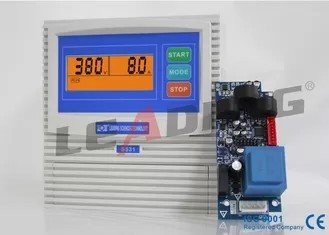
We pay close attention to the design and layout of our pump control systems to minimize electromagnetic emissions. For example, we use proper grounding techniques to ensure that the electrical currents are safely conducted to the ground, reducing the risk of electromagnetic radiation. We also separate the power circuits from the control circuits to prevent coupling of electromagnetic signals between them.
In addition, we use shielded cables for power and signal transmission. Shielded cables have a conductive layer that surrounds the inner conductors, which helps to block the electromagnetic fields and reduce the radiation of EMI.
Filtering and Suppression
We incorporate filtering and suppression components in our pump control systems to reduce the electromagnetic emissions. For example, we use line filters to attenuate the high-frequency noise on the power lines. These filters typically consist of inductors and capacitors that are designed to block the unwanted frequencies while allowing the normal power frequencies to pass through.
We also use ferrite beads and chokes to suppress the electromagnetic interference on signal lines. Ferrite beads are passive components that absorb high-frequency electromagnetic energy and convert it into heat, reducing the amount of noise that is transmitted along the cable.
Testing and Certification
To ensure that our products meet the required EMC standards, we conduct extensive testing in our in-house testing facilities. We use specialized equipment such as spectrum analyzers, oscilloscopes, and electromagnetic chambers to measure the electromagnetic emissions of our pump control systems under different operating conditions.
Once the products have passed our internal testing, we send them to independent testing laboratories for certification. These laboratories perform a series of standardized tests according to international EMC standards, such as CISPR (International Special Committee on Radio Interference) and IEC (International Electrotechnical Commission) standards. Only after the products have obtained the necessary certifications can they be released to the market.
Related Products and Their EMC Considerations
In addition to Three Phase Pump Control For Universal Pump, we also offer other pump control products, such as Single Phase Pump Control for Waste Water Tank Sewage Sink and Automatic Submersible Water Pump Controller for Overhead Tank.
For single-phase pump control, although the power levels are generally lower than those of three-phase pumps, EMC is still an important consideration. These pumps are often used in residential or small commercial applications, where they may be installed in close proximity to other household appliances or electronic devices. Therefore, it is necessary to ensure that the single-phase pump control system does not generate excessive electromagnetic interference that could affect the operation of these other devices.
The automatic submersible water pump controller for overhead tanks also requires good EMC. These controllers are often installed in harsh environments, such as near water or in areas with high humidity. In addition to the EMC challenges mentioned above, they also need to be protected against corrosion and moisture, which can further affect the electromagnetic performance of the system.
Conclusion
Electromagnetic compatibility is a vital aspect of three-phase pump control for universal pumps. By understanding the sources of electromagnetic interference, implementing appropriate EMC measures in the design and manufacturing process, and conducting thorough testing and certification, we can ensure that our products offer reliable and interference-free operation.
As a supplier of Three Phase Pump Control For Universal Pump, we are committed to providing our customers with high-quality pump control products that meet the highest EMC standards. If you are in need of pump control solutions for your application, we invite you to contact us for more information and to discuss your specific requirements. Our team of experts is ready to assist you in selecting the right product and ensuring its proper installation and operation.
References
- International Electrotechnical Commission (IEC). IEC 61000 series of standards on electromagnetic compatibility.
- International Special Committee on Radio Interference (CISPR). CISPR 11, CISPR 22, and other relevant standards on electromagnetic emissions and immunity.
- Mohan, N., Undeland, T. M., & Robbins, W. P. (2012). Power Electronics: Converters, Applications, and Design. John Wiley & Sons.