


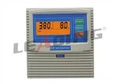
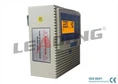


In the realm of industrial and commercial pumping systems, the Duplex Alternating Three Phase Pump Controller stands as a crucial component. As a leading supplier of these controllers, I am often asked about the function of the alternating mode in a Duplex Alternating Three Phase Pump Controller. In this blog, I will delve into the details of this function, its benefits, and its applications.
Understanding the Basics of a Duplex Alternating Three Phase Pump Controller
Before we explore the alternating mode, let's first understand the basic concept of a duplex alternating three - phase pump controller. A duplex pumping system consists of two pumps that work in tandem to meet the fluid transfer requirements. The three - phase aspect refers to the electrical power supply, which is commonly used in industrial settings due to its high efficiency and power - handling capabilities.
The controller is responsible for managing the operation of these two pumps. It monitors various parameters such as water level, pressure, and flow rate, and based on these inputs, it decides when and how the pumps should operate.
The Function of the Alternating Mode
The alternating mode in a Duplex Alternating Three Phase Pump Controller is a key feature that ensures balanced usage of the two pumps in the duplex system. In this mode, the controller alternates the operation of the two pumps between each pumping cycle.
Let's say we have a water supply system where the pumps are used to transfer water from a storage tank to a distribution network. When the water level in the tank drops below a certain set point, the controller activates one of the pumps to start the transfer process. Once the water level is restored to the desired level, the pump stops. In the alternating mode, for the next pumping cycle, the controller will activate the other pump instead of the same one used previously.
This alternating operation has several important functions and benefits:
1. Equal Wear and Tear
One of the primary functions of the alternating mode is to distribute the workload evenly between the two pumps. Pumps are mechanical devices, and like any other mechanical equipment, they experience wear and tear over time. By alternating their operation, each pump gets an equal share of the work, which helps to extend the overall lifespan of the pumping system. For example, if one pump is constantly used while the other remains idle, the constantly - used pump will wear out much faster, leading to more frequent breakdowns and higher maintenance costs.
2. Increased Reliability
In a duplex system, if one pump fails, the other pump can still operate to keep the system running. The alternating mode helps to ensure that both pumps are in working condition at all times. Since the pumps are used alternately, they are equally exercised, reducing the risk of a pump failing due to long periods of inactivity. For instance, in a sewage pumping station, a failure of one pump could lead to backups and environmental hazards. The alternating mode mitigates this risk by keeping both pumps operational.
3. Energy Efficiency
Alternating the pumps can also contribute to energy efficiency. Different pumps may have different performance characteristics at various operating conditions. By alternating the pumps, the controller can select the pump that is more efficient at a particular moment. For example, a pump may have a higher efficiency at lower flow rates, while the other may be more efficient at higher flow rates. The alternating mode allows the controller to switch between the two pumps to optimize energy consumption.
Applications of the Alternating Mode in Different Industries
The alternating mode in a Duplex Alternating Three Phase Pump Controller finds wide applications in various industries:
1. Water Supply and Distribution
In municipal water supply systems, the alternating mode is used to ensure a continuous and reliable supply of water. The pumps are used to transfer water from water treatment plants to storage tanks and then to the distribution network. By alternating the pumps, the system can maintain a consistent water pressure and reduce the likelihood of pump failures. For more information on related pump control products, you can visit Duplex Single Phase Pump Control with Panel DOL Start.
2. Industrial Plants
Industrial plants require a steady supply of water for various processes such as cooling, washing, and manufacturing. A duplex pumping system with alternating mode can ensure that the water requirements are met without interruption. The equal wear and tear on the pumps also reduce the maintenance costs associated with the pumping system. Our Industrial Plants Booster Duplex Pump Controller is designed to meet the specific needs of industrial applications.
3. Sewage and Wastewater Management
In sewage pumping stations, the alternating mode is essential for preventing blockages and backups. The pumps are used to transfer sewage from collection points to treatment plants. Since sewage contains various solids and debris, the pumps can be prone to clogging. By alternating the pumps, the likelihood of a pump getting clogged and failing is reduced. Our Sewage Pump Controller for 3 Phase Under Voltage Protection is specifically engineered to handle the challenges of sewage pumping.
Technical Considerations for the Alternating Mode
When implementing the alternating mode in a Duplex Alternating Three Phase Pump Controller, several technical factors need to be considered:
1. Controller Programming
The controller needs to be programmed correctly to ensure proper alternating operation. This includes setting the appropriate water level or pressure set points, as well as the time intervals for alternating between the pumps. The programming should also take into account the specific characteristics of the pumps, such as their flow rates, head pressures, and power requirements.
2. Electrical Compatibility
The electrical system of the pumping station must be compatible with the three - phase power supply and the operation of the two pumps. This includes ensuring that the wiring, circuit breakers, and other electrical components can handle the load of the pumps. Additionally, the controller should be able to detect and respond to electrical faults, such as over - current or under - voltage conditions.
3. Pump Selection
The two pumps in the duplex system should be selected carefully to ensure that they are compatible with each other and with the alternating mode of operation. They should have similar performance characteristics, such as flow rates and head pressures, to ensure balanced operation.
Conclusion and Call to Action
The alternating mode in a Duplex Alternating Three Phase Pump Controller is a vital feature that offers numerous benefits, including equal wear and tear, increased reliability, and energy efficiency. It has wide applications in various industries, from water supply and distribution to sewage management.
As a supplier of high - quality Duplex Alternating Three Phase Pump Controllers, we are committed to providing our customers with the best solutions for their pumping needs. If you are interested in learning more about our products or have specific requirements for your pumping system, we encourage you to contact us for a detailed discussion. Our team of experts is ready to assist you in selecting the right controller and ensuring its proper installation and operation.


References
- Pump Handbook, 4th Edition, by Karassik et al.
- Industrial Pumping Systems: Design and Application, by Cameron Hydraulic Data.
- Electrical Power Systems: Design and Analysis, by Grainger and Stevenson.