




As a reputable supplier of Three Phase Pump Control Panels, I often encounter inquiries from customers regarding the maximum number of pumps a three - phase pump control panel can handle. This topic is crucial as it directly impacts the efficiency and cost - effectiveness of a pumping system. In this blog, I will delve into the factors that determine this maximum number and provide insights based on industry knowledge and experience.
Understanding Three - Phase Pump Control Panels
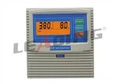
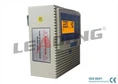
Before discussing the maximum number of pumps, it's essential to understand what a three - phase pump control panel is. A Universal Three Phase Pump Control Panel is a device designed to manage and protect three - phase pumps. It provides functions such as starting, stopping, and monitoring the pumps, as well as protecting them from over - current, under - voltage, and other electrical faults.
Three - phase pumps are commonly used in various applications, including water supply, sewage treatment, industrial processes, and irrigation. The control panel acts as the brain of the pumping system, ensuring that the pumps operate safely and efficiently.
Factors Affecting the Maximum Number of Pumps
Electrical Capacity
One of the primary factors determining the maximum number of pumps a control panel can handle is its electrical capacity. Each pump draws a certain amount of electrical current, and the control panel must be able to supply this current without overloading. The current rating of the control panel is typically specified in amperes (A).
For example, if a single pump has a full - load current of 10 A, and the control panel has a current rating of 50 A, in theory, it could potentially control up to 5 such pumps. However, this is a simplified calculation. In practice, other factors such as the starting current of the pumps must also be considered. When a pump starts, it typically draws a much higher current than its full - load current for a short period. This inrush current can be several times the normal operating current, and the control panel must be able to handle it without tripping.
Control Functionality
The control functionality of the panel also plays a significant role. A Multifunction Three Phase Pump Control Panel Overload Protection for Waste Water Systems may have different control modes, such as manual, automatic, and sequential operation. In a sequential operation mode, the control panel starts and stops the pumps one after another to ensure a balanced load on the electrical system.
If the control panel is designed for simple on/off control of pumps, it may be able to handle a larger number of pumps compared to a panel with more complex control functions. This is because complex control functions require more processing power and electrical components, which can limit the number of pumps that can be connected.
Physical Space and Heat Dissipation
The physical size of the control panel and its heat dissipation capabilities are also important considerations. Each pump connected to the control panel generates heat, and the control panel must be able to dissipate this heat to prevent overheating. If too many pumps are connected, the heat generated may exceed the panel's cooling capacity, leading to component failure.
In addition, the control panel needs to have enough physical space to accommodate all the necessary electrical components, such as contactors, relays, and circuit breakers. As the number of pumps increases, the number of these components also increases, and the control panel must be large enough to house them.
Typical Configurations and Maximum Numbers
Single Pump Controller
A Single Pump Controller Three Phase Pump Control Panel is designed to control a single pump. These panels are relatively simple in design and are often used in small - scale applications where only one pump is required. However, in some cases, a single - pump controller can be used in parallel with other controllers to control multiple pumps independently.
Small - Scale Systems
For small - scale systems, a control panel can typically handle 2 - 3 pumps. These systems are commonly used in residential or small commercial applications, such as a small water supply system for a single building or a small irrigation system. The control panel in these systems usually has a relatively low current rating and simple control functions.
Medium - Scale Systems
In medium - scale systems, the control panel can handle 4 - 6 pumps. These systems are often used in larger commercial or industrial applications, such as a medium - sized water treatment plant or an industrial process that requires multiple pumps for different stages of operation. The control panel in these systems may have more advanced control functions, such as variable frequency drive (VFD) control for energy efficiency.
Large - Scale Systems
For large - scale systems, such as large water supply networks or major industrial complexes, the control panel can handle 6 or more pumps. In these cases, the control panel is often a custom - designed solution with high - capacity electrical components and sophisticated control algorithms. These panels may also be equipped with redundant components to ensure system reliability in case of component failure.
Case Studies
Let's take a look at some real - world examples to illustrate the maximum number of pumps a control panel can handle.
Residential Water Supply System
In a residential water supply system, a typical control panel may be able to handle 2 - 3 pumps. For example, a two - pump system may consist of a main pump and a backup pump. The control panel can be configured to automatically switch to the backup pump in case the main pump fails. This ensures a continuous water supply to the residence.
Industrial Wastewater Treatment Plant
In an industrial wastewater treatment plant, a control panel may be required to control 4 - 6 pumps. These pumps may be used for different processes, such as pumping raw wastewater into the treatment tanks, circulating the water through the treatment process, and pumping the treated water out. The control panel in this case needs to have advanced control functions to ensure the proper operation of the entire treatment process.
Conclusion and Call to Action
Determining the maximum number of pumps a three - phase pump control panel can handle is a complex process that involves considering multiple factors, including electrical capacity, control functionality, and physical space. As a supplier of Three Phase Pump Control Panels, we have the expertise and experience to help you select the right control panel for your specific application.


Whether you are looking for a simple single - pump controller or a complex multi - pump control system, we can provide you with high - quality products and customized solutions. Our Universal Three Phase Pump Control Panel, Multifunction Three Phase Pump Control Panel Overload Protection for Waste Water Systems, and Single Pump Controller Three Phase Pump Control Panel are designed to meet the diverse needs of our customers.
If you are interested in learning more about our products or need assistance in selecting the right control panel for your pumping system, please feel free to contact us. We look forward to discussing your requirements and providing you with the best solutions.
References
- Electrical Installation Handbook, Schneider Electric
- Pump Handbook, Karassik et al.
- Standards for Pump Control Panels, National Electrical Manufacturers Association (NEMA)