


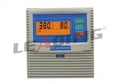
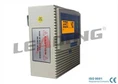


In the realm of industrial and commercial applications, white three - phase pump control panels play a crucial role in ensuring the efficient and safe operation of pumps. These control panels are designed to manage the power supply, monitor pump performance, and protect the pump from various electrical faults. One of the most important protection mechanisms in these control panels is the short - circuit protection mechanism. In this blog, as a supplier of white three - phase pump control panels, I will delve into the details of the short - circuit protection mechanism, its importance, and how it functions.
Understanding Short - Circuit in Electrical Systems
Before we explore the short - circuit protection mechanism, it's essential to understand what a short - circuit is. A short - circuit occurs when there is an unintended low - resistance connection between two points in an electrical circuit. This can happen due to various reasons, such as damaged insulation, loose connections, or component failures. When a short - circuit occurs, the electrical current bypasses the normal load and takes a path of least resistance. As a result, the current in the circuit can increase significantly, sometimes to many times the normal operating current.
This excessive current can cause several problems. It can overheat the electrical conductors, leading to insulation damage and potentially starting a fire. It can also damage electrical components in the control panel and the pump itself, such as motors, relays, and circuit breakers. Therefore, it's crucial to have a reliable short - circuit protection mechanism in place to prevent these issues.
The Importance of Short - Circuit Protection in White Three - Phase Pump Control Panels
For white three - phase pump control panels, short - circuit protection is of utmost importance. These control panels are responsible for managing the power supply to three - phase pumps, which are commonly used in applications such as water supply systems, wastewater treatment plants, and industrial processes. A short - circuit in the control panel or the pump circuit can not only disrupt the operation of the pump but also cause significant damage to the equipment and pose a safety hazard to personnel.


By implementing an effective short - circuit protection mechanism, we can ensure the following benefits:
- Equipment Protection: Protect the pump motor, control panel components, and other electrical equipment from damage caused by excessive current during a short - circuit.
- System Reliability: Minimize downtime by preventing equipment failures due to short - circuits. This ensures the continuous operation of the pump system, which is critical for many applications.
- Safety: Reduce the risk of electrical fires and other safety hazards associated with short - circuits. This protects both the equipment and the personnel working in the vicinity.
Components of the Short - Circuit Protection Mechanism
The short - circuit protection mechanism in a white three - phase pump control panel typically consists of several key components:
Circuit Breakers
Circuit breakers are one of the most common components used for short - circuit protection. They are designed to automatically interrupt the electrical circuit when the current exceeds a certain threshold. There are two main types of circuit breakers used in pump control panels: thermal - magnetic circuit breakers and electronic circuit breakers.
Thermal - magnetic circuit breakers use a combination of thermal and magnetic elements to detect and interrupt overcurrents. The thermal element responds to prolonged overcurrents, such as those caused by overloads, while the magnetic element responds to short - circuits. When a short - circuit occurs, the magnetic field generated by the high current causes the breaker to trip immediately, interrupting the circuit.
Electronic circuit breakers, on the other hand, use electronic sensors and control circuits to detect and interrupt overcurrents. They offer more precise and adjustable protection compared to thermal - magnetic circuit breakers. Electronic circuit breakers can be programmed to trip at specific current levels and can also provide additional features such as ground - fault protection and over - voltage protection.
Fuses
Fuses are another important component of the short - circuit protection mechanism. A fuse is a simple device that consists of a metal wire or strip that melts when the current exceeds a certain value. When a short - circuit occurs, the high current causes the fuse to blow, interrupting the circuit and protecting the equipment.
Fuses are available in different ratings and types, depending on the application requirements. They are often used in combination with circuit breakers to provide additional protection. For example, a fuse may be used as a backup protection in case the circuit breaker fails to trip during a short - circuit.
Overcurrent Relays
Overcurrent relays are used to monitor the current in the circuit and send a signal to the circuit breaker or other protective devices when the current exceeds a preset value. They can be used to provide both overload protection and short - circuit protection. Overcurrent relays can be either electromechanical or electronic.
Electromechanical overcurrent relays use a coil and a movable contact to detect and respond to overcurrents. When the current exceeds the preset value, the magnetic field generated by the coil causes the contact to move, which can be used to trip the circuit breaker. Electronic overcurrent relays, on the other hand, use electronic sensors and control circuits to detect and respond to overcurrents. They offer more precise and adjustable protection compared to electromechanical relays.
How the Short - Circuit Protection Mechanism Works
The short - circuit protection mechanism in a white three - phase pump control panel works in a coordinated manner to detect and interrupt short - circuits. Here is a step - by - step overview of how it works:
- Current Monitoring: The control panel continuously monitors the current in the three - phase circuit using current sensors, such as current transformers. These sensors provide a proportional output signal that is used by the protection devices to detect overcurrents.
- Detection of Short - Circuit: When a short - circuit occurs, the current in the circuit increases rapidly. The protection devices, such as circuit breakers, fuses, and overcurrent relays, detect this increase in current and compare it to the preset threshold values.
- Tripping of Protection Devices: If the current exceeds the preset threshold, the protection devices are triggered to interrupt the circuit. Circuit breakers trip automatically, while fuses blow to break the circuit. Overcurrent relays send a signal to the circuit breaker to trip.
- Isolation of the Fault: Once the circuit is interrupted, the faulty section of the circuit is isolated from the rest of the system. This prevents the spread of the fault and protects the other components in the control panel and the pump system.
Our Products and Short - Circuit Protection
As a supplier of white three - phase pump control panels, we offer a range of products that are equipped with advanced short - circuit protection mechanisms. Our Multifunction Three Phase Pump Control Panel Overload Protection for Waste Water Systems is designed to provide comprehensive protection for wastewater pump systems. It features high - quality circuit breakers and overcurrent relays to ensure reliable short - circuit protection.
Our M531 Three Phase Water Pump Control Panel For is another product that offers excellent short - circuit protection. It uses electronic circuit breakers for precise and adjustable protection, along with other advanced features to ensure the reliable operation of the pump system.
In addition, our Sewage Water Pump Controller Inside Built Level Transmitter is designed to provide short - circuit protection for sewage water pump systems. It combines short - circuit protection with level control functionality, making it a versatile solution for wastewater applications.
Conclusion
The short - circuit protection mechanism in a white three - phase pump control panel is a critical component that ensures the safety, reliability, and longevity of the pump system. By using a combination of circuit breakers, fuses, and overcurrent relays, we can effectively detect and interrupt short - circuits, protecting the equipment from damage and reducing the risk of safety hazards.
As a supplier, we are committed to providing high - quality pump control panels with advanced short - circuit protection mechanisms. Our products are designed to meet the diverse needs of our customers and ensure the efficient and reliable operation of their pump systems.
If you are interested in our products or have any questions about short - circuit protection in pump control panels, please feel free to contact us for further information and procurement discussions.
References
- Electrical Engineering Handbook, Third Edition, Edited by Richard C. Dorf
- Power System Protection and Switchgear, Second Edition, By P. K. Ravindra