



Exploring the Essential Components of Deep Well Pump Control for Water Engineering
Table of Contents
- Introduction to Deep Well Pump Control
- Understanding Water Engineering and Its Importance
- Overview of Deep Well Pumps
- Control Systems for Deep Well Pumps
- The Role of Automation in Water Engineering
- Navigating Challenges in Deep Well Pump Control
- Future Trends in Deep Well Pump Technology
- Conclusion
- Frequently Asked Questions
Introduction to Deep Well Pump Control
Water is an essential resource in our daily lives, and deep well pumping systems are critical for accessing groundwater. Understanding the control mechanisms involved in these systems is key to optimizing their performance and ensuring sustainability. This article will explore the essential components of deep well pump control for water engineering, providing an in-depth analysis of the technological advancements and their implications for water management.
Understanding Water Engineering and Its Importance
Water engineering encompasses a broad range of activities related to the management of water resources. This includes the design and operation of systems for water supply, wastewater management, and stormwater management. Efficient management of these resources is vital for public health, agricultural production, and industrial processes.
Key Challenges in Water Engineering
Water engineers face numerous challenges, including fluctuating demand, climate change impacts, and aging infrastructure. To address these issues, innovative technologies and control systems for deep well pumps are being developed, ensuring efficient and reliable water delivery.
Overview of Deep Well Pumps
Deep well pumps are specialized pumps designed to extract water from significant depths below the earth's surface. They are commonly used in agricultural irrigation, municipal water supply, and industrial processes.
Types of Deep Well Pumps
Deep well pumps come in various configurations, including submersible pumps, vertical turbine pumps, and jet pumps. Each type has specific applications, advantages, and limitations.
Submersible Pumps
Submersible pumps are designed to function underwater, often providing higher efficiencies than other types. They're typically used in applications requiring the lifting of water from great depths.
Vertical Turbine Pumps
Vertical turbine pumps utilize a vertical shaft to transfer energy to the water. They're ideal for high-volume applications where significant lift is necessary.
Jet Pumps
Jet pumps are less common for deep applications but can be used for shallower wells. They rely on the principle of jet propulsion to lift water and are often more affordable.
Control Systems for Deep Well Pumps
The operation of deep well pumps is managed by control systems that ensure they function optimally, delivering water efficiently while minimizing energy consumption.
Key Components of Control Systems
Effective control systems for deep well pumps consist of several essential components:
1. Sensors
Sensors are vital for monitoring various parameters such as pressure, flow rate, and water level. They provide real-time data to the control system, ensuring accurate adjustments to pump operations.
2. Control Panels
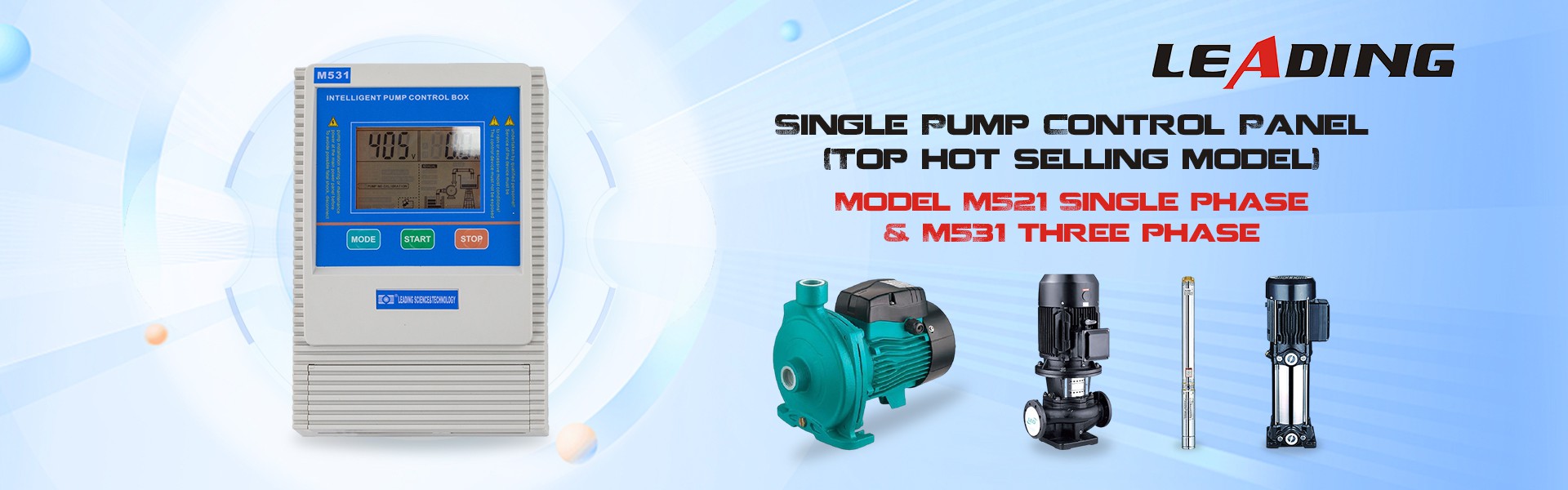
Control panels house the necessary hardware and software to manage the pump's operation. They serve as the interface between the operator and the pump system, allowing for manual or automated control.
3. Variable Frequency Drives (VFDs)
VFDs allow for precise control of pump speed, optimizing performance based on current demand and helping to reduce energy consumption. They adjust the motor speed to match the required flow rate, enhancing efficiency.
Types of Control Systems Used
There are primarily two types of control systems employed in deep well pump management: manual control systems and automated control systems.
Manual Control Systems
Manual control systems rely on human intervention for operation. While they may be suitable for some smaller applications, they are less efficient and prone to human error.
Automated Control Systems
Automated systems utilize advanced technology such as SCADA (Supervisory Control and Data Acquisition) to manage pump operations with minimal human intervention. These systems can optimize performance, reduce downtime, and allow remote monitoring and control.
The Role of Automation in Water Engineering
Automation has revolutionized water engineering by enhancing the reliability and efficiency of deep well pump systems. Through predictive maintenance, data analytics, and real-time monitoring, automation ensures optimal performance and resource management.
Benefits of Automation
- Increased Efficiency: Automated systems can operate at optimal levels, reducing energy consumption and operational costs.
- Enhanced Reliability: Predictive maintenance capabilities enable early identification of potential issues, minimizing downtime.
- Remote Monitoring: Operators can monitor systems from anywhere, improving response times to any problems that arise.
Navigating Challenges in Deep Well Pump Control
Despite the advancements in technology, challenges remain in the management of deep well pumps.
Common Operational Challenges
- Water Quality Concerns: Contaminated water can damage pumps and affect the overall system. Regular testing and maintenance are essential.
- Variable Water Levels: Fluctuations in groundwater levels due to seasonal changes can impact pump performance.
- Mechanical Failures: Pumps are subject to wear and tear, necessitating routine maintenance and timely repairs.
Future Trends in Deep Well Pump Technology
As technology evolves, several trends are shaping the future of deep well pump systems:
Integration of IoT Technologies
The Internet of Things (IoT) is increasingly being integrated into pump systems, allowing for enhanced monitoring and control. IoT devices can provide real-time data, enabling quicker decision-making and better resource management.
Improved Energy Solutions
The development of renewable energy solutions for powering deep well pumps is on the rise. Solar-powered pumps, for example, can offer sustainable options for areas where traditional energy sources are limited.
Advanced Data Analytics
Data analytics will play a critical role in optimizing deep well pump performance. By analyzing historical data, operators can better predict maintenance needs and optimize operational efficiency.
Conclusion
Understanding the essential components of deep well pump control is crucial for effective water engineering. By leveraging advanced technologies and automation, we can enhance the efficiency and reliability of these systems. With ongoing advancements and a focus on sustainability, the future of deep well pumps looks promising for ensuring access to clean water.
Frequently Asked Questions
1. What is the primary purpose of deep well pumps?
Deep well pumps are designed to extract water from underground aquifers, providing a critical resource for agricultural, municipal, and industrial operations.
2. How do control systems improve deep well pump efficiency?
Control systems enhance efficiency by monitoring key parameters and adjusting operations to meet demand, reducing energy consumption and operational costs.
3. What are the main types of deep well pumps?
The main types include submersible pumps, vertical turbine pumps, and jet pumps, each with specific applications and advantages.
4. What role does automation play in deep well pump systems?
Automation allows for real-time monitoring, predictive maintenance, and optimized operations, making systems more reliable and efficient.
5. How can I ensure my deep well pump operates efficiently?
Regular maintenance, using advanced control systems, and monitoring water quality and levels are essential for optimal pump performance.
This comprehensive exploration of deep well pump control systems in water engineering underlines the importance of technology in ensuring sustainable and efficient water management practices.