


Exploring the Mechanics of Dry Run Protection for Pumps
In the world of industrial pumping systems, dry run protection is a critical feature that ensures the longevity and efficiency of pumps. This article will explore the mechanics behind dry run protection, its necessity, and the technologies available to safeguard your pumping operations. By understanding these elements, we can better appreciate how to maintain and enhance our pumping systems' performance.
Table of Contents
1. Understanding Dry Run Protection for Pumps
2. Importance of Dry Run Protection in Industrial Applications
3. The Mechanics of Dry Run Protection
- 3.1 How Dry Run Sensors Work
- 3.2 Various Dry Run Protection Technologies
4. Consequences of Dry Running a Pump
5. Types of Pumps Needing Dry Run Protection
6. Implementing Dry Run Protection: Best Practices
7. The Future of Dry Run Protection Technology
8. Frequently Asked Questions about Dry Run Protection
9. Conclusion
Understanding Dry Run Protection for Pumps
Dry run protection refers to mechanisms designed to prevent pumps from operating without adequate fluid supply. When a pump runs dry, it can lead to overheating, damage to internal components, and, ultimately, pump failure. Therefore, incorporating dry run protection into pump design is crucial for ensuring the pump's continuous operation and efficiency.
Importance of Dry Run Protection in Industrial Applications
In many industrial settings, pumps play an indispensable role in transporting fluids such as water, chemicals, and other materials. The importance of dry run protection cannot be overstated, as the consequences of running a pump dry can lead to significant operational downtime, costly repairs, and safety hazards.
Dry run protection not only safeguards equipment but also contributes to overall process efficiency. By preventing pump failure, businesses can ensure a smooth and uninterrupted production process, minimizing potential losses.
The Mechanics of Dry Run Protection
Understanding the mechanics of dry run protection is essential to appreciate its benefits fully. Several methodologies and technologies are employed to prevent pumps from running dry, each with its unique operational principles.
How Dry Run Sensors Work
Dry run sensors are vital components of a dry run protection system. These sensors monitor the fluid levels within the pump and its associated piping. When the fluid level drops below a predetermined threshold, the sensor triggers an alarm or automatically shuts down the pump.
There are various types of dry run sensors, including:
- Capacitance Sensors: These sensors measure changes in capacitance caused by the presence or absence of liquid.
- Ultrasonic Sensors: These utilize sound waves to detect liquid levels within the pump.
- Pressure Sensors: These sensors monitor the pressure within the pump system and can detect a drop indicating dry running conditions.
Various Dry Run Protection Technologies
Several technologies are utilized to provide dry run protection for pumps, including:
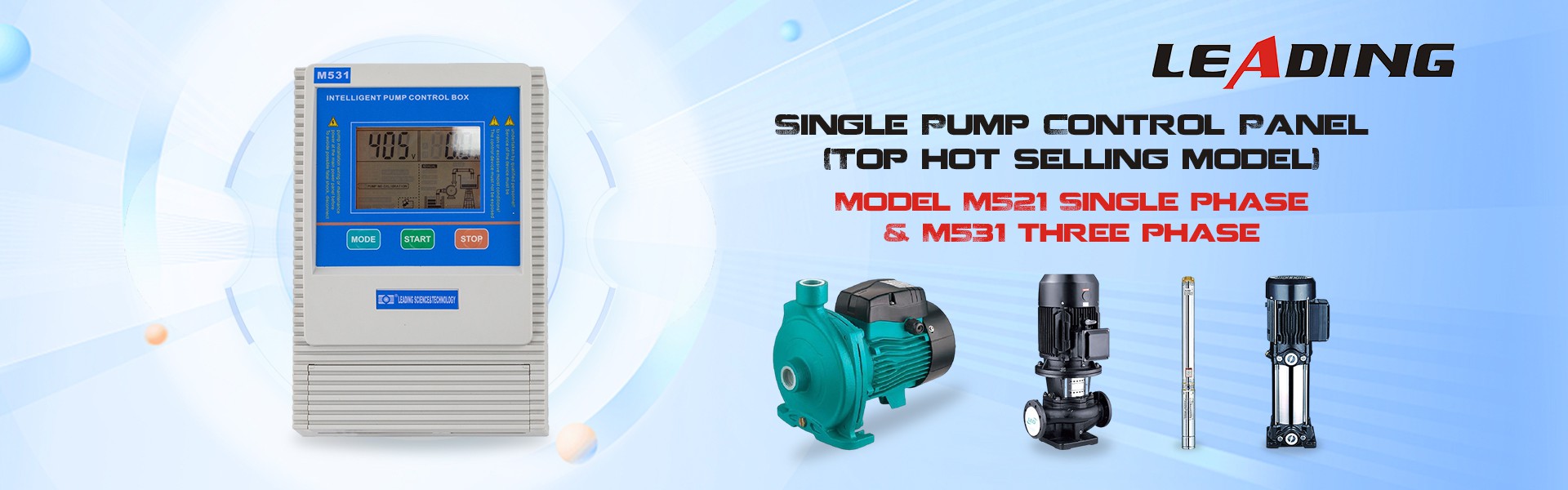
1. Electronic Control Systems: These systems integrate with pumps to monitor conditions and automatically shut down the pump when dry running is detected.
2. Mechanical Float Switches: Simple yet effective, these switches use a buoyant float to detect liquid levels and control pump operation.
3. Variable Frequency Drives (VFDs): VFDs can adjust the pump speed based on real-time feedback from sensors, helping prevent dry running.
Choosing the appropriate technology depends on the specific application and operational requirements.
Consequences of Dry Running a Pump
Running a pump dry can have severe consequences, including:
- Overheating: Without adequate lubrication from the fluid, internal pump components can overheat, leading to premature wear or failure.
- Material Degradation: Many pump components are not designed to operate in dry conditions, leading to material degradation and failure.
- Increased Maintenance Costs: Frequent pump failures due to dry running can lead to higher maintenance and repair costs over time.
- Operational Downtime: Pump failure results in downtime, disrupting production processes and causing financial losses.
To mitigate these risks, investing in dry run protection systems is crucial.
Types of Pumps Needing Dry Run Protection
Not all pumps require dry run protection, but several types benefit significantly from such mechanisms. These include:
- Centrifugal Pumps: Commonly used in various applications, centrifugal pumps are prone to damage from dry running conditions.
- Diaphragm Pumps: These pumps also require liquid for lubrication and cooling; otherwise, they risk overheating.
- Submersible Pumps: These pumps operate underwater, but if the fluid level drops, they can run dry, leading to failure.
For these pump types, effective dry run protection is vital.
Implementing Dry Run Protection: Best Practices
Successfully implementing dry run protection involves several best practices:
1. Assess Pump Requirements: Determine the specific needs of your pumping system and select appropriate dry run protection technologies accordingly.
2. Regular Maintenance: Ensure regular maintenance of sensors and protection systems to keep them operational and effective.
3. Training Staff: Train personnel on the importance of dry run protection, including proper monitoring and response procedures.
4. Integrate with Control Systems: Utilize integrated control systems to automate dry run protection, making it efficient and reliable.
By following these best practices, businesses can significantly reduce the risk of pump failure due to dry running.
The Future of Dry Run Protection Technology
The advancement of technology continuously shapes the future of dry run protection. Innovations in sensor technology, IoT integration, and machine learning are paving the way for more intelligent and responsive dry run protection systems. These advancements will enable real-time monitoring and predictive maintenance, significantly enhancing operational efficiency and minimizing downtime.
As industries increasingly prioritize sustainability and efficiency, the demand for sophisticated dry run protection solutions will continue to rise.
Frequently Asked Questions about Dry Run Protection
1. What is dry run protection for pumps?
Dry run protection refers to mechanisms that prevent pumps from operating without fluid, safeguarding against overheating and damage.
2. Why is dry run protection important?
It is crucial as it minimizes operational downtime, reduces maintenance costs, and prevents equipment failure.
3. What types of sensors are used for dry run protection?
Common sensors include capacitance sensors, ultrasonic sensors, and pressure sensors that monitor fluid levels.
4. Can all pumps benefit from dry run protection?
Not all pumps require it, but centrifugal, diaphragm, and submersible pumps significantly benefit from dry run protection mechanisms.
5. How can I implement dry run protection in my pumping system?
Implementation involves assessing pump requirements, regular maintenance of protection systems, staff training, and integrating with control systems.
Conclusion
In conclusion, understanding the mechanics of dry run protection for pumps is essential for ensuring their longevity and efficiency. By implementing effective dry run protection systems, businesses can safeguard their pumping operations against costly failures and disruptions. As technology evolves, so too will the methods of protecting pumps, paving the way for smarter, more efficient industrial processes. Investing in dry run protection is not just about safeguarding equipment; it is about enhancing the overall reliability of industrial operations.