

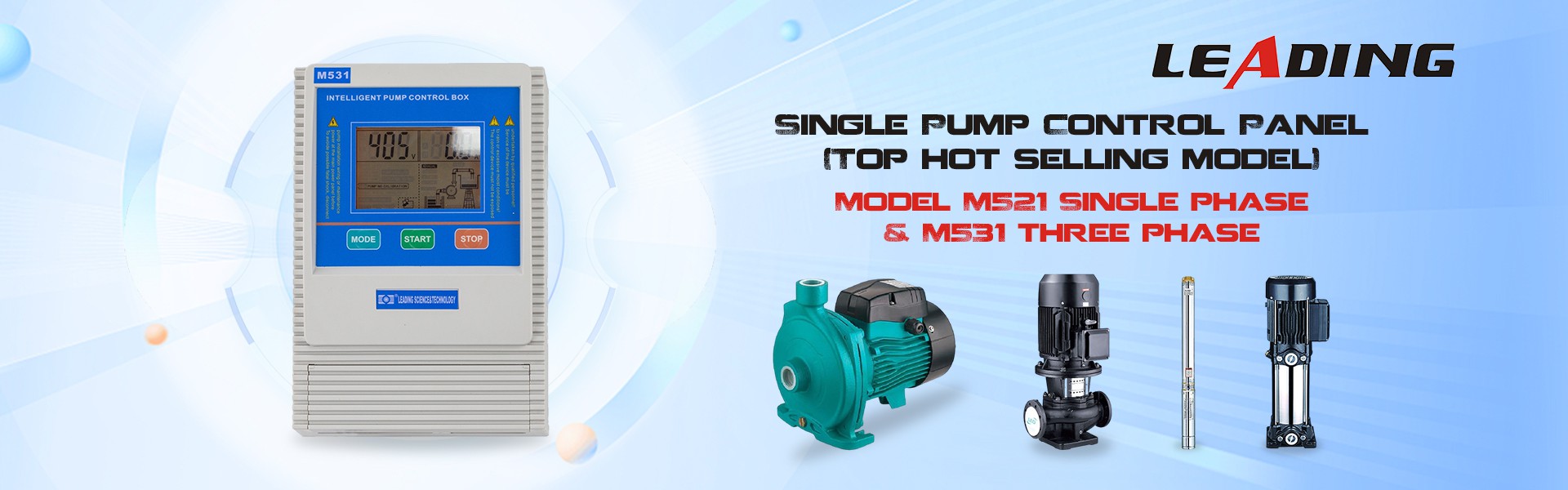


Mastering Your Submersible Pump: The Essential Role of a Water Pump Controller Box
Submersible pumps are indispensable in various applications, from residential water supply systems to agricultural irrigation and industrial processes. However, these powerful devices require effective management to ensure optimal performance and longevity. Enter the water pump controller box-an essential component that plays a critical role in the operation of submersible pumps. In this article, we will explore the importance of water pump controller boxes, their functionalities, installation processes, and troubleshooting tips to help you master your submersible pump.
Table of Contents
2. Understanding Water Pump Controller Boxes
3. Key Components of Water Pump Controllers
4. Functionalities of a Water Pump Controller Box
5. Installation Process for Water Pump Controller Boxes
6. Troubleshooting Common Issues
7. Maintenance Tips for Optimal Performance
1. Introduction
The functionality of a submersible pump can be significantly enhanced with the right water pump controller box. This device not only regulates the operation of the pump but also plays a crucial role in protecting it from damage. Understanding how the controller box works and its integral components can empower users to maximize the efficiency and longevity of their submersible pump systems.
2. Understanding Water Pump Controller Boxes
A water pump controller box is an electrical device designed to manage the operation of submersible pumps. It acts as the brain of the system, controlling the pump's cycle, monitoring performance, and ensuring that the pump operates within set parameters. These boxes come in various configurations, tailored to specific applications, from domestic use to industrial scenarios.
Why You Need a Water Pump Controller Box
The primary reason for utilizing a water pump controller box is to ensure the efficient and safe operation of your submersible pump. Without a controller, the pump can run continuously, leading to overheating, excessive wear, and even failure. A controller box helps in:
Preventing dry running, which occurs when a pump operates without water.
Monitoring power consumption and pump performance.
Automatically switching the pump on and off based on water levels.
Providing protection against electrical faults.
3. Key Components of Water Pump Controllers
Understanding the individual components of a water pump controller box can help users appreciate its functionality and how to troubleshoot any issues that may arise. Here are some key components:
Control Panel
The control panel is the interface where users can monitor the pump's status and control settings. It typically features indicators for power, water levels, and operational modes.
Sensors
Sensors are critical for detecting water levels and monitoring pump performance. They provide real-time data that allow the controller to make necessary adjustments, ensuring the pump operates efficiently.
Relay System
The relay system is responsible for switching the pump on and off based on the signals received from the sensors. This system protects the pump from running dry or becoming overloaded.
Protection Circuitry
Protection circuitry guards against electrical faults, such as overloads and short circuits, providing an additional layer of safety for the pump system.
Display Unit
Many modern controller boxes come equipped with a display unit that provides real-time data, allowing users to monitor the pump's performance easily.
4. Functionalities of a Water Pump Controller Box
Water pump controller boxes offer a range of functionalities designed to enhance the efficiency and safety of submersible pumps:
Automatic Control
One of the primary functions of a water pump controller box is automatic control. It allows the pump to operate only when necessary, reducing energy consumption and preventing wear and tear.
Water Level Monitoring
By continuously monitoring water levels, the controller box can prevent dry running and ensure that the pump operates only when there is adequate water supply, thereby extending its lifespan.
Overload Protection
The controller box can detect when the pump is under too much load and will automatically shut it down to prevent damage. This feature is crucial for maintaining the pump's integrity over time.
Alerts and Notifications
Advanced water pump controllers come equipped with alert systems that notify users of any operational issues, such as low water levels, electrical faults, or pump failures. This allows for immediate corrective action, minimizing downtime.
5. Installation Process for Water Pump Controller Boxes
Installing a water pump controller box is a crucial step in setting up a submersible pump system. Here's a step-by-step guide to ensure proper installation:
Gather Necessary Tools and Equipment
Before beginning the installation, gather the necessary tools and equipment, including:
Wire cutters and strippers
Drill and drill bits
Screwdriver
Wrenches
Safety gear
Turn Off Power Supply
For safety reasons, always turn off the power supply to the pump before starting the installation process.
Mount the Controller Box
Select a suitable location for the controller box, ensuring it is protected from moisture and environmental conditions. Use screws or brackets to securely mount the box.
Wiring the Controller
Follow the manufacturer's wiring diagram to connect the controller to the pump and power supply. Ensure all connections are secure and insulated to avoid electrical hazards.
Connect Sensors
If applicable, install the water level sensors according to the manufacturer's instructions. Ensure they are placed at the correct height to accurately monitor water levels.
Testing the System
Once everything is connected, turn on the power supply and test the system. Monitor the pump's operation to ensure that the controller is functioning as expected.
6. Troubleshooting Common Issues
Even with a well-installed water pump controller box, issues may arise. Here are some common problems and their solutions:
Pump Does Not Start
If the pump fails to start, check the following:
Ensure the power supply is connected and functioning.
Verify that the control panel is set correctly.
Check for any blown fuses or tripped circuit breakers.
Pump Runs Continuously
If the pump operates continuously, it may be due to faulty sensors or incorrect settings. Inspect the sensors for proper placement and functionality, and adjust settings as necessary.
Pump Overheating
Overheating can indicate an overload or dry running situation. Verify that the pump is submerged adequately and check for blockages in the pump intake.
7. Maintenance Tips for Optimal Performance
Regular maintenance of your water pump controller box and submersible pump is crucial for ensuring efficient operation. Consider the following tips:
Routine Inspections
Conduct regular inspections of the controller box, wiring, and pump. Look for any signs of wear, corrosion, or damage that may require attention.
Clean Filters and Intake
Ensure that all filters and the pump intake are clean and free from debris. Clogged filters can lead to reduced performance and potential damage.
Check Electrical Connections
Periodically check all electrical connections to ensure they are secure and free from corrosion. Loose connections can lead to operational issues.
8. Frequently Asked Questions
What is the primary function of a water pump controller box?
The primary function is to manage the operation of the submersible pump, including automatic control, monitoring water levels, and providing overload protection.
Can I install a water pump controller box myself?
Yes, with basic electrical knowledge and adherence to safety procedures, you can install a water pump controller box yourself, following the manufacturer's instructions.
How often should I maintain my water pump system?
Regular maintenance should be performed at least once a year, but more frequent checks may be necessary depending on usage and environmental conditions.
What are the signs of a failing water pump controller?
Signs include the pump not starting, running continuously, or abnormal noises. Any irregularities should be addressed promptly to avoid further damage.
Can I use a water pump controller box with any type of submersible pump?
Most controller boxes are designed for specific pump types, so it's essential to choose one compatible with your pump's specifications.
9. Conclusion
Mastering your submersible pump requires an understanding of the essential role a water pump controller box plays in the system. By knowing how to properly install, troubleshoot, and maintain this critical component, you can enhance the performance and longevity of your pump. Whether you are a homeowner or a professional, having a thorough grasp of water pump controllers will empower you to manage your submersible pump system effectively, ensuring reliable water supply and peace of mind.