


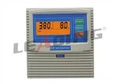
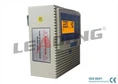


As a supplier of Duplex Pump Controllers, I often receive inquiries from various industries about the applicability of our products in different systems. One question that comes up quite frequently is whether a Duplex Pump Controller can be used in a fire - fighting water system. In this blog post, I will delve into this topic, exploring the technical aspects, advantages, and potential challenges of using a Duplex Pump Controller in such a critical system.
Understanding the Fire - Fighting Water System
Before we discuss the compatibility of a Duplex Pump Controller with a fire - fighting water system, it's essential to understand the basic requirements of the latter. A fire - fighting water system is designed to provide a reliable and sufficient supply of water to extinguish fires. It typically consists of pumps, pipes, valves, and a control system. The pumps are the heart of the system, and they need to be able to start quickly, maintain a stable pressure, and deliver a large volume of water when needed.
The control system plays a crucial role in ensuring the proper operation of the pumps. It monitors the system's pressure, flow rate, and other parameters, and it can start and stop the pumps automatically based on pre - set conditions. In a fire - fighting water system, the control system must be highly reliable and responsive to ensure that the pumps can be activated immediately in case of a fire.
What is a Duplex Pump Controller?
A Duplex Pump Controller is a device that is used to control two pumps in a system. It can operate the pumps alternately or simultaneously, depending on the demand. The controller can monitor the system's pressure, level, or other variables and adjust the operation of the pumps accordingly. For example, when the pressure in the system drops below a certain level, the controller can start one or both pumps to increase the pressure.
There are different types of Duplex Pump Controllers available in the market. For instance, the Dual Pump Control Panel is a comprehensive solution that offers advanced features for controlling two pumps. It can handle various applications, including water supply, sewage, and industrial processes. Another type is the Sewage Pump Controller for 3 Phase Under Voltage Protection, which is specifically designed to protect the pumps from under - voltage conditions in a three - phase system. The Duplex Alternating Three Phase Pump Controller is also a popular choice, as it allows the two pumps to operate alternately, which helps to extend the lifespan of the pumps.
Advantages of Using a Duplex Pump Controller in a Fire - Fighting Water System
- Redundancy: One of the main advantages of using a Duplex Pump Controller in a fire - fighting water system is redundancy. In case one pump fails, the other pump can still operate, ensuring that there is a continuous supply of water to the fire - fighting system. This is crucial in a fire - fighting situation, where any interruption in the water supply can have serious consequences.
- Load Sharing: A Duplex Pump Controller can distribute the workload between the two pumps. By operating the pumps alternately, the controller can prevent over - usage of a single pump, which can extend the lifespan of the pumps and reduce maintenance costs.
- Automatic Operation: The controller can automatically start and stop the pumps based on the system's pressure. In a fire - fighting water system, this means that the pumps can be activated immediately when the pressure drops due to a fire, without the need for manual intervention.
- Flexibility: Duplex Pump Controllers can be configured to meet the specific requirements of a fire - fighting water system. For example, they can be set to start both pumps simultaneously in case of a large - scale fire, or they can start one pump first and then the other if the demand increases.
Technical Considerations
While a Duplex Pump Controller offers many advantages for a fire - fighting water system, there are also some technical considerations that need to be taken into account.
- Pressure Rating: The controller must be able to handle the high pressure requirements of a fire - fighting water system. Fire - fighting pumps typically need to generate a high pressure to deliver water to the upper floors of a building or over a long distance. The controller should be able to monitor and control the pumps within this high - pressure range.
- Response Time: In a fire - fighting situation, every second counts. The controller must have a fast response time to ensure that the pumps can be started immediately when needed. This requires a reliable sensing mechanism and a robust control algorithm.
- Compatibility with Pumps: The Duplex Pump Controller must be compatible with the type of pumps used in the fire - fighting water system. Different pumps have different characteristics, such as flow rate, pressure, and power consumption. The controller should be able to adjust its operation to match the pumps' specifications.
- Safety Features: The controller should have built - in safety features to protect the pumps and the system from damage. For example, it should have over - current protection, over - temperature protection, and under - voltage protection.
Potential Challenges
Despite the many benefits, there are also some potential challenges associated with using a Duplex Pump Controller in a fire - fighting water system.
- Regulatory Compliance: Fire - fighting water systems are subject to strict regulations and standards. The use of a Duplex Pump Controller must comply with these regulations to ensure the safety and reliability of the system. Suppliers need to ensure that their products meet the relevant standards, such as UL (Underwriters Laboratories) or FM (Factory Mutual) certifications.
- Maintenance and Testing: Regular maintenance and testing are essential for the proper operation of a fire - fighting water system. The Duplex Pump Controller needs to be tested regularly to ensure that it is functioning correctly. This requires trained personnel and specialized equipment.
- Cost: The initial cost of a Duplex Pump Controller and the associated installation can be relatively high. However, it is important to consider the long - term benefits, such as reduced maintenance costs and increased reliability, when evaluating the cost - effectiveness of the system.
Conclusion
In conclusion, a Duplex Pump Controller can be used in a fire - fighting water system, provided that the technical requirements are met and the potential challenges are addressed. The controller offers many advantages, such as redundancy, load sharing, automatic operation, and flexibility, which can enhance the performance and reliability of the fire - fighting water system.


As a supplier of Duplex Pump Controllers, we are committed to providing high - quality products that meet the strict requirements of fire - fighting water systems. Our products are designed to be reliable, efficient, and easy to use. If you are interested in using our Duplex Pump Controllers in your fire - fighting water system, we invite you to contact us for more information and to discuss your specific needs. We look forward to the opportunity to work with you and to help you ensure the safety and reliability of your fire - fighting water system.
References
- NFPA 20: Standard for the Installation of Stationary Pumps for Fire Protection
- UL 448: Standard for Pump Controllers
- FM Global Data Sheets on Fire - Fighting Water Systems