


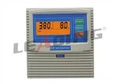
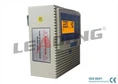


As a supplier of Universal Three Phase Pump Control Panels, I am often asked whether these panels can be integrated with a building management system (BMS). In this blog post, I will explore this question in detail, discussing the technical aspects, benefits, challenges, and real - world applications of integrating a universal three - phase pump control panel with a BMS.
Technical Feasibility
The first question that comes to mind is whether it is technically possible to integrate a universal three - phase pump control panel with a BMS. The answer is a resounding yes. Most modern universal three - phase pump control panels are equipped with a variety of communication interfaces, such as Modbus, Profibus, Ethernet, and CAN bus. These interfaces allow the control panel to communicate with other devices, including the BMS.
The BMS, on the other hand, is designed to monitor and control various building systems, such as HVAC, lighting, and security. By integrating the pump control panel with the BMS, the building operators can have a centralized control and monitoring system for all the pumps in the building. For example, the BMS can receive real - time data from the pump control panel, such as pump status (running, stopped, fault), motor current, and pump pressure. Based on this data, the BMS can make intelligent decisions, such as starting or stopping the pumps, adjusting the pump speed, or sending an alarm in case of a fault.
Benefits of Integration
There are several benefits to integrating a universal three - phase pump control panel with a BMS.
Energy Efficiency
One of the most significant benefits is energy efficiency. The BMS can optimize the pump operation based on the actual demand. For instance, in a building with a variable water demand, such as an office building, the BMS can adjust the pump speed according to the water flow requirements. This reduces the energy consumption of the pumps, leading to lower electricity bills.
Predictive Maintenance
Another benefit is predictive maintenance. The BMS can continuously monitor the pump parameters, such as motor temperature and vibration. By analyzing this data over time, the BMS can detect early signs of pump failure. This allows the building operators to schedule maintenance before a major breakdown occurs, reducing the downtime and maintenance costs.
Centralized Control and Monitoring
Integrating the pump control panel with the BMS provides a centralized control and monitoring platform. Building operators can access the pump status and control the pumps from a single location, regardless of where the pumps are installed in the building. This improves the operational efficiency and reduces the response time in case of an emergency.
Challenges of Integration
While the integration of a universal three - phase pump control panel with a BMS offers many benefits, there are also some challenges.
Compatibility Issues
One of the main challenges is compatibility issues. Different pump control panels and BMS systems may use different communication protocols and data formats. Therefore, it is essential to ensure that the pump control panel and the BMS are compatible before the integration. This may require some customization or the use of a gateway device to translate the communication between the two systems.
Installation and Configuration
The installation and configuration of the integration can be complex. It requires a good understanding of both the pump control panel and the BMS systems. In addition, proper wiring and grounding are crucial to ensure the reliable operation of the integrated system. Any mistakes during the installation and configuration can lead to communication failures or system malfunctions.
Security Concerns
With the integration of the pump control panel with the BMS, the system becomes more vulnerable to cyber - attacks. The BMS is often connected to the Internet for remote monitoring and control. This exposes the pump control panel to potential security threats, such as unauthorized access and data breaches. Therefore, it is necessary to implement proper security measures, such as firewalls, encryption, and user authentication.
Real - World Applications
There are many real - world applications where the integration of a universal three - phase pump control panel with a BMS has been successfully implemented.
Commercial Buildings
In commercial buildings, such as shopping malls and office buildings, the integration allows for efficient management of the water supply and drainage systems. For example, the BMS can control the pumps in the water storage tanks to ensure a constant water pressure throughout the building. It can also monitor the sewage pumps to prevent overflow and blockages.
Industrial Facilities
In industrial facilities, the integration is used to control and monitor the pumps in the process water systems. For instance, in a manufacturing plant, the BMS can adjust the pump speed according to the production requirements, ensuring the proper supply of water for the manufacturing processes.
Product Examples
We offer a range of universal three - phase pump control panels that are suitable for integration with a BMS. For example, our Doi Starter 3 Phase Irrigation Pump Control Panel for Holidays House is designed for irrigation systems in holiday houses. It can be easily integrated with a BMS to optimize the water usage.
Our Automatic Pump Controller Three Phase Pump Control Panel Specialized in Sewage Lifting is ideal for sewage lifting applications in buildings. It provides real - time data to the BMS, allowing for efficient sewage management.
The Single Sewage Pump Controller is another product that can be integrated with a BMS. It is suitable for small - scale sewage systems and offers reliable pump control and monitoring.
Conclusion
In conclusion, integrating a universal three - phase pump control panel with a BMS is not only technically feasible but also offers many benefits, such as energy efficiency, predictive maintenance, and centralized control. However, it also comes with some challenges, such as compatibility issues, installation complexity, and security concerns.


If you are interested in integrating our universal three - phase pump control panels with your building management system, please feel free to contact us for more information and to discuss your specific requirements. We have a team of experts who can provide you with professional advice and support throughout the integration process.
References
- "Building Automation and Control Systems Handbook" by William A. Wulf and William A. Wulf Jr.
- "Pump Handbook" by Igor J. Karassik et al.
- Industry whitepapers on pump control panel and BMS integration.