


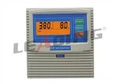
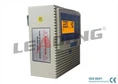


As a trusted supplier of single sewage pump controllers, I often encounter inquiries from customers about the overload protection threshold of these crucial devices. Understanding this threshold is essential for ensuring the safe and efficient operation of sewage pumps, preventing damage, and avoiding costly downtime. In this blog post, I will delve into the concept of the overload protection threshold, explain its significance, and provide insights into how it is determined.
What is Overload Protection?
Overload protection is a safety feature designed to safeguard electrical equipment, such as sewage pumps, from damage caused by excessive current flow. When a pump operates under normal conditions, it draws a specific amount of current based on its power rating and the load it is handling. However, various factors can cause the current to exceed this normal level, such as a blocked impeller, a jammed motor, or a sudden increase in the pumping load.
If the current continues to rise beyond the pump's rated capacity, it can generate excessive heat, which can damage the motor windings, insulation, and other components. Over time, this can lead to premature failure of the pump, resulting in costly repairs or replacements. Overload protection devices are installed in pump controllers to monitor the current flowing through the pump and automatically shut it off if the current exceeds a pre-set threshold.
The Significance of the Overload Protection Threshold
The overload protection threshold is the maximum current level at which the overload protection device will trip and shut off the pump. This threshold is carefully selected to balance the need for protecting the pump from damage and allowing it to operate under normal conditions without unnecessary interruptions.
Setting the threshold too low can cause the pump to trip frequently, even under normal operating conditions, leading to inconvenience and reduced productivity. On the other hand, setting the threshold too high can expose the pump to excessive current, increasing the risk of damage and failure. Therefore, it is crucial to determine the appropriate overload protection threshold based on the specific characteristics of the pump and the application.
Factors Affecting the Overload Protection Threshold
Several factors need to be considered when determining the overload protection threshold for a single sewage pump controller. These include:
- Pump Rating: The power rating of the pump, usually expressed in horsepower (HP) or kilowatts (kW), is a key factor in determining the overload protection threshold. The higher the power rating, the higher the normal operating current of the pump, and the higher the overload protection threshold should be set.
- Motor Efficiency: The efficiency of the pump motor affects the amount of current it draws for a given load. A more efficient motor will draw less current than a less efficient one, which means that the overload protection threshold can be set lower for a high-efficiency motor.
- Pump Application: The type of application in which the pump is used can also impact the overload protection threshold. For example, a pump used in a sewage treatment plant may be subject to more frequent start-stop cycles and higher loads than a pump used in a residential sump pit. In such cases, the overload protection threshold may need to be set higher to account for these factors.
- Environmental Conditions: The temperature, humidity, and altitude of the pump's operating environment can affect its performance and the amount of current it draws. In hot and humid conditions, the motor may need to work harder to maintain its performance, which can increase the current draw. Therefore, the overload protection threshold may need to be adjusted accordingly.
Determining the Overload Protection Threshold
To determine the appropriate overload protection threshold for a single sewage pump controller, it is recommended to follow these steps:
- Refer to the Pump Manufacturer's Specifications: The pump manufacturer's documentation usually provides information on the pump's rated current, maximum allowable current, and recommended overload protection settings. This information can serve as a starting point for determining the overload protection threshold.
- Consider the Application Requirements: As mentioned earlier, the type of application in which the pump is used can affect the overload protection threshold. Consider factors such as the frequency of start-stop cycles, the maximum load the pump is expected to handle, and any special requirements of the application.
- Use a Current Transformer or Ammeter: A current transformer or ammeter can be used to measure the actual current flowing through the pump under normal operating conditions. This can provide valuable information on the pump's current draw and help determine the appropriate overload protection threshold.
- Consult with an Electrical Engineer or Expert: If you are unsure about how to determine the overload protection threshold for your specific application, it is recommended to consult with an electrical engineer or an expert in pump control systems. They can provide professional advice and guidance based on their experience and knowledge.
Our Single Sewage Pump Controllers
At our company, we offer a wide range of single sewage pump controllers designed to provide reliable and efficient overload protection for sewage pumps. Our controllers are equipped with advanced overload protection devices that can be easily adjusted to set the appropriate overload protection threshold based on the specific requirements of the pump and the application.
In addition to overload protection, our single sewage pump controllers also feature other important functions, such as dry-run protection, phase loss protection, and motor over-temperature protection. These functions help to ensure the safe and reliable operation of the pump, reducing the risk of damage and downtime.
We also offer a variety of pump control panels, including Intelligent Three Phase Pump Control Panel Easy Maintansess, Industrial Three Phase Pump Control Panel with Pressure Switch Pressure Tank Control, and Three Phase Pump Control Panel for Rainwater Reuse Industrial Plants. These control panels are designed to provide comprehensive control and protection for three-phase pumps, making them suitable for a wide range of applications.
Contact Us for Procurement and洽谈
If you are interested in our single sewage pump controllers or other pump control products, we invite you to contact us for procurement and further discussion. Our team of experts is ready to assist you in selecting the right products for your specific needs and providing you with the best possible service.


References
- Electrical Installation Guide, National Electrical Code (NEC)
- Pump Handbook, Igor Karassik et al.
- Motor and Control Center Handbook, Square D Company