


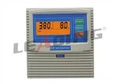
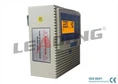


Hey there! As a supplier of Duplex Pump Controllers, I'm super stoked to chat with you about how these nifty devices interact with other components in a pumping system. It's like a well - choreographed dance where every part has its role to play, and the Duplex Pump Controller is the master choreographer.
Let's start with the basics. A duplex pump system typically consists of two pumps, a control panel (which houses the Duplex Pump Controller), sensors, and valves. The Duplex Pump Controller is the brain of the operation, constantly monitoring and making decisions to ensure the system runs smoothly.
Interaction with Pumps
The most direct interaction is, of course, with the pumps themselves. The Duplex Pump Controller decides when each pump should start and stop. There are a few different scenarios where this comes into play.
For instance, in a sewage pumping system, when the wastewater level in the sump reaches a certain point, the controller will kick in one of the pumps. As the level continues to rise, it might activate the second pump to handle the increased flow. This way, the system can handle different volumes of wastewater efficiently.
But it's not just about starting and stopping. The controller also manages the runtime of each pump. It alternates between the two pumps to ensure even wear and tear. This is crucial for extending the lifespan of the pumps. If one pump is always doing the heavy lifting, it's going to wear out much faster than the other.
Take our Duplex Pump Controller with 30 Min Recovery Time of Over Load. In case a pump gets overloaded, this controller gives it a 30 - minute recovery period. During this time, the other pump takes over the workload, preventing damage to the overloaded pump.
Interaction with Sensors
Sensors are like the eyes and ears of the pumping system, and the Duplex Pump Controller relies on them heavily. There are different types of sensors used in pumping systems, such as level sensors, pressure sensors, and flow sensors.
Level sensors are commonly used in sump pumps. They detect the liquid level in the sump. The controller receives signals from these sensors and uses that information to decide when to start and stop the pumps. For example, if the level sensor indicates that the water level in the sump is low, the controller will stop the pumps to prevent dry running.
Pressure sensors are important in systems where maintaining a certain pressure is crucial, like in a booster water system. The controller monitors the pressure readings from the sensors. If the pressure drops below a set threshold, it will start the pumps to increase the pressure. And if the pressure gets too high, it will stop the pumps to avoid damage to the pipes and other components.
Flow sensors, on the other hand, measure the rate of fluid flow. The controller can use this data to adjust the operation of the pumps. If the flow rate is too low, it might start an additional pump or increase the speed of the existing pumps.
Interaction with Valves
Valves play a vital role in controlling the flow of fluid in the pumping system, and the Duplex Pump Controller can interact with them in several ways.


In a system with check valves, the controller doesn't have direct control over them, but it needs to work in harmony with their function. Check valves prevent the backflow of fluid, ensuring that the pumped fluid moves in one direction. The controller needs to take this into account when starting and stopping the pumps.
For example, when a pump is stopped, the check valve closes to prevent the fluid from flowing back. The controller needs to be aware of this and not try to start the pump against a closed valve, which could cause damage.
In some systems, there are also control valves that can be adjusted to regulate the flow. The Duplex Pump Controller can send signals to these valves to open or close them partially or fully. This allows for more precise control of the fluid flow in the system.
Our Duplex Pump Controller Dry Run Protection for Sewage Pumping System is designed to work in tandem with valves to prevent dry running. If the controller detects a low - level condition, it can close the appropriate valves to prevent air from entering the system and causing damage to the pumps.
Interaction with the Control Panel
The control panel is the central hub where the Duplex Pump Controller is installed. It provides a user - interface for operators to monitor and adjust the settings of the controller.
The controller communicates with the control panel to display important information such as pump status (running, stopped, overloaded), sensor readings, and any error messages. Operators can use the control panel to set parameters like the start and stop levels for the pumps, the pressure thresholds, and the pump alternation intervals.
For example, in a booster water system, an operator can use the control panel to set the desired pressure for the water supply. The controller will then work to maintain that pressure by starting and stopping the pumps as needed.
Our Duplex Pump Controller Wall Mounting for Booster Water is designed to be easily installed on the control panel. Its wall - mounting feature makes it convenient for operators to access and monitor the system.
Why It All Matters
The seamless interaction between the Duplex Pump Controller and other pumping system components is crucial for the overall performance and reliability of the system.
When all the components work together harmoniously, the system can operate efficiently, saving energy and reducing maintenance costs. For example, by alternating the pumps and preventing overloading, the lifespan of the pumps is extended, which means less money spent on replacements.
In addition, proper interaction ensures the safety of the system. For instance, dry - run protection prevents damage to the pumps, which could lead to leaks and other hazards.
Conclusion
In conclusion, the Duplex Pump Controller is the linchpin in a pumping system, interacting with pumps, sensors, valves, and the control panel to keep everything running smoothly. Whether it's a sewage pumping system, a booster water system, or any other type of pumping application, our controllers are designed to provide reliable and efficient performance.
If you're in the market for a high - quality Duplex Pump Controller or want to learn more about how it can enhance your pumping system, we'd love to have a chat with you. Reach out to us to start a discussion about your specific needs and see how we can help you optimize your pumping system.
References
- Pump Handbook, Karassik et al.
- Principles of Pumping Systems, Hydraulic Institute