



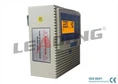


As a supplier of Intelligent Digital Duplex Sewage Pump Control, I am excited to share with you how our advanced control system coordinates the operation of two pumps in different working modes. This technology not only enhances the efficiency and reliability of sewage pumping systems but also provides significant cost - savings and convenience for users.
Understanding the Basics of Intelligent Digital Duplex Sewage Pump Control
Before delving into the coordination of two pumps, it's essential to understand the core functions of an intelligent digital duplex sewage pump control system. This system is designed to monitor and manage the operation of two sewage pumps based on various parameters such as water level, flow rate, and power consumption. It uses sophisticated sensors and algorithms to make real - time decisions, ensuring that the pumps work in harmony to meet the specific requirements of the sewage handling task.
Working Modes and Their Significance
There are several common working modes in which an intelligent digital duplex sewage pump control system can operate. Each mode is tailored to different scenarios and user needs.
Alternate Mode
In the alternate mode, the control system alternates the operation of the two pumps. For example, Pump A starts first when the water level reaches a certain set point. Once the water level drops to a lower level, Pump A stops, and the next time the water level rises again, Pump B takes over. This mode has several advantages. Firstly, it evenly distributes the wear and tear between the two pumps, extending their service life. Secondly, it reduces the risk of a single pump failure causing a complete system shutdown.
Lead - Lag Mode
The lead - lag mode designates one pump as the lead pump and the other as the lag pump. The lead pump is the primary pump that starts when the water level rises to the activation point. The lag pump only starts if the lead pump fails to lower the water level within a specified time or if the water level continues to rise rapidly. This mode provides an extra layer of redundancy. For instance, in a sewage system where a large volume of water needs to be handled quickly, the lead pump can handle normal inflows, and the lag pump can be activated as a backup during peak loads.
Parallel Mode
In the parallel mode, both pumps operate simultaneously. This mode is useful when there is a high - volume sewage inflow that requires a large pumping capacity. The control system ensures that the two pumps work in parallel, sharing the load equally. However, it also needs to manage the flow and pressure to prevent any imbalance between the two pumps.


Coordination Mechanisms in Different Working Modes
Alternate Mode Coordination
To coordinate the pumps in the alternate mode, the control system uses a timer and a water level sensor. The timer keeps track of which pump was used last, and the water level sensor determines when to start and stop the pumps. When the water level rises above the start level, the control system checks the timer. If Pump A was the last pump to operate, it activates Pump B. The control system also monitors the power consumption and running time of each pump. If a pump shows abnormal power consumption or runs for an unusually long time, the system can trigger an alarm and may switch to a different mode or even stop the pump to prevent damage.
Lead - Lag Mode Coordination
In the lead - lag mode, the control system constantly monitors the performance of the lead pump. It uses sensors to measure the flow rate, pressure, and power consumption of the lead pump. If the flow rate is below the expected level or the power consumption is too high, indicating a possible problem with the lead pump, the control system activates the lag pump. Additionally, the system can perform self - diagnostic checks on the pumps. For example, it can check the motor temperature, vibration, and electrical insulation of both pumps. If any abnormal conditions are detected, appropriate actions can be taken, such as shutting down the faulty pump and activating the other one.
Parallel Mode Coordination
Coordinating the two pumps in parallel mode is more complex. The control system needs to ensure that the flow and pressure of the two pumps are balanced. It uses flow meters and pressure sensors to monitor the output of each pump. If there is a significant difference in the flow or pressure between the two pumps, the control system can adjust the speed of the pumps. For example, if Pump A is pumping at a higher flow rate than Pump B, the system can reduce the speed of Pump A or increase the speed of Pump B to achieve a balanced operation. This not only improves the efficiency of the pumping system but also reduces the stress on the pipes and other components.
Our Product Offerings
As a supplier, we offer a range of intelligent digital duplex sewage pump control products. For example, our Three Phase Duplex Pump Controller for Drainage Pump is specifically designed for drainage applications. It can effectively coordinate the operation of two three - phase pumps in different working modes, ensuring reliable and efficient drainage.
Our Mobile Automatic Water Pump Controller with Starter is a portable and easy - to - install solution. It is suitable for various water pumping scenarios, including sewage pumping in temporary or mobile settings.
Another product is the Three Phase Sewage Water Pump Controller Specialized in Sewage Lifting. This controller is optimized for sewage lifting applications, where it can handle the unique challenges of sewage, such as solid particles and high - viscosity fluids.
Contact for Purchase and Consultation
If you are interested in our intelligent digital duplex sewage pump control products or have any questions about how these products can meet your specific needs, we invite you to contact us for a detailed consultation. Our team of experts is ready to assist you in choosing the right product and configuration for your sewage pumping system. Whether you are a small - scale business or a large - scale industrial operation, we have the solutions to help you manage your sewage effectively.
References
- "Pump Handbook" by Igor Karassik. This comprehensive handbook provides in - depth knowledge about pump systems, including control strategies and working modes.
- "Control Engineering of Pumping Systems" by various industry experts. It offers insights into the latest control technologies and best practices for coordinating multiple pumps.