




Pressure-based pump control is a critical aspect in various water management and industrial applications. As a leading pump control supplier, understanding how pressure - based pump control operates is essential for both our customers and us. In this blog, we'll delve into the fundamental principles, components, applications, and advantages of pressure - based pump control systems.
Basic Principles of Pressure - Based Pump Control
Pressure - based pump control systems operate based on the principle of maintaining a specific pressure level within a system. When the pressure in the system drops below a pre - set value, the pump is activated to increase the pressure. Conversely, when the pressure reaches an upper limit, the pump is turned off.
This control mechanism is crucial in ensuring a consistent and reliable supply of water or other fluids. For instance, in a domestic water supply system, a pressure - based pump control system can ensure that there is always sufficient water pressure for daily use, such as for showering, washing dishes, or flushing toilets.
The operation is centered around a pressure sensor, which continuously monitors the pressure in the system. The sensor sends signals to a controller, which then decides whether to start or stop the pump based on the pre - set pressure thresholds.
Components of a Pressure - Based Pump Control System
A typical pressure - based pump control system consists of several key components:
Pressure Sensor
The pressure sensor is the eyes and ears of the system. It measures the pressure of the fluid in the pipeline and converts this physical quantity into an electrical signal. There are different types of pressure sensors available, such as mechanical pressure switches and electronic pressure transducers. Mechanical pressure switches are simple and cost - effective, but they may have limited accuracy and durability. Electronic pressure transducers, on the other hand, offer higher accuracy and can provide a more precise measurement of pressure.
Controller
The controller is the brain of the pressure - based pump control system. It receives the signals from the pressure sensor and compares the measured pressure with the pre - set pressure limits. Based on this comparison, the controller sends commands to start or stop the pump. Modern controllers are often programmable, allowing users to adjust the pressure setpoints and other operating parameters according to their specific requirements.


Pump
The pump is the component that actually moves the fluid through the system. Different types of pumps can be used in pressure - based pump control systems, such as centrifugal pumps and positive displacement pumps. The choice of pump depends on factors like the required flow rate, pressure, and the type of fluid being pumped.
Pressure Tank
A pressure tank is often used in conjunction with a pressure - based pump control system. The tank serves as a buffer, storing water under pressure. When the pump is running, it fills the tank and builds up pressure. When the water is used, the pressure in the tank decreases, and the pump is activated to refill the tank and maintain the pressure. This helps to reduce the frequency of pump starts and stops, which can extend the pump's lifespan and save energy.
Working Process of Pressure - Based Pump Control
Let's take a closer look at how a pressure - based pump control system works step by step:
- Initial State: The system starts with a certain pressure level in the pipeline and the pressure tank. If the pressure is within the normal operating range, the pump is idle.
- Pressure Drop: When water is used from the system, such as when a faucet is opened, the pressure in the pipeline and the tank begins to drop.
- Sensor Detection: The pressure sensor continuously monitors the pressure. Once the pressure drops below the lower setpoint, the sensor sends a signal to the controller.
- Pump Activation: The controller receives the signal from the sensor and interprets it. It then sends a command to the pump to start running. The pump begins to draw water from the source (e.g., a well) and pumps it into the pipeline and the pressure tank.
- Pressure Increase: As the pump runs, the pressure in the pipeline and the tank starts to increase.
- Upper Setpoint Reached: When the pressure reaches the upper setpoint, the pressure sensor sends another signal to the controller.
- Pump Shutdown: The controller receives the signal indicating that the upper setpoint has been reached and sends a command to stop the pump. The system then remains in this state until the pressure drops again.
Applications of Pressure - Based Pump Control Systems
Pressure - based pump control systems have a wide range of applications in different industries and settings:
Domestic Water Supply
In residential buildings, pressure - based pump control systems are used to ensure a constant water pressure for household use. They can be installed in conjunction with well pumps or booster pumps to provide sufficient pressure for all water outlets in the house.
Irrigation Systems
In agricultural and landscaping applications, pressure - based pump control systems are essential for maintaining the correct pressure in irrigation pipelines. This ensures that water is evenly distributed to all areas of the field or garden, improving the efficiency of water use and the health of the plants.
Industrial Processes
Many industrial processes require a precise and consistent pressure of fluids. For example, in chemical manufacturing, food processing, and oil and gas production, pressure - based pump control systems are used to control the flow of liquids and gases, ensuring the quality and safety of the production process.
Advantages of Pressure - Based Pump Control Systems
There are several advantages to using pressure - based pump control systems:
Energy Efficiency
By only running the pump when necessary, pressure - based pump control systems can significantly reduce energy consumption. The pump is not constantly running at full capacity but is instead activated and deactivated based on the actual demand for fluid, which helps to save electricity.
Extended Pump Lifespan
Frequent starts and stops can cause wear and tear on the pump. Pressure - based pump control systems, especially when used in conjunction with pressure tanks, can reduce the frequency of pump starts and stops, thereby extending the pump's lifespan and reducing maintenance costs.
Consistent Pressure
These systems ensure a consistent pressure in the pipeline, which is essential for many applications. Whether it's for a comfortable shower at home or a precise industrial process, a stable pressure is crucial for optimal performance.
Our Product Offerings
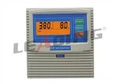
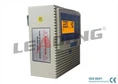
As a pump control supplier, we offer a variety of high - quality pressure - based pump control products. For example, our 3 Phase Well Pump Control Box is designed to provide reliable control for three - phase well pumps. It is equipped with advanced pressure sensors and controllers to ensure accurate and efficient operation.
Another product in our portfolio is the 3 Phase Submersible Pump Control Panel Automatic Water Pump Motor Controller. This control panel is specifically designed for submersible pumps and offers features such as overload protection, dry - running protection, and adjustable pressure setpoints.
Contact Us for Procurement
If you are in need of pressure - based pump control systems for your project, whether it's for a small domestic application or a large - scale industrial process, we are here to help. Our team of experts can provide you with professional advice on the selection of the right pump control products for your specific needs. We welcome you to contact us to discuss your requirements and start a procurement negotiation.
References
- "Pump Handbook" by Igor Karassik, Joseph P. Messina, Paul Cooper, Charles C. Heald
- "Fluid Mechanics and Hydraulics" by Mott, Robert L.
- Industry whitepapers on pump control technology from leading manufacturers.