


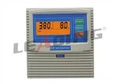
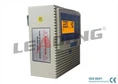


Hey there! As a supplier of single sewage pump controllers, I often get asked about how over-voltage and under-voltage protection work in these nifty devices. So, I thought I'd take a few minutes to break it down for you in a way that's easy to understand.
First off, let's talk about why over-voltage and under-voltage protection is so important in a single sewage pump controller. Sewage pumps are a crucial part of many plumbing and wastewater systems. They help move sewage from lower to higher levels, ensuring that everything flows smoothly and that your plumbing doesn't back up. But these pumps are also sensitive to changes in voltage.
If the voltage is too high (over-voltage), it can cause excessive current to flow through the pump's motor. This can lead to overheating, which can damage the motor windings over time. In extreme cases, it can even cause the motor to burn out completely. On the other hand, if the voltage is too low (under-voltage), the pump may not have enough power to operate properly. It might run at a reduced speed, or it might not start up at all. This can lead to sewage backups and other plumbing problems.
So, how does the over-voltage and under-voltage protection in a single sewage pump controller actually work? Well, most modern single sewage pump controllers are equipped with voltage sensors. These sensors continuously monitor the voltage of the electrical supply that's powering the pump.
When the voltage sensor detects a voltage that's higher than the set over-voltage threshold, the controller will take action to protect the pump. It might be programmed to immediately shut off the pump to prevent any damage from occurring. Once the voltage returns to a safe level, the controller can then restart the pump automatically or wait for a manual reset, depending on how it's configured.
Similarly, when the voltage sensor detects a voltage that's lower than the set under-voltage threshold, the controller will also spring into action. Again, it might shut off the pump to avoid any issues with improper operation. And just like with over-voltage protection, once the voltage returns to a suitable level, the pump can be restarted either automatically or manually.
Let me give you an example. Suppose you have a single sewage pump controller installed in your home's septic system. The controller has been set with an over-voltage threshold of 250 volts and an under-voltage threshold of 200 volts. Under normal circumstances, the electrical supply is providing a stable voltage of around 220 volts, and the pump is running smoothly, doing its job of moving sewage out of your house.
But one day, there's a power surge in your area, and the voltage suddenly spikes to 260 volts. The voltage sensor in the single sewage pump controller quickly detects this over-voltage condition. In response, the controller immediately shuts off the pump. This prevents the pump's motor from being damaged by the excessive current that would otherwise flow through it due to the high voltage. Once the power surge passes and the voltage drops back to the normal range of around 220 volts, the controller can restart the pump, and things are back to normal.
Now, the specific way that the over-voltage and under-voltage protection works can vary depending on the make and model of the single sewage pump controller. Some controllers may have more advanced features, like adjustable voltage thresholds. This means that you can customize the over-voltage and under-voltage settings to better suit your specific needs and the electrical conditions in your area.


At our company, we offer a range of single sewage pump controllers with top-notch over-voltage and under-voltage protection. For example, we have the Automatic Pump Controller Three Phase Pump Control Panel Specialized in Sewage Lifting. This controller is designed for three-phase systems and is specifically tailored for sewage lifting applications. It comes with reliable voltage protection features to ensure the longevity and proper operation of your sewage pump.
Another great option is our Three Phase Sewage Lifting Pump Controller with Manual & Auto Mode. This controller offers the flexibility of both manual and automatic operation, and its over-voltage and under-voltage protection mechanisms are highly effective in safeguarding your pump from voltage-related issues.
And if you're looking for a stylish yet functional option, our White Three Phase Pump Control Panel is a great choice. It not only provides excellent voltage protection but also adds a touch of elegance to your pump setup.
In conclusion, the over-voltage and under-voltage protection in a single sewage pump controller is a vital feature that helps protect your pump from electrical damage and ensures that it operates efficiently. By continuously monitoring the voltage and taking appropriate action when necessary, these controllers can save you from costly pump repairs and plumbing headaches.
If you're in the market for a high-quality single sewage pump controller with reliable over-voltage and under-voltage protection, we'd love to talk to you. We can help you find the right controller for your specific needs and answer any questions you might have. Don't hesitate to reach out for a consultation and start the purchasing process.
References
- Electrical Engineering Books on Pump Control Systems
- Manufacturer's Manuals for Single Sewage Pump Controllers