




As a supplier of Holidays House Intelligent Pump Controllers, I often get asked about the maximum number of pumps that our controllers can handle. This is a crucial question for many customers, especially those with large - scale pumping systems or complex water management needs. In this blog post, I'll delve into the details of how many pumps our Holidays House Intelligent Pump Controllers can control at most, exploring the factors that influence this capacity and showcasing the capabilities of our products.

Understanding the Basics of Our Pump Controllers
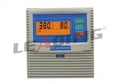
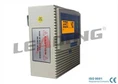
Before we discuss the maximum number of pumps, let's briefly introduce our range of intelligent pump controllers. We offer a variety of models designed to meet different requirements. For instance, the Pump Controller with Wide LCD Display Running Information provides users with clear and real - time information about the pump's operation, which is extremely useful for monitoring. The Auto Single Phase Water Pump Controller with Built - In Water Level Control is ideal for single - phase water pumps and comes with a built - in water level control feature, making it a popular choice for domestic and small - scale applications. And the Intelligent Digital Pump Controller with 3 Phase Pump Control Panel is specifically designed for three - phase pumps, offering advanced control functions.
Factors Affecting the Number of Pumps a Controller Can Handle
-
Power Capacity The power capacity of a pump controller is one of the most important factors. Each pump requires a certain amount of electrical power to operate. Our pump controllers are rated for a specific power output. For example, if a pump controller has a maximum power output of 5 kW and each pump consumes 1 kW, in theory, it can control up to 5 pumps. However, in practice, we need to consider some safety margins. Electrical systems can experience fluctuations, and overloading the controller can lead to malfunctions or even damage. So, when calculating the number of pumps based on power capacity, we usually recommend leaving a 20 - 30% safety margin.

-
Control Logic and Programming The control logic and programming of our pump controllers also play a significant role. Some of our advanced controllers are designed with complex algorithms that can manage multiple pumps in a coordinated way. For example, they can implement sequential start - stop operations, load balancing, and priority control. This means that even if the power capacity allows for a certain number of pumps, the control logic might limit the number if it cannot handle the complexity of controlling them all simultaneously.
-
Communication and Monitoring Requirements In modern pumping systems, communication and monitoring are essential. Our intelligent pump controllers are equipped with communication interfaces that allow for remote monitoring and control. However, as the number of pumps increases, the data traffic and communication requirements also grow. If too many pumps are connected to a single controller, it might face difficulties in processing and transmitting all the data in a timely manner. This can affect the overall performance and reliability of the system.

Maximum Pump Capacity of Different Models
-
Single - Phase Controllers Our single - phase pump controllers, such as the Auto Single Phase Water Pump Controller with Built - In Water Level Control, are typically designed for small - to - medium - sized applications. They can usually control up to 2 - 3 single - phase pumps. These controllers are often used in domestic water supply systems, small farms, or individual buildings. The relatively lower power capacity and simpler control logic are suitable for these applications where the number of pumps is limited.
-
Three - Phase Controllers Three - phase pump controllers, like the Intelligent Digital Pump Controller with 3 Phase Pump Control Panel, have a higher power capacity and more advanced control features. They can handle a larger number of pumps. Depending on the specific model and its power rating, they can control anywhere from 3 - 8 three - phase pumps. These controllers are commonly used in industrial settings, large commercial buildings, and municipal water supply systems.
-
Advanced Multi - Pump Controllers We also have some advanced multi - pump controllers that are specifically designed for large - scale applications. These controllers have a high - power capacity, sophisticated control logic, and robust communication capabilities. They can control up to 10 or more pumps, whether they are single - phase or three - phase. These are ideal for large industrial complexes, water treatment plants, and large - scale irrigation systems.
Case Studies
Let's take a look at some real - world examples to better understand how our pump controllers work with multiple pumps.
-
A Small Farm A small farm uses our single - phase pump controller to manage its water supply system. They have two single - phase pumps, one for the main water source and the other for a backup. The Auto Single Phase Water Pump Controller with Built - In Water Level Control ensures that the pumps operate based on the water level in the storage tank. When the water level drops below a certain point, the main pump starts. If the main pump fails or cannot meet the demand, the backup pump kicks in automatically.
-
An Industrial Complex An industrial complex with a large water - cooling system uses our three - phase pump controller. They have five three - phase pumps connected to the Intelligent Digital Pump Controller with 3 Phase Pump Control Panel. The controller manages the operation of these pumps based on the cooling requirements. It can start and stop the pumps in a sequence to balance the load and ensure efficient operation.
Benefits of Using Our Pump Controllers for Multiple Pumps
-
Energy Efficiency Our pump controllers can optimize the operation of multiple pumps, reducing energy consumption. By implementing load - balancing algorithms, the controllers ensure that each pump operates at its most efficient point. This not only saves energy but also reduces the overall operating cost.
-
Reliability and Redundancy With the ability to control multiple pumps, our controllers provide redundancy. In case one pump fails, the others can continue to operate, ensuring uninterrupted water supply or process operation. This is especially important in critical applications such as hospitals, data centers, and water treatment plants.
-
Easy Monitoring and Maintenance Our intelligent pump controllers come with wide LCD displays or remote monitoring capabilities. This makes it easy for operators to monitor the status of all the connected pumps. They can quickly detect any faults or abnormalities and take appropriate actions, reducing downtime and maintenance costs.
Conclusion
In conclusion, the maximum number of pumps that a Holidays House Intelligent Pump Controller can control depends on various factors such as power capacity, control logic, and communication requirements. Our single - phase controllers can handle 2 - 3 pumps, three - phase controllers can manage 3 - 8 pumps, and our advanced multi - pump controllers can control up to 10 or more pumps.
If you are in the market for a reliable and efficient pump controller for your multiple - pump system, we invite you to contact us for more information and to discuss your specific requirements. Our team of experts is ready to assist you in selecting the right controller for your needs. We can provide detailed product specifications, installation guidance, and after - sales support. Don't hesitate to reach out and start the procurement and negotiation process.
References
- Electrical Engineering Handbook, Third Edition, CRC Press
- Pump Handbook, Fourth Edition, McGraw - Hill