


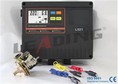
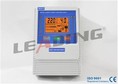

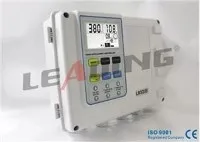
Installing a three - phase submersible pump control box is a task that requires careful planning and execution. As a supplier of Three Phase Submersible Pump Control Boxes, I have witnessed firsthand the importance of a proper installation to ensure the efficient and safe operation of the pump system. In this blog, I will guide you through the step - by - step process of installing a three - phase submersible pump control box.
1. Pre - installation Preparation
Before you start the installation process, it is crucial to gather all the necessary tools and materials. You will need a screwdriver set, wire strippers, electrical tape, a voltage tester, and of course, the three - phase submersible pump control box itself. Additionally, make sure you have a clear understanding of the electrical requirements of your pump. Check the pump's manual for the rated voltage, current, and power requirements. This information will help you select the appropriate control box and ensure that it can handle the load of the pump.
It is also important to choose a suitable location for the control box. The location should be dry, well - ventilated, and easily accessible for maintenance. Avoid installing the control box in areas prone to flooding or excessive moisture, as this can damage the electrical components.
2. Safety First
Safety is of utmost importance when working with electrical equipment. Before you begin any work, turn off the power supply to the area where you will be installing the control box. Use a voltage tester to confirm that there is no electrical current present. Wear appropriate personal protective equipment, such as insulated gloves and safety glasses, to protect yourself from electrical shocks and other hazards.
3. Mounting the Control Box
Once you have selected a suitable location, it's time to mount the control box. Most control boxes come with mounting holes on the back. Use the appropriate screws to attach the control box to the wall or a mounting bracket. Make sure the control box is level and securely fastened. This will prevent it from vibrating or moving during operation, which could cause damage to the internal components.
4. Wiring the Control Box
Wiring is one of the most critical steps in the installation process. Incorrect wiring can lead to malfunctions, damage to the pump, or even electrical fires. Start by carefully reading the wiring diagram provided with the control box. This diagram will show you how to connect the power supply, the pump, and any other components, such as sensors or switches.
First, connect the power supply wires to the control box. Usually, a three - phase power supply consists of three live wires (L1, L2, L3) and a neutral wire (N). Make sure to connect the wires to the correct terminals on the control box. Use wire strippers to remove the insulation from the ends of the wires and then tighten the terminal screws to ensure a good electrical connection.
Next, connect the pump wires to the control box. The pump will typically have three wires corresponding to the three phases of the power supply. Connect these wires to the appropriate output terminals on the control box. Again, refer to the wiring diagram to ensure correct connections.


If your control box has additional features, such as a manual/auto mode or a level sensor connection, make sure to connect these components as well. For example, our Three Phase Sewage Lifting Pump Controller with Manual & Auto Mode allows you to switch between manual and automatic operation, which can be very useful in different situations.
5. Grounding
Proper grounding is essential for the safety of the electrical system. Connect the grounding wire to the grounding terminal on the control box. The grounding wire should be connected to a reliable ground source, such as a grounding rod or a building's grounding system. This will help protect against electrical shocks in case of a fault in the system.
6. Testing the Installation
After completing the wiring, double - check all the connections to make sure they are secure and correct. Then, turn on the power supply and use a voltage tester to check for the presence of voltage at the control box terminals. If everything is working correctly, you should see the appropriate voltage readings.
Next, test the pump by manually operating the control box. Start the pump and observe its operation. Check for any abnormal noises, vibrations, or other signs of problems. If the pump does not start or behaves erratically, turn off the power immediately and re - check the wiring and connections.
If your control box is equipped with an automatic control feature, such as a level sensor, test this function as well. For example, our Sewage Water Pump Controller Inside Built Level Transmitter can automatically start and stop the pump based on the water level.
7. Troubleshooting
Even with careful installation, you may encounter some problems. Here are some common issues and their possible solutions:
- Pump does not start: Check the power supply, the wiring connections, and the fuse or circuit breaker. A blown fuse or tripped circuit breaker can prevent the pump from starting.
- Pump runs continuously: This could be due to a faulty level sensor or a problem with the control settings. Check the sensor for proper operation and adjust the control settings if necessary.
- Abnormal noises or vibrations: This may indicate a mechanical problem with the pump or an unbalanced load. Stop the pump immediately and inspect it for any visible damage.
8. Maintenance
Regular maintenance is key to ensuring the long - term performance of the three - phase submersible pump control box. Keep the control box clean and free from dust and debris. Check the wiring connections periodically to make sure they are tight. Inspect the components, such as relays and switches, for signs of wear or damage.
If you need to replace any components, make sure to use genuine parts that are compatible with your control box. For example, our 6 PCS Duplex GSM Based Pump Controller uses high - quality components that are designed for reliable operation.
Conclusion
Installing a three - phase submersible pump control box requires attention to detail and a good understanding of electrical systems. By following the steps outlined in this blog, you can ensure a safe and successful installation. Remember, if you are unsure about any part of the installation process, it is always a good idea to consult a professional electrician.
If you are in the market for a high - quality three - phase submersible pump control box, we are here to help. Our products are designed to meet the highest standards of quality and reliability. Whether you need a basic control box or one with advanced features, we have a solution for you. Contact us to discuss your specific requirements and start the procurement process.
References
- Electrical Installation Handbook, Schneider Electric
- Pump Installation and Maintenance Guide, Grundfos