


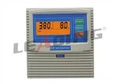
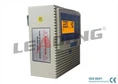


Hey there! As a supplier of single-phase pump control panels, I've had my fair share of experiences with integrating these panels into control systems. It can be a bit of a head-scratcher at first, but with the right know-how, it's totally doable. In this blog, I'm gonna walk you through the whole process, from understanding the basics to getting everything up and running smoothly.
First off, let's talk about what a single-phase pump control panel is. It's basically a box that houses all the components needed to control and protect a single-phase pump. These panels usually include things like switches, relays, fuses, and circuit breakers. They're designed to make it easy to turn the pump on and off, adjust its speed, and protect it from things like overloading and short circuits.
Now, why would you want to integrate a single-phase pump control panel with a control system? Well, there are a few reasons. For one, it allows you to automate the operation of the pump. You can set it to turn on and off at specific times, or based on certain conditions, like the water level in a tank. This can save you a lot of time and effort, especially if you have a large or complex pumping system.
Another reason is that it gives you more control over the pump. You can monitor its performance, adjust its settings, and troubleshoot any issues from a central location. This can help you optimize the pump's efficiency, reduce energy consumption, and extend its lifespan.
So, how do you go about integrating a single-phase pump control panel with a control system? Here are the steps:
Step 1: Choose the Right Control Panel
The first step is to choose a control panel that's compatible with your control system. There are a lot of different types of control panels out there, so it's important to do your research and find one that meets your specific needs.
When choosing a control panel, consider factors like the size and capacity of the pump, the type of control system you're using, and the features you need. For example, if you need to monitor the pump's performance, you'll want a control panel that has built-in sensors and monitoring capabilities.
Some of the control panels we offer at our company include the Easy Operation Single Phase Submersible Pump Control Panel CE Certification, the Single Phase Control Panel Intelligent Control and Protect Universal Pump, and the Durable AC220V Single Phase Pump Control Panel. These panels are all designed to be easy to use, reliable, and compatible with a wide range of control systems.
Step 2: Understand the Control System
Once you've chosen a control panel, the next step is to understand the control system you're using. This includes things like the type of control system (e.g., PLC, DCS, or SCADA), the communication protocols it uses, and the programming language it supports.
If you're not familiar with the control system, it's a good idea to consult with the manufacturer or a professional engineer. They can help you understand the system's capabilities and limitations, and provide you with the necessary documentation and support.


Step 3: Plan the Integration
Before you start installing the control panel, it's important to plan the integration carefully. This includes things like determining the location of the control panel, running the necessary wiring and cables, and configuring the control system.
When planning the integration, consider factors like the physical layout of the pumping system, the accessibility of the control panel, and the safety requirements. You'll also need to make sure that the control panel is properly grounded and protected from electrical interference.
Step 4: Install the Control Panel
Once you've planned the integration, it's time to install the control panel. This involves mounting the control panel in the desired location, connecting the wiring and cables, and testing the panel to make sure it's working properly.
When installing the control panel, make sure to follow the manufacturer's instructions carefully. This will help you avoid any installation errors or safety hazards. You'll also need to make sure that the control panel is properly calibrated and configured to work with the control system.
Step 5: Configure the Control System
After the control panel is installed, the next step is to configure the control system. This involves programming the control system to communicate with the control panel, and setting up the necessary control logic and parameters.
When configuring the control system, make sure to follow the manufacturer's instructions carefully. This will help you avoid any programming errors or compatibility issues. You'll also need to test the control system to make sure it's working properly.
Step 6: Test the System
Once the control panel and control system are installed and configured, it's time to test the system. This involves running the pump and monitoring its performance to make sure it's working properly.
When testing the system, make sure to check for any errors or malfunctions. You'll also need to make sure that the control system is responding correctly to the inputs and outputs of the control panel.
Step 7: Troubleshoot and Optimize
If you encounter any issues during the testing process, it's important to troubleshoot and optimize the system. This involves identifying the root cause of the problem, and taking the necessary steps to fix it.
When troubleshooting the system, make sure to use the diagnostic tools and resources provided by the manufacturer. This will help you quickly identify and resolve any issues. You'll also need to optimize the system to ensure that it's operating at peak efficiency.
Conclusion
Integrating a single-phase pump control panel with a control system can be a complex process, but it's definitely worth the effort. By following the steps outlined in this blog, you can ensure that your pumping system is automated, efficient, and reliable.
If you're interested in learning more about our single-phase pump control panels, or if you have any questions about integrating them with a control system, please don't hesitate to contact us for a purchase negotiation. We'd be happy to help you find the right solution for your needs.
References
- Manufacturer's documentation for single-phase pump control panels
- Control system user manuals and programming guides
- Industry standards and best practices for pump control systems