


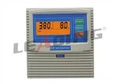
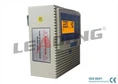


As a supplier of single-phase pump control panels, I understand the importance of optimizing their performance. A well-optimized control panel can enhance the efficiency, reliability, and lifespan of the pump system. In this blog post, I will share some practical tips and strategies on how to achieve this goal.
1. Select the Right Control Panel
The first step in optimizing the performance of a single-phase pump control panel is to choose the right one for your specific application. Consider the following factors:
- Pump Capacity: Ensure that the control panel can handle the power and current requirements of your pump. Check the panel's rated voltage, amperage, and horsepower compatibility.
- Functionality: Look for a control panel that offers the features you need, such as automatic start/stop, dry run protection, overload protection, and pressure control. For example, the Pump Shaft Anti Rust Single Phase Pump Controller with Present One Dry Contact Point provides anti-rust protection for the pump shaft and includes a dry contact point for additional control.
- Quality and Reliability: Invest in a high-quality control panel from a reputable manufacturer. A reliable panel will reduce the risk of breakdowns and ensure long-term performance.
2. Proper Installation
Proper installation is crucial for the optimal performance of a single-phase pump control panel. Follow these guidelines:
- Location: Install the control panel in a dry, well-ventilated area away from direct sunlight, moisture, and extreme temperatures. Ensure that there is enough space around the panel for easy access and maintenance.
- Wiring: Use the correct gauge of wire and follow the wiring diagram provided by the manufacturer. Make sure all connections are tight and secure to prevent loose connections, which can cause electrical problems.
- Grounding: Proper grounding is essential for safety and to prevent electrical interference. Connect the control panel to a reliable ground source according to local electrical codes.
3. Regular Maintenance
Regular maintenance is key to keeping your single-phase pump control panel in top condition. Here are some maintenance tasks to perform:
- Visual Inspection: Periodically inspect the control panel for any signs of damage, such as loose wires, burned components, or corrosion. Check for any abnormal noises or vibrations during operation.
- Cleaning: Keep the control panel clean and free of dust, dirt, and debris. Use a soft brush or compressed air to remove any accumulated particles.
- Testing: Test the control panel's functions regularly to ensure they are working properly. Check the automatic start/stop function, pressure switches, and protection features. For instance, the L921 Automatic Water Pump Controller Panel with One Button Calibration, Pump Stalled Protection allows for easy calibration and provides pump stalled protection.
- Component Replacement: Replace any worn or damaged components promptly. This includes fuses, relays, capacitors, and sensors.
4. Monitoring and Control
Monitoring the performance of your single-phase pump control panel can help you detect and address issues before they become major problems. Consider the following monitoring and control strategies:
- Pressure Monitoring: Install a pressure gauge to monitor the pump's output pressure. This will help you ensure that the pump is operating within the recommended pressure range.
- Flow Monitoring: Use a flow meter to measure the flow rate of the pump. This can help you detect any changes in flow, which may indicate a problem with the pump or the system.
- Remote Monitoring: Some control panels offer remote monitoring capabilities, allowing you to monitor the pump's performance from a distance. This can be particularly useful for large or remote pump systems.
- Automated Control: Implement automated control systems to optimize the pump's operation. For example, you can set up a timer to start and stop the pump at specific times or use a pressure sensor to automatically adjust the pump's speed based on the demand.
5. Upgrading and Modernizing
As technology advances, it may be beneficial to upgrade or modernize your single-phase pump control panel. Here are some reasons to consider upgrading:


- Energy Efficiency: Newer control panels often incorporate energy-saving features, such as variable frequency drives (VFDs), which can reduce energy consumption and lower operating costs.
- Enhanced Functionality: Upgrading to a more advanced control panel can provide additional features and functionality, such as remote access, advanced diagnostics, and integration with other systems.
- Improved Reliability: Modern control panels are designed to be more reliable and durable, reducing the risk of breakdowns and downtime.
For example, the Dry Run Protection Single Phase Pump Control Device S521 with Sensor Free offers sensor-free dry run protection, which is a more advanced and reliable way to protect the pump from damage.
6. Training and Education
Proper training and education are essential for the effective operation and maintenance of a single-phase pump control panel. Ensure that your staff is trained on the following:
- Control Panel Operation: Train your staff on how to operate the control panel correctly, including starting and stopping the pump, adjusting settings, and troubleshooting common problems.
- Safety Procedures: Provide training on safety procedures, such as how to handle electrical equipment safely and how to respond to emergencies.
- Maintenance and Troubleshooting: Teach your staff how to perform basic maintenance tasks and how to troubleshoot common problems with the control panel.
Conclusion
Optimizing the performance of a single-phase pump control panel requires careful selection, proper installation, regular maintenance, monitoring, and, if necessary, upgrading. By following these tips and strategies, you can ensure that your pump system operates efficiently, reliably, and safely.
If you are interested in learning more about our single-phase pump control panels or have any questions about optimizing their performance, please feel free to contact us for a consultation. We are here to help you find the best solution for your specific needs.
References
- ASHRAE Handbook - HVAC Systems and Equipment. American Society of Heating, Refrigerating and Air-Conditioning Engineers.
- National Electrical Code (NEC). National Fire Protection Association.
- Pump Handbook, 4th Edition. Karassik, I. J., Messina, J. P., Cooper, P. & Heald, C. C. (Eds.). McGraw-Hill.