


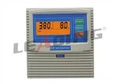
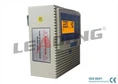


Hey there! As a supplier of Intelligent Digital Duplex Sewage Pump Control, I've been in the game for quite a while. And let me tell you, fault diagnosis for these systems is super important. It can save you a ton of time, money, and headaches down the road. So, in this blog, I'm gonna share some of the key fault diagnosis methods that I've found really useful.


Visual Inspection
First off, one of the simplest yet most effective methods is visual inspection. You'd be surprised how many issues you can spot just by taking a good look at the pump control system. Check for any obvious signs of damage, like frayed wires, loose connections, or leaks. For example, if you see water pooling around the pump, it could be a sign of a leak in the pipes or a faulty seal.
Another thing to look for is corrosion. Over time, metal components can start to rust, especially in a sewage environment. Corroded parts can affect the performance of the pump and lead to more serious problems if not addressed. So, make sure to inspect all the metal parts, including the pump housing, connectors, and brackets.
Monitoring System Parameters
Next up, monitoring system parameters is crucial. Most Intelligent Digital Duplex Sewage Pump Control systems come with built - in sensors that can measure things like pressure, flow rate, and temperature. By regularly checking these parameters, you can detect any abnormal readings that might indicate a fault.
For instance, if the pressure is too low, it could mean there's a blockage in the pipes or the pump isn't working properly. On the other hand, if the temperature is too high, it might be a sign of overloading or a problem with the motor. You can use the control panel of the system to access these readings and set up alerts if the values go outside of the normal range.
Electrical Testing
Electrical testing is also a vital part of fault diagnosis. You need to check the electrical connections, voltage, and current to make sure everything is working as it should. A multimeter is a handy tool for this. You can use it to measure the voltage across different components, such as the motor and the control relays.
If you find that the voltage is too low or too high, it could be a sign of a problem with the power supply or a faulty electrical component. You should also check for any short circuits or open circuits. A short circuit can cause the system to malfunction or even damage the pump, while an open circuit means there's a break in the electrical path.
Software Analysis
In today's digital age, software analysis plays a big role in fault diagnosis. Many Intelligent Digital Duplex Sewage Pump Control systems have advanced software that can log data and provide diagnostic information. You can use this software to analyze the system's performance over time and identify any patterns or trends.
For example, if the software shows that the pump is starting and stopping more frequently than normal, it could be a sign of a problem with the float switch or the control algorithm. You can also use the software to run self - diagnostic tests, which can help you pinpoint the exact location of the fault.
Comparing with Baseline Data
It's a good idea to establish baseline data for your pump control system when it's new and working properly. This data includes normal values for all the system parameters, such as pressure, flow rate, and power consumption. By comparing the current readings with the baseline data, you can easily spot any deviations.
If you notice a significant difference in a particular parameter, it's a red flag that something might be wrong. For example, if the power consumption has increased by 20% compared to the baseline, it could indicate a problem with the motor or an inefficiency in the system.
Listening for Unusual Noises
Don't underestimate the power of your ears! Unusual noises coming from the pump can be a clear sign of a fault. For example, a grinding noise could mean there's something stuck in the pump impeller, while a rattling noise might indicate loose parts.
If you hear any strange noises, stop the pump immediately and investigate. Continuing to run the pump with a problem can cause more damage and make the repair more expensive.
Using Diagnostic Tools
There are also some specialized diagnostic tools available that can help you with fault diagnosis. For example, a vibration analyzer can be used to detect any abnormal vibrations in the pump. Excessive vibrations can be a sign of misalignment, imbalance, or bearing problems.
Another useful tool is an infrared camera. It can be used to detect hot spots in the electrical components, which can indicate overheating and potential faults.
Now, if you're in the market for a reliable Intelligent Digital Duplex Sewage Pump Control system, we've got some great options for you. Check out our Construction Site Duplex Pump Controller for Drainage, Sewage Pump Controller with Three Phase Control Panel, and Duplex Pump Controller for Waste Water Tank Sewage Sink.
If you're interested in learning more about our products or have any questions regarding fault diagnosis or purchasing, feel free to reach out. We're here to help you find the best solution for your sewage pumping needs.
References
- "Sewage Pump Systems: Design, Installation, and Maintenance" - A comprehensive guide on sewage pump systems.
- "Electrical Troubleshooting for Industrial Equipment" - Useful for understanding electrical fault diagnosis in pump control systems.
- Manufacturer's manuals for Intelligent Digital Duplex Sewage Pump Control systems.